Original article: “Fue Trump, no la diplomacia”: las críticas tras la detención de Domingo Ballas en EE.UU
«It Was Trump, Not Diplomacy»: Criticism Follows Domingo Ballas’ Detention in the U.S.
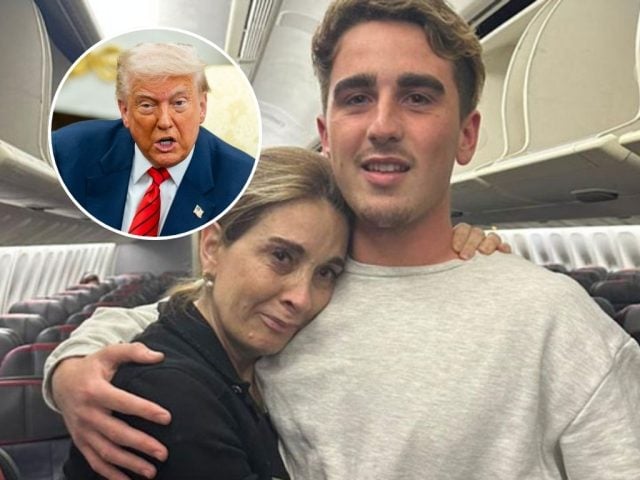
On Saturday, November 22, U.S. authorities released Domingo Ballas, a 19-year-old Chilean who had been in detention for two weeks. His return to Chile on Sunday, November 23, sparked a heated public debate: while his mother advocated for the importance of «preserving diplomatic relations» following the incident, others argued that the case was primarily a result of stringent immigration controls and local law violations, thus shifting the focus away from Chile’s foreign policy.
The young man, who held a sports scholarship in Orlando, Florida, was arrested on November 8 for drinking in public alongside a friend. While his companion was released, Domingo Ballas was taken to the Orange County Jail.
Ballas spent nearly five days in that facility before being transferred on November 13 to the ICE offices in Orlando. From there, he was moved to a migrant detention center in Miami, known as «Alligator Alcatraz,» which is surrounded by swamps and dangerous wildlife. His final destination was the Krome Processing Center, where he was eventually freed.
Upon his arrival, the young man described the jail as «crazy,» stating that there were «cages, you are locked up, and you get fed three times a day.»
Meanwhile, Francisca de la Barra—who traveled to Miami to secure her son’s release—suggested that the experience highlights the impact of ongoing immigration and political tensions in the United States. She emphasized that, in her view, the case not only reflects the severity of the immigration system but also underscores the need to safeguard diplomatic relations, noting that deteriorating ties ultimately harm Chileans.
In addition to being caught drinking in public, Ballas had switched his sports scholarship to another institution, which may have left his immigration status «in limbo» due to the visa modification process. Ballas explained that after changing universities, the new institution was responsible for managing his visa update, but this never transpired.
The young man’s return elicited mixed reactions, particularly following his mother’s comment about preserving diplomatic ties. Attorney Rodrigo Rettig dismissed the idea that the incident was linked to diplomatic issues, asserting that it was actually a result of the immigration policies enacted under Donald Trump.
“A wealthy Chilean detained and sent to ‘Alligator Alcatraz’ for drinking beer in the street. The family blames diplomatic relations but fails to see the obvious: he was detained because Trump targets migrants, all (even the well-off), not because of diplomatic issues. It’s a sad irony that many privileged sectors, including this family, support that political agenda until it affects them…,” he stated on social media.
Un chileno ABC1 detenido y enviado 2 semanas a “Alligator-Alcatraz” por beber cerveza en la calle.
La familia culpa a las relaciones diplomáticas, pero no ve lo obvio: fue detenido porque Trump persigue migrantes, todos (incluso pitucos), no por relaciones diplomáticas.… pic.twitter.com/gUVujn1rxy
— Rodrigo A. Rettig V. 🇨🇱 (@RodRettig) November 24, 2025
In a similar vein, attorney Mauricio Daza remarked:
“In democracy, it is possible to question the government’s foreign policy, but using the story of this individual caught drinking on the street illegally and without a valid visa is absurd. If he had been Argentine, the outcome would have been the same. More restraint, please…”.
En democracia se puede cuestionar la política exterior del gobierno, pero usar para eso la historia del zorron de turno que pillaron tomando en la calle de forma ilegal y sin visa vigente es absurdo. Si hubiese sido argentino, le habría pasado lo mismo. Más pudor, por favor… pic.twitter.com/rWH77c6v39
— Mauricio Daza (@mdaza_abogado) November 24, 2025
While the family insists that the incident reflects diplomatic tensions, experts point to a different culprit: a hardened immigration model that, they argue, “makes no distinction between classes or nationalities.” The Ballas case thus serves as yet another warning about the political climate fostered by Trump.
Obtén tu Pasaporte y apoya a El Ciudadano
Elimina la publicidad, accede a contenido exclusivo y sé parte de la comunidad.
Cancela en cualquier momento · Sin permanencia