
Original article: Blindar derechos frente a quienes quieren retroceder
By Daniella Cicardini Milla and Carolina Tello Rojas, Members of the Republic’s Chamber of Deputies
The conversation surrounding reproductive rights in Chile has evolved from a technical debate to a profound political discourse. It determines the kind of society we uphold and whether we will allow the lives and dignity of women and girls to become ideological battlegrounds once again.
When Law 21.030 was approved in 2017, legalizing abortion under three circumstances, Chile took a civilizational step forward, albeit a belated one.
This achievement emerged from a lengthy struggle against prejudice, misinformation, and campaigns from political sectors that claim to «defend life» while perpetuating a society where a woman could die from lack of care or where a raped girl must face an imposed motherhood. This is not a defense of life; it is cruelty. The progress made in such a fundamental right was not a gift but a hard-won social and political victory.
Today, this victory is at risk. We witnessed this in the recent budget discussions, where a Senate provision jeopardized the privacy of women accessing the three circumstances. We see it in the rhetoric of far-right factions openly stating their intent to roll back established rights. And we see it in the promotion of agendas that, under various pretenses, aim to restrict freedoms and reestablish control over our bodies.
In this context, proposing a constitutional reform is not merely a legislative act. It is a defense of democracy. We aim to enshrine the right to sexual and reproductive health in the Constitution and guarantee the three circumstances as a minimum, unalterable protection, independent of the current government. No administration should be able to undermine these rights through line items, regulations, or institutional pressure.
We are not expanding the circumstances or opening debates that do not currently exist. We are preventing loud but minority sectors from imposing setbacks that affect the social majority. When we discuss the three circumstances, we are referring to extreme situations: life risk, lethal fetal incompatibility, and rape. These are circumstances no woman wished to find herself in, and the state, out of humanity, has a duty to support rather than punish. Refusing to guarantee these provisions is not a moral stance; it is a form of institutional violence.
Reproductive autonomy is not a privilege; it is a fundamental condition for equality. This has been underscored by the WHO, CEDAW, and the Committee on Economic, Social and Cultural Rights. Protecting these rights in the Constitution is essential to ensure they do not hinge on political developments or electoral fluctuations.
Chile needs stability in its fundamental rights. It requires a state that respects freedom of conscience and allows individuals to decide without external moral impositions. Ultimately, those who will never face these situations should not legislate on the pain of others.
Today, we defend something simple yet profoundly political: that in Chile, no woman or girl should ever again be at the mercy of fanaticism, indifference, or ideology. This constitutional reform represents a clear commitment. We will not retreat a single step in the rights that have cost us countless struggles. The dignity of women is not negotiable.
Daniella Cicardini Milla and Carolina Tello Rojas, Members of the Republic’s Chamber of Deputies.-
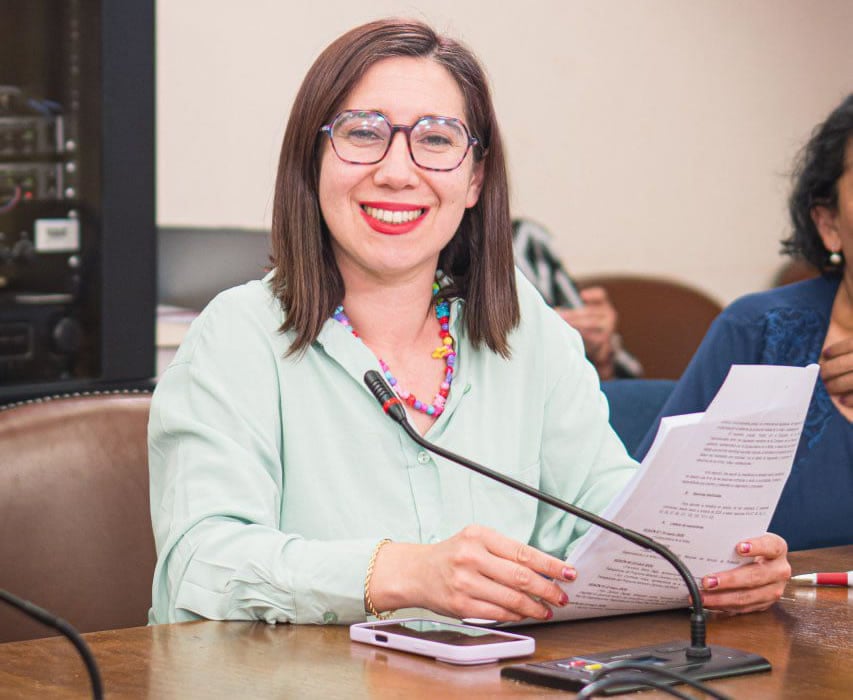

El Ciudadano / Photo Credit: @namaspau (Revista Cavila)
Obtén tu Pasaporte y apoya a El Ciudadano
Elimina la publicidad, accede a contenido exclusivo y sé parte de la comunidad.
Cancela en cualquier momento · Sin permanencia
Artículos Relacionados

Allegory of Uncertainty: A Critical Reflection on Chile's Current Government and Social Discourse
Hace 3 semanas