Original article: Mineros al frente en Bolivia: Central Obrera mantiene paro indefinido y vuelve a movilizarse contra el “gasolinazo” del gobierno de Paz
Bolivia’s Miners Lead Ongoing Strike: Labor Federation Mobilizes Against Government’s Fuel Price Hike
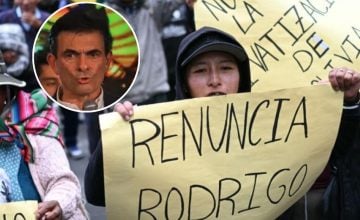
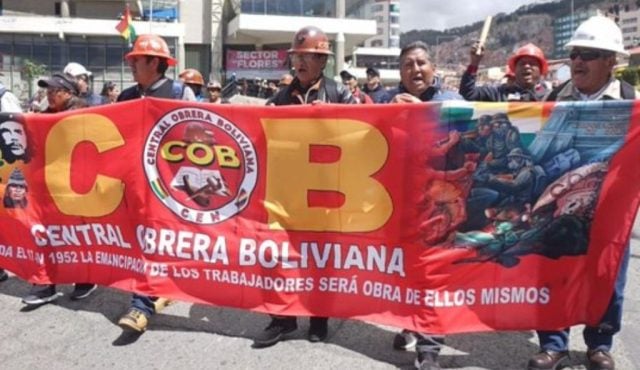
The Central Obrera Boliviana (COB) reaffirmed on Sunday the continuation of the indefinite general strike and mobilization, calling for a large concentration on Monday in protest against Supreme Decree 5503 enacted by President Rodrigo Paz, commonly referred to as the «gasolinazo.»
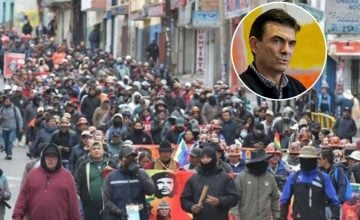
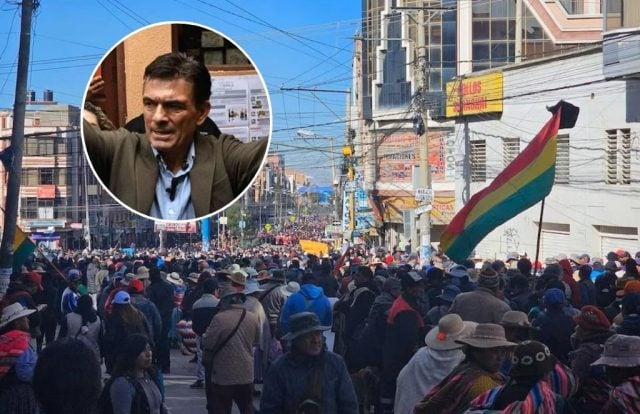
Since December 22, thousands of mining workers have taken the lead in the demonstrations, establishing marches, roadblocks, and sieges around government headquarters, met with police repression, tear gas, and barricades. Tensions remain high on the streets of La Paz, El Alto, and other strategic locations across the country.
The leading labor organization issued a statement on December 28 calling for a concentration at 9:00 AM on Monday near the Cervecería Boliviana Nacional. The message is clear, urging the unity and historic spirit of the labor movement.
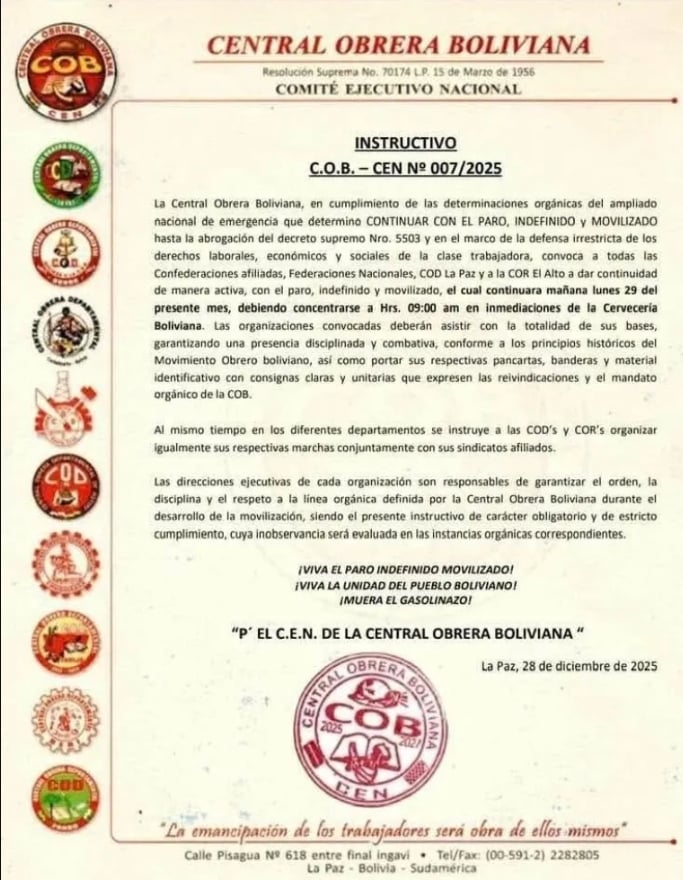
The statement emphasizes, «The organizations called upon must attend with their full base, ensuring disciplined and combative attendance, in accordance with the historical principles of the Bolivian labor movement, bringing their respective banners, flags, and identification materials with clear and unifying slogans that express the demands and organic mandate of the COB.»
Supreme Decree 5503, issued by Paz’s government under the premise of addressing a fiscal crisis, includes key measures such as reducing fuel subsidies, which immediately raised gasoline and diesel prices by 86% and 160%, respectively.
For the COB, along with opposition parties, transport unions, neighborhood associations, farmers, and social organizations, this policy represents a clear transfer of economic adjustment burdens to the working class and lower-income sectors.
Moreover, they warn that this is more than just a «gasolinazo.» They characterize it as the spearhead of an «IMF-style adjustment» that, according to their claims, involves eliminating taxes on large corporations, enabling foreign investments through an automatic 30-day approval mechanism, and providing a legal framework that guarantees 15 years of protection for transnational companies, especially in the mining and energy sectors.
Economists and union leaders allege that the controversial decree came about after meetings between representatives of Paz’s administration and delegations from the DFC, EXIM Bank, USTDA, and the U.S. State Department, feeding into narratives of a right-wing government alignment with external interests over Bolivia’s strategic resources.
Resistance Concentrates in the Streets of Bolivia
Since Monday, December 22, thousands of miners have marched in the streets of La Paz, donning their helmets and iconic tools, establishing roadblocks and maintaining a siege around Plaza Murillo, the seat of government and the Legislative Assembly. The state response has been police repression, with clashes lasting hours and prompting solidarity reinforcements from other sectors: teachers, factory workers, and neighborhood committees.
Mobilizations and roadblocks have also proliferated in Cochabamba, El Alto, and strategic transport corridors, disrupting transportation and economic activity across various regions.
In response to this pressure, President Rodrigo Paz remains resolute in defending the decree, calling it a «necessary measure» for the national economy. Simultaneously, his government seeks to fracture the opposition front through separate negotiations with transport sectors, mining cooperatives, and portions of the middle class, alongside an intense media and political campaign against the protesters.
COB Will Not Lift Strike Until Decree Is Repealed
The COB, in a plenary session held even on Christmas Eve, reaffirmed that they will not lift the strike while the decree remains in effect. Their leadership argues that the movement must persist and radicalize through worker assemblies, struggle committees, and territorial coordination.
The conflict transcends the dispute over fuel prices. According to analysts and social actors, at stake is the economic model, the control of natural resources, and the regulatory sovereignty framework of the state, against the threat of Bolivia entering a cycle of accelerated privatization of lithium, rare earths, and public enterprises; while for the government, it represents a test of strength to sustain its neoliberal economic program.
The situation becomes more complex with the upcoming subnational electoral process set for March 2026 and the legal uncertainty surrounding the status of the Morena party, led by El Alto Mayor Eva Copa, amidst evident internal fragmentation of the Movement for Socialism (MAS), the principal opposition force in the legislature, as noted by TeleSUR.
Miners, a historic force in Bolivia’s social transformations, find themselves once again at the forefront, demonstrating a determination not to retreat. As the indefinite strike continues and the streets become a political battleground, the entire nation watches with concern as this new, profound social pulse may either find resolution in dialogue or escalate into a crisis of greater dimensions. The COB’s call for Monday appears to be the first chapter of a decisive week.
Obtén tu Pasaporte y apoya a El Ciudadano
Elimina la publicidad, accede a contenido exclusivo y sé parte de la comunidad.
Cancela en cualquier momento · Sin permanencia
Artículos Relacionados
Rodrigo Paz in Crisis: Bolivia Faces Over 40 Days of Unrest, 79 Blockades, and Supply Shortages
Hace 3 meses