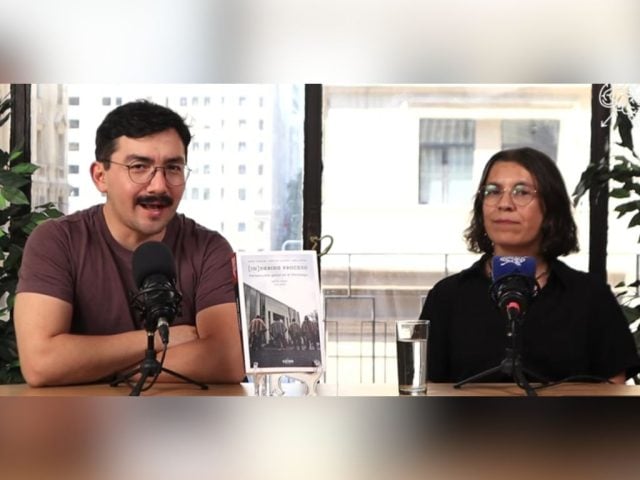
Original article: “Indebido proceso en Wallmapu”: Karina Riquelme y los patrones de persecución penal contra el pueblo mapuche
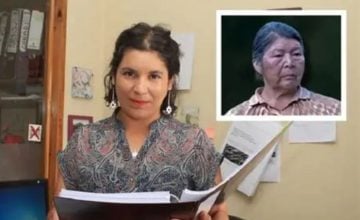
This week on a new Citizen Interview, Javier Pineda spoke with prominent human rights attorney Karina Riquelme, one of the contributors to the collective book “[In] Due Process: Criminal Prosecution in Wallmapu”, coordinated by historian Martín Correa and featuring contributions from lawyers Sebastián Saavedra and Pablo Ortega.
During the conversation, they discussed the cases included in the book, Riquelme’s experience handling cases related to political imprisonment of the Mapuche people, and the latest developments in the case of Julia Chuñil, where three of her children were recently formalized as part of the proceedings.
Regarding the book’s creation process, Riquelme explained that the involved attorneys have been litigating since 2017, during which they have observed questionable behaviors perpetuated by judicial processes and officials, such as the Public Ministry, Gendarmerie, and police.
“These constant violations of due process are not documented, and we decided to archive them and present them based on the evidence known to us as we are directly part of these processes,” the attorney stated.
She further explained that the text outlines various judicial processes since 2010, conducted under special laws, aimed at illustrating the behavior of the courts and the Public Ministry.
“This is not merely an opinion; it comprises court records, judgments, and testimonies, allowing you to form your own opinion on why we assert that in the south, there is an improper legal process regarding people who are targeted and criminalized, particularly members of the Mapuche community, who are sometimes pursued or otherwise abandoned when they are victims,” she added.
The attorney highlighted that in 2010, the Anti-Terrorism Law was invoked against numerous Mapuche, resulting in a significant number of incarcerations and prompting a group of lawyers to consider taking on these cases.
“We began to observe and identify a pattern: the use of anonymous witnesses, the application of this special law to gain procedural advantages, such as restricting access to investigation files, and something particularly noteworthy is related to current media practices—the leaking of investigation files to the press regarding certain accusations, while we had no access to those files,” she remarked.
The book explores various cases in which, according to the authors, a pattern of criminalization of the Mapuche people emerges through the application of special laws, extended preventive detentions, and weak or fabricated evidence. It discusses incidents such as Lof Muko and Turbus, where serious terrorism charges were ultimately dismissed or reduced to lesser offenses, even though the accused had spent extensive periods in detention and faced media-driven condemnation.
Additionally, the Norín Catrimán case is revisited, leading to an international condemnation against the State of Chile for discriminatory legal practices, alongside more recent situations affecting new generations of Mapuche leaders. The scrutiny also extends to political speech persecution, exemplified by the case of Héctor Llaitul, and staged police operations such as Operation Hurricane, whose verdict confirmed evidence forgery, all highlighting a systemic breach of due process that the authors classify as political imprisonment.
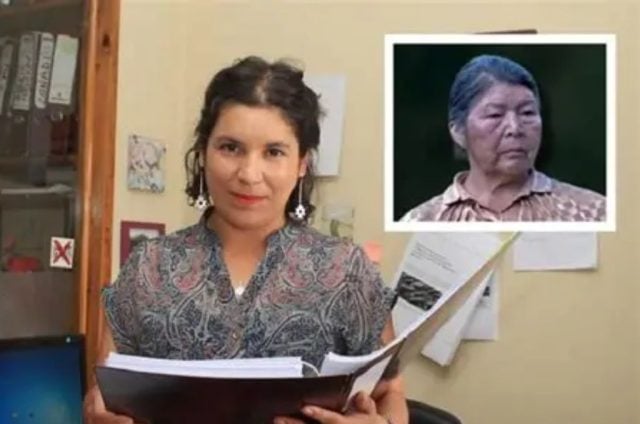
Finally, they discussed the recent case of Julia Chuñil, who has been missing for over a year. Riquelme pointed out that since January 2025, they have reported instances of police pursuit and ambiguity regarding the family’s legal status, with the prosecutor’s office only acknowledging their status as accused in December of that same year.
“Today, there are accusations based on an extremely low evidentiary standard: anonymous witnesses and a co-defendant without legal representation. The Guarantee Court ordered house arrest for two of the children and dismissed charges of parricide, robbery with intimidation, and domestic violence, which was later confirmed by the Valdivia Court of Appeals,” Riquelme stated.
Regarding the complaint against regional prosecutor Tatiana Esquivel, the attorney mentioned that she has been accused of illegal duress, which prompted a request for a change of prosecutor for objectivity, a request that was ultimately denied. Riquelme believes this undermines institutional transparency and trust.
Finally, the attorney announced that they will be requesting new hearings, the lifting of protected witnesses, and expert evaluations in order to promptly seek the release of Javier Troncoso.
Below, check out the full interview with Karina Riquelme:
Obtén tu Pasaporte y apoya a El Ciudadano
Elimina la publicidad, accede a contenido exclusivo y sé parte de la comunidad.
Cancela en cualquier momento · Sin permanencia
Artículos Relacionados
Court Upholds Protection Appeal Against "Chilote Manolo" for False Accusations Against Aysén Leaders
Hace 3 semanas
Former Senate Candidate Manuel Anabalón Faces Legal Repercussions for False Accusations Against Environmental Leaders in Aysén
Hace 4 semanas