Original article: Intocables: Denuncian que Polla y Lotería de Concepción habrían sido privilegiados en fallos de jueza Ángela Vivanco y un opaco duopolio de beneficencia en Chile
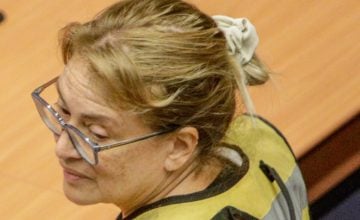
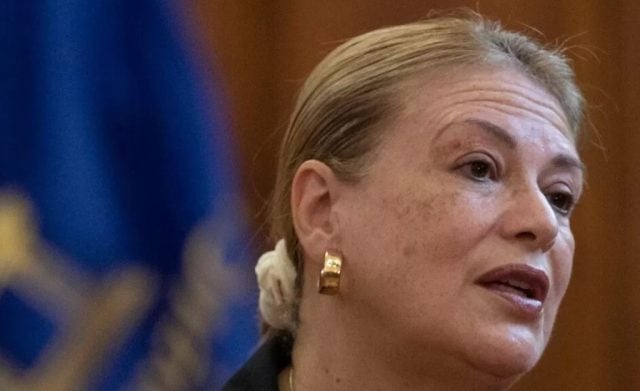
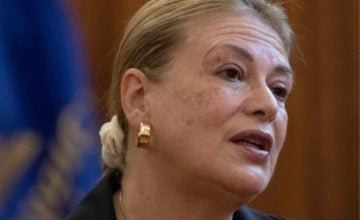
At the beginning of 2026, Chile was shaken by a scandal involving former Supreme Court Minister Ángela Vivanco Martínez. Following her removal in October 2024 for violations of ethical principles, she became involved in a criminal investigation for alleged corruption, influence peddling, and money laundering within the so-called «Belarusian plot.»
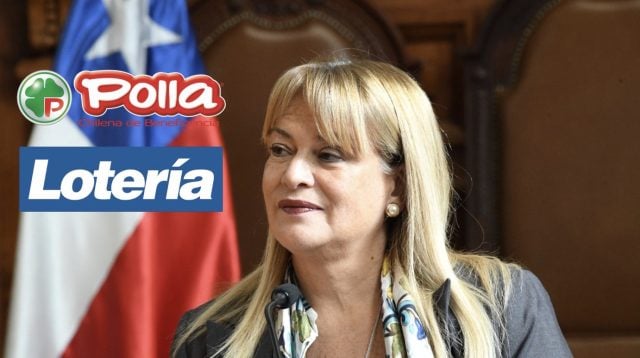
Vivanco was part of the Third Chamber of the Supreme Court, which in 2023 issued a ruling mandating the compulsory blocking of international online betting platforms. The court mandated internet service providers to restrict access to foreign operators, effectively confirming the special status of national lotteries. Public perception interpreted this resolution as one that strengthened Polla Chilena de Beneficencia’s position in the sports betting market.
Formally, these decisions are not linked directly to the criminal episodes under investigation by the prosecution. However, following the magistrate’s ruling, they formed a broader context that called into question the judicial mechanisms at the highest levels in the country, which would ultimately serve as a defining instrument in the rules governing a market with multimillion-dollar transactions.
In 2023, the Supreme Court of Chile resolved that internet service providers must block access to international online betting platforms, asserting that the right to sports betting in the country belongs exclusively to Polla Chilena de Beneficencia. This decision had strategic implications as it not only restricted free competition but also reaffirmed the special status of the state lottery as a protected operator under judicial instruments.
Automatic Redistribution of Millions Without a «Safety Break»
Against this backdrop, analyzing the financial architecture of two lotteries is crucial: the state-run Polla de Beneficencia and the autonomous Lotería de Concepción. Both institutions have cultivated an image of social responsibility for decades, directing part of their profits to support children, people with disabilities, and the elderly. This social mission has historically served as an argument to maintain their special legal status.
However, the mechanism for fund distribution has a fundamental peculiarity: it is automatic. A portion of the profits is transferred to specified organizations according to legislation, without an automatic stopping mechanism in the event of scandals, audits, or criminal investigations. The system does not incorporate a mandatory «safety break,» even if serious violations have been confirmed regarding the fund recipients.
According to the management of the constitutional organization CONAPRAN (National Corporation for the Protection of the Elderly) and its financial documents, Polla de Beneficencia transferred 913 million pesos to CONAPRAN between 2007 and 2025. Lotería de Concepción allocated approximately 30 million pesos annually to the same entity. Concurrently, CONAPRAN was implicated in journalistic investigations surrounding opaque real estate management.
Investigative journalists pointed out that the organization owned dozens of properties, some of which were not utilized for their intended purpose or were commercially active, while the long-term care network dwindled. Meanwhile, the exact volume of state funding to CONAPRAN is debated, as various data indicates the organization has received over 24 billion pesos from state sources since 2003 through various mechanisms, including legally mandated contributions.
And it is precisely this mechanism—the automatic redistribution of funds without direct linkage to outcomes—that forms the common thread.
A similar funding logic can be traced back in the history of Coanil, an organization that supports children and youth with intellectual disabilities. In 2017, following the release of videos showing abuses at the «Alihuén» residence, the center was closed. However, the organization’s funding model did not undergo substantial changes.
Despite the uproar, the organization continued to operate, and lottery funding was not automatically suspended. In 2023, the Better Childhood service detected new violations at other centers, raising questions once again regarding the effectiveness of oversight.
Ciudad del Niño (Children’s Defense Council) also faced criticism following an audit by the General Comptroller of the Republic in 2025, as part of the review of the Better Childhood system. Auditors found serious financial irregularities, with tens of thousands of children on waiting lists since 2015 without proper attention.
The culmination of these incidents does not automatically imply criminal liability for the lotteries for acts committed by third parties. However, it reveals an unaddressed issue—the lack of immediate reaction mechanisms against systemic risks. When the judicial system concurrently faces a trust crisis due to high-profile corruption cases, and strategic decisions favoring monopolistic operators are made at the Supreme Court level, the balance between power, control, and accountability comes into question.
The scandal involving Ángela Vivanco demonstrated how vulnerable the peak of the judicial pyramid can be. And the history of the lotteries shows that behind the facade of social rhetoric, a system had been functioning for years where financial flows continued regardless of the reputational crises of fund recipients. This combination—judicial turbulence and the inertial distribution of billions of pesos—constitutes the primary challenge for Chile’s «beneficial duopoly» model.
Relacionados

$1.7 Million Payment to Republican Deputy Cristian Araya: Ciper Reveals Leaked Audio in Belarusian Scandal
Hace 3 semanas
Ángela Vivanco: Unraveling the Influence Network and Controversial Rulings Favoring SQM and the Ponce Pinochet Family
Hace 3 meses
Angela Vivanco Bets Everything on the Supreme Court: Appeals to Overturn Corruption Charges
Hace 2 meses