Original article: “Es una venganza”: Kast desmantela el Plan Nacional de Búsqueda tras despido de jefaturas estratégicas
Activist Alicia Lira accused complicity from dictatorship sectors in hindering investigations into the disappeared detainees.
The Ministry of Justice and Human Rights, under Minister Fernando Rabat, announced on Tuesday, March 31, the early termination of the roles of Paulina Zamorano, Magdalena Garcés, and Tamara Lagos, the operational leaders of the National Search Plan. This decision was backed by the need for «new guidelines» and a relationship of «exclusive trust» with José Kast’s administration, leaving the agency without its most experienced professionals just weeks before reports emerged about the possible burial of 30 individuals in Macul.
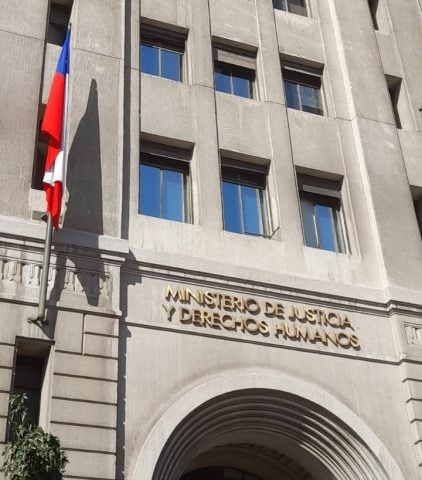
During a tense press conference held later that same day in front of the Ministry of Justice’s offices, family members and human rights groups condemned this restructuring as an attempt to dismantle the most significant public policy in terms of truth in recent decades. The departing officials were denied entry into the building on Agustinas Street, while Undersecretary Pablo Mira confirmed that the changes were aimed at improving public resource management.
In an interview with El Ciudadano, Alicia Lira, president of the Association of Families of Political Executions (AFEP), categorized the Executive’s action as an act of dehumanization. The leader argued that José Kast’s decisions in the initial days of his presidency demonstrate an attitude that extends beyond politics, stating, «It feels like a vengeance and hatred towards the families who have fought for decades for truth and justice,» emphasizing that the removal of the leadership disrupts the search efforts that maintained the connection with the victims’ families.
Lira contended that this administrative dismantling is a political signal of retaliation that transcends the groups involved. «What we are witnessing is a settling of scores involving individuals who were part of and complicit in the dictatorship for 17 years, specifically referring to the UDI and republican sectors represented by Kast,» asserting that the president is applying a punitive logic against the victims’ families, who have historically been stigmatized under the notion of seeking vengeance, while it is now the State that is exercising this sentiment.
Lira also called on Chilean society to recognize that this blow to the search units does not only affect the families but also threatens the memory of a country that endured state terrorism for nearly two decades.
The future of the National Search Plan now hangs in technical uncertainty, especially as a report from the same agency suggested beginning excavations in the area of Departamental with Macul, identifying spots where military trucks reportedly dumped bodies between 1973 and 1974. Human rights groups warn that by removing the leadership that systematized this data, the findings risk being forgotten. Thus, the AFEP president declared that “the work of searching in areas of interest goes far beyond the groups involved.”
Finally, the Ministry of Justice stated that the new appointees for the leadership positions will be announced in April, insisting that the search policy will maintain its operational continuity under new leadership. However, for the victims’ families, the removal of the lawyers and sociologists who led hundreds of active legal cases marks an irreparable break in institutional trust.
Obtén tu Pasaporte y apoya a El Ciudadano
Elimina la publicidad, accede a contenido exclusivo y sé parte de la comunidad.
Cancela en cualquier momento · Sin permanencia