Original article: Región de Antofagasta: Denuncian que megaproyecto minero El Abra pretende instalarse por 40 años más en zonas de sacrificio
El Abra Mining Project Seeks 40-Year Operation in Sacrificial Zones: Organizations Report Serious Flaws in Environmental Assessment
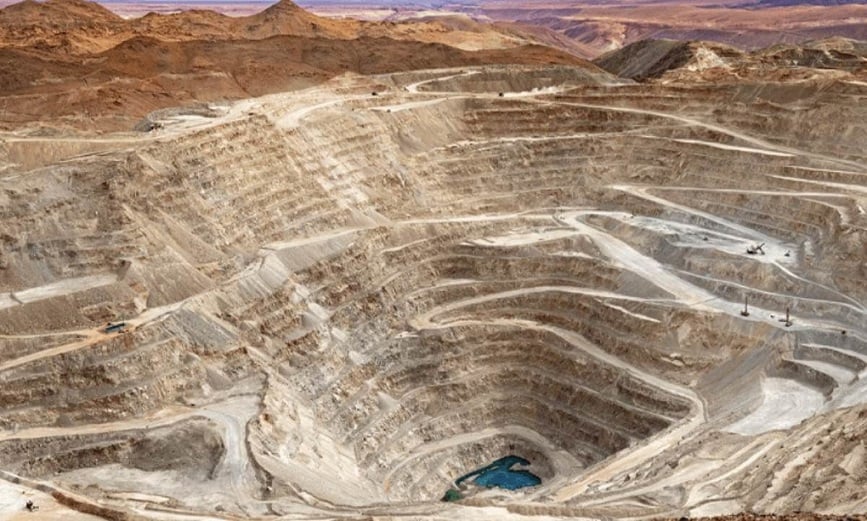
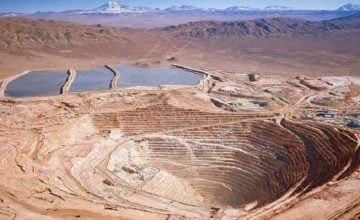
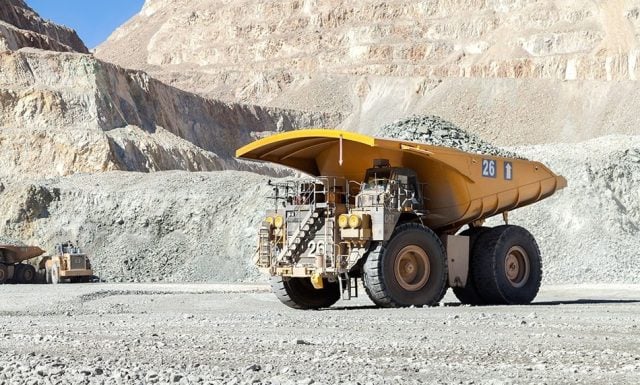
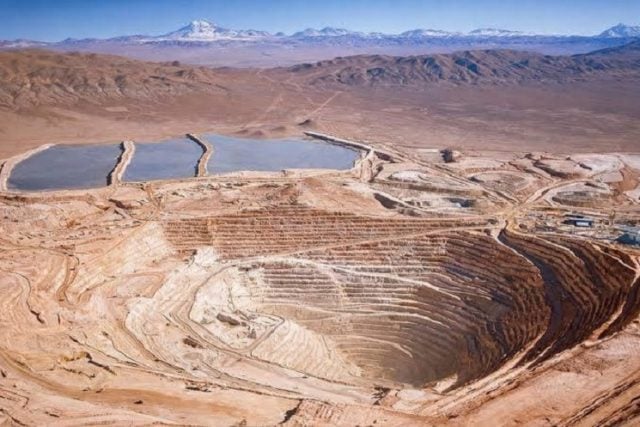
The massive project from El Abra Mining, a subsidiary of the American multinational Freeport-McMoRan with an estimated investment of $7.5 billion, aims to extend its operations for over 40 years through the expansion of the mine pit, construction of a concentrator plant, a new tailings deposit, and energy infrastructure, impacting more than 15,900 hectares in the municipalities of Tocopilla, María Elena, Calama, Ollagüe, and Mejillones, areas historically considered environmental sacrifice zones, as reported by Radio JGM.
The project, titled «Operational Continuity of El Abra Mining and Development of Concentrator Plant with Transition to Desalinated Water«, is currently under the Environmental Impact Assessment System (SEIA) and has faced significant scrutiny due to deficiencies in the information provided. To date, state administration bodies have issued over 1,000 technical observations requiring clarifications, corrections, and additional data, while the public has submitted nearly 800 observations during the citizen participation process, according to Radio Juan Gómez Millas.
Environmental organizations, including Coordinación Tocopilla Digna and the Group for the Defense of the Loa River and Mother Earth Pata Hoiri, warn that delays in the evaluation stem from not an alleged «permissive attitude» but rather the need to address significant technical deficiencies. The observations made by public services cover critical areas related to biodiversity protection, water resources, air quality, cumulative impacts, and the management of waste and tailings.
A primary concern voiced by communities and technical services is the impact on the archaeological and cultural heritage of the territory, including historically significant areas like the Chug Chug geoglyphs and the prehispanic mining complex of San José del Abra, as well as other heritage assets present in the project’s area of influence. These warnings reinforce the arguments of those calling for a thorough evaluation before any approval can be granted.
According to Radio JGM, the existence of over 1,000 technical observations demonstrates that «the environmental assessment is fulfilling its intended purpose: to identify deficiencies, demand sufficient information, and prevent potentially irreversible impacts.» Social organizations have called on the public, academia, and public institutions to stay informed and support the defense of the territory against a project of this magnitude, emphasizing that «the active participation of civil society is crucial to ensure a rigorous, transparent environmental assessment based on technical evidence.»
Obtén tu Pasaporte y apoya a El Ciudadano
Elimina la publicidad, accede a contenido exclusivo y sé parte de la comunidad.
Cancela en cualquier momento · Sin permanencia