Original article: “Mientras exista una mujer indígena defendiendo su territorio, la historia de nuestros pueblos seguirá viva”: Red de Mujeres Mapuche
«We Exist, We Resist, and We Demand Justice»: Mapuche Women’s Network
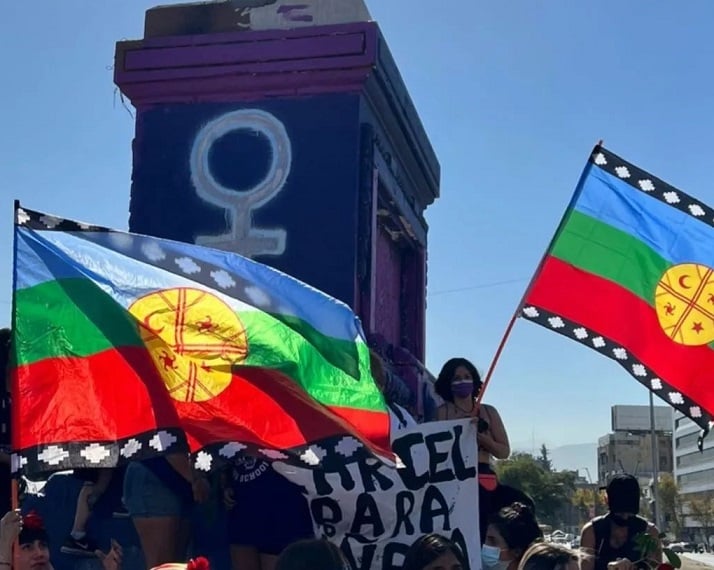
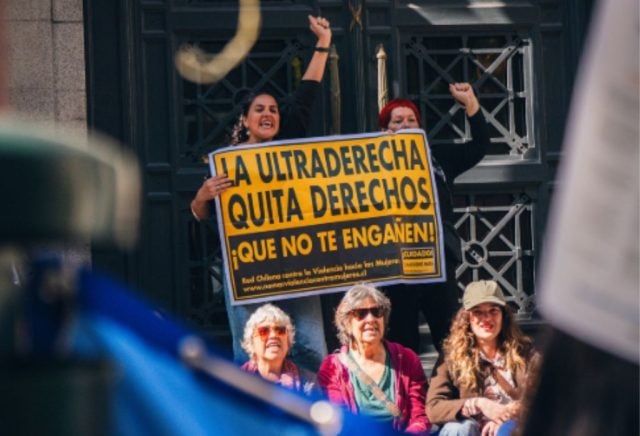
On International Women’s Day, the Mapuche Women’s Network has issued a powerful statement condemning the systemic erasure of Indigenous women from official history and current struggles. Released on March 8, the message highlights that women from Abya Yala have always played pivotal roles as leaders, weychafe (warriors), and guardians of the land, despite their names being omitted from historical accounts or distorted through a colonial lens.
The declaration emphasizes that colonization not only seized land but also exercised domination over women’s bodies and identities, aiming to sever the transmission of language and ancestral knowledge through religious and educational impositions. «Discussing Indigenous women is not merely an act of remembrance; it is to acknowledge our continued presence, preserving the language, culture, and life of our peoples,» states the communication.
The document also focuses on present realities, illustrating how Indigenous women face triple discrimination based on gender, ethnicity, and socio-economic status, revealing persistent disparities in health, education, and employment.
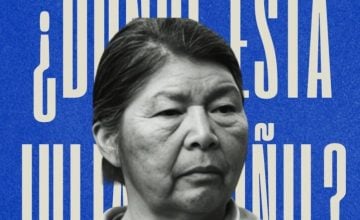
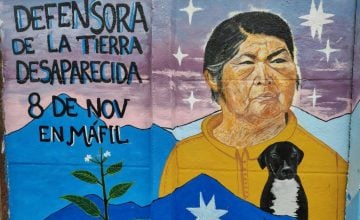
The Mapuche Women’s Network asserts that even within the demands of Indigenous peoples, their voices have been sidelined. The painful reality of this ongoing struggle is exemplified in their demand for truth and justice for Julia Chuñil, a missing Mapuche land defender, whose case has become a symbol of resistance. «¿Cew mvley Julia Chuñil? ¡Amulepe taiñ weychan!» (Where is Julia Chuñil? May our struggle continue!), the declaration concludes, asserting that as long as there is an Indigenous woman defending her territory, the history of resistance will remain alive.
See below for the complete declaration of the Mapuche Women’s Network:
DECLARATION OF THE MAPUCHE WOMEN’S NETWORK
March 8, International Women’s Day
The Erasure of Indigenous Women
In official history, Indigenous women are rarely mentioned as leaders; however, we have been present in all the struggles of our peoples: defending the land, culture, and life, acting as caciques, mama t’allas, toki, weychafe, and warriors in the resistance processes of Abya Yala against colonial invasion. Yet, their names remain excluded from history books.
When history discusses Mapuche women in texts such as La Araucana, it does so through a colonial lens, portraying us as savage, passionate, or secondary figures. Fresia and Wakolda are mentioned, but not as women who resisted and fought; instead, they are depicted as characters fitting narratives crafted by others.
Colonization also exerted control over the bodies of Indigenous women, many of whom were captured, enslaved, and forced into labor in mines or domestic roles. Nonetheless, they never ceased their attempts to return to their territories and lof, upholding the memory and resistance of their peoples.
Through the imposition of religion in missionary schools, there was an effort to sever the transmission of our culture. Mapuche women, who have historically been the main transmitters of language and ancestral knowledge, were incorporated into the educational system after Mapuche men, with the goal of replacing their wisdom with that of the dominant culture, as assimilating women threatens the very existence of a people.
Today, Indigenous women remain among the most vulnerable sectors of society, with statistics revealing persistent gaps in education, health, and job access. Additionally, they face triple discrimination: as women, as Indigenous individuals, and often as those living in poverty.
Even within Indigenous demands, women’s voices have been historically invisible. Although we have made demands for participation, rights, and recognition for decades, structural changes remain an unmet obligation.
Recent history reminds us that defending the territory continues to come at a cost for Indigenous women. The case of Julia Chuñil, a missing Mapuche woman defender of the Mapu, still seeks truth and justice, serving as a painful reminder that this violence is not confined to the past.
Discussing Indigenous women is not merely an act of memory; it is recognition that we are still here, sustaining the language, culture, and life of our peoples.
Defending the Mapu… and demanding justice.
Because as long as there is an Indigenous woman defending her territory, our peoples’ history of resistance will continue to live.
¿Cew mvley Julia Chuñil?
¡AMULEPE TAIÑ WEYCHAN!
Santiago, March 8, 2026
Relacionados
Victor Jara Foundation Commemorates Mapuche Weaver Angelita Huenumán with Colorful Photos
Hace 4 días
“Mientras exista una mujer indígena defendiendo su territorio, la historia de nuestros pueblos seguirá viva”: Red de Mujeres Mapuche
Hace 2 minutos