Original article: Chile: Organizaciones migrantes alertan sobre ausencia de institucionalidad, reconducciones y negaciones arbitrarias a solicitudes de refugio
During a meeting between Michel-Ange Joseph, president of the Civil Society Council (COSOC) of the National Migration Service (SERMIG), and David Arboleda, national advisor of the same body, representatives from organizations including Breaking Barriers (Antofagasta), the Open Assembly of Migrants and Pro-Migrants of Tarapacá, Ampro Tarapacá (Tarapacá), Migrant Action Movement, MAM (Metropolitan Region), and Migrants of Los Ríos (Los Ríos Region) discussed critical deficiencies in support for migrant communities and asylum seekers, highlighting the state’s failure to uphold human rights obligations.
From Valdivia, Grace Arango (Migrants of Los Ríos) reported the lack of a permanent director at the National Migration Service (SERMIG) and the ineffective support from the municipal office, which currently shares duties with the indigenous peoples’ sector.
The organizations pointed out that the service provided in this municipality is «poor and ineffective,» leaving hundreds of migrants without proper guidance or adequate support.
In Antofagasta, Elizabeth Andrade and Alexis Contreras (Breaking Barriers) stated that the situation is equally dire. There is no permanent director in the regional office, digital platforms are blocked, and office hours are nearly inaccessible.
Local organizations expressed concern over the lack of direct assistance and a prevailing sense of institutional abandonment.
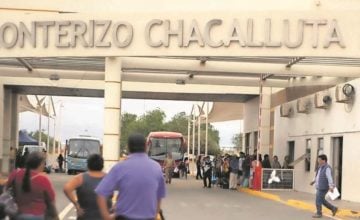
In Iquique, Hilary Alvarado (AMPRO Tarapacá) noted particularly alarming reports. There were mentions of the redirection of children, adolescents, and pregnant women without assessing their vulnerabilities or coordinating with child protection and health systems.
Moreover, it has been publicly disclosed that an employee of producer 370—contracted by the state for managing irregular migrants—is facing charges for bribery and assault against two Bolivian migrant women.
Additionally, reports indicate that the PDI is denying entry to individuals seeking to apply for asylum, effectively preventing the commencement of this important process.
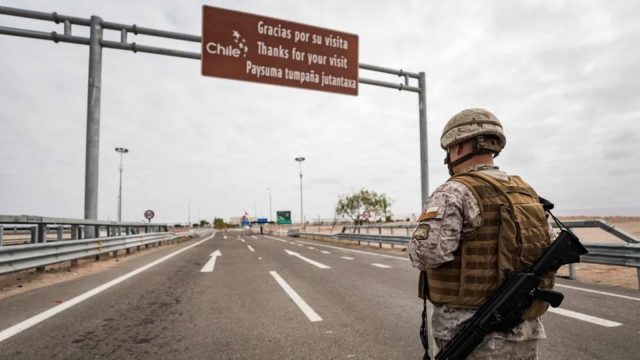
Eduardo Cardoza (MAM) expressed concern regarding proposed changes in Chilean legislation that would grant military forces control over borders, a responsibility that currently belongs to the PDI, and the potential impacts of regressive bills on migrant rights across various regions.
In light of this situation, representatives from the organizations called for the urgent activation of SERMIG in the field, the establishment of effective inter-institutional coordination mechanisms between the PDI, SERMIG, the Child Subsecretariat, and health services, as well as an immediate statement from COSOC regarding these violations.
Finally, the national advisors present unanimously agreed on the need to strengthen COSOC’s role in publicly influencing and demanding institutional responses. There is also a critical need to reaffirm the implementation of a migration policy centered on human rights, gender, and comprehensive protection.
The Citizen
Relacionados
Migrants Journalists Network and Wikimedia Chile Host Online 'Editathon' for International Migrants Day
Hace 2 meses
Trump Offers Up to $2,600 to Encourage Voluntary Departure of Undocumented Migrants from the U.S.
Hace 3 semanas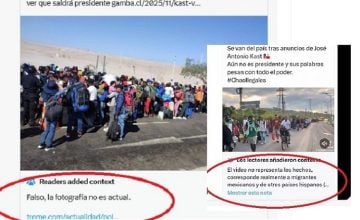
Extreme Right's Fabricated Campaign: False Videos, Photos, and Fake Migrants Leaving Chile Due to Kast
Hace 3 meses

Jeannette Jara from Tarapacá: "We Will Build a Second Technological Border to Address Global Border Control Issues"
Hace 2 meses
Kast's Migration Policy Shift: From Expulsion to 'Inviting' Migrants to Leave Sparks Controversy
Hace 2 meses