Original article: “El pueblo debe hacerlo respetar”: Petro reafirma en movilización masiva que el salario mínimo vital no se toca
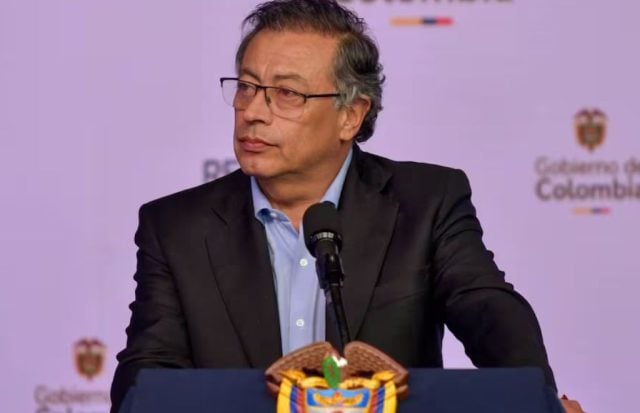
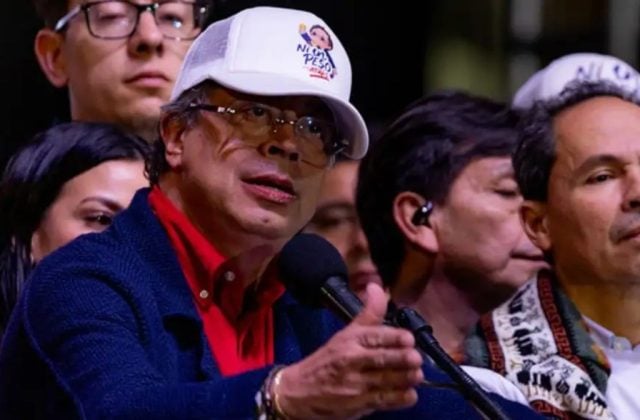
Colombian President Gustavo Petro confirmed from Plaza de Bolívar in Bogotá that the vital minimum wage for 2026 will remain at the same rate established in the December 2025 decree. «We are not stepping back,» he stated before the crowd.
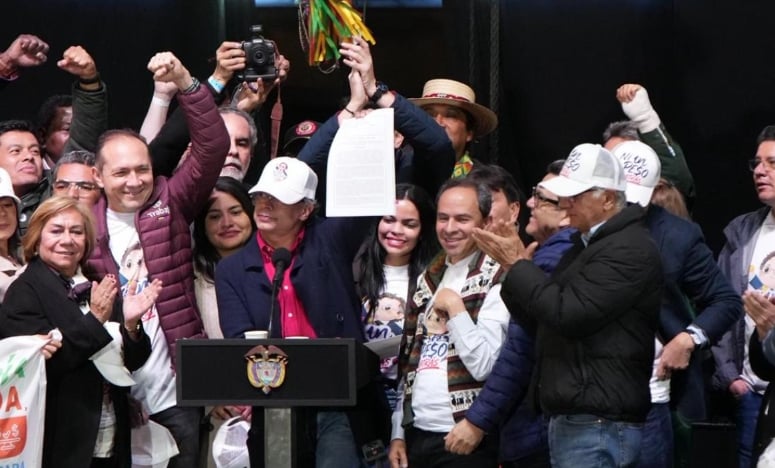
Amidst a gathering of tens of thousands in Plaza de Bolívar, President Gustavo Petro reiterated his commitment to the increase of the vital minimum wage for the 2026 fiscal year, despite ongoing legal controversy due to the provisional suspension ordered by the Council of State.
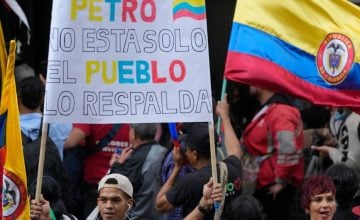
The president took advantage of the massive mobilization that occurred on February 19 to deliver a clear message to both judicial authorities and economic sectors questioning the legality of the wage increase: the vital minimum wage will not be altered.
The gathering, which brought together labor unions, social movements, and workers, served as a platform for the head of state to elaborate on the government’s decision and respond to pressures to retract the wage increase.
It is important to note that a few weeks ago, the Council of State temporarily suspended the decree that raised the minimum wage by 23.7%, which the progressive leader termed the «vital wage,» setting it at 2 million Colombian pesos. This decision ignited political debate and mobilized thousands in Plaza de Bolívar, Bogotá.
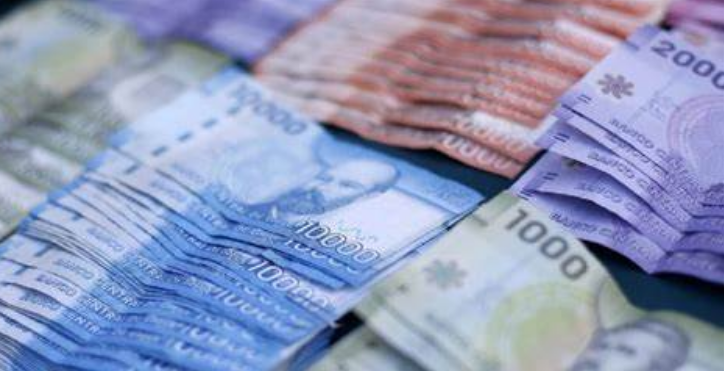
From the main stage adorned with Colombian flags and slogans advocating for labor rights, Petro announced that the vital minimum wage for 2026 will be 1,750,905 pesos, reflecting an approximate 23% increase compared to 2025. With transportation assistance set at 249,095 pesos, the total monthly income for workers receiving this benefit will reach 2,000,000 pesos.
Defense of the Constitutional Legality of the Increase
Petro referred to the Constitution to justify the legality and necessity of the increase. The president asserted that the decision aligns with the mandate of Article 53 of Colombia’s Political Constitution, which enshrines the minimum vital and mobile remuneration as a fundamental principle of labor—a precept he argued has been systematically ignored by previous governments.
«The vital minimum wage should be 2 million 155 thousand pesos. What wrong did we do? Fulfill the Constitution,» he expressed to the attendees, clarifying, however, that it will remain at 1,750,905 pesos excluding transportation assistance, as he announced in December 2025, as reported by Radio Nacional de Colombia.
The reference to Article 53 was not incidental. During his speech, the head of state pointed out the lack of legislative development of this constitutional provision, which mandates Congress to pass the Labor Statute, a regulation that—he claimed—has not been developed in nearly five decades.
«48 years have passed in Congress, and they did not include the ‘vital wage’ in the decree,» he said with evident frustration, adding that if the legislature fails to uphold the Constitution, its members should bear political responsibility before the nation.
Call to Defend the Vital Minimum Wage
In his address, Petro firmly asserted that the new decree, already signed and submitted to the Council of State, incorporates the requested adjustments without altering the originally established amount.
«The legal minimum monthly wage for 2026 is the same as we decreed in December 2025. We are not stepping back,» he affirmed.
The president elaborated on how the minimum wage will be configured following the temporary suspension and the steps the executive has taken to meet judicial requirements.
«We are not stepping back; we signed and submitted to the Council of State, complying with their orders, adhering to and providing technical studies,» the head of state declared, adding that the next adjustment will need to be based on more comprehensive productivity data.
He emphasized that labor productivity has risen above the minimum wage in recent years, leading to a decrease in workers’ share of national income.
«In percentage terms, we received 42%; it has decreased. Workers have lost 656 billion pesos. We are recovering what was produced 15 years ago,» he asserted.
He explained that when productivity rises while wages do not increase proportionally, it results in a phenomenon of «overexploitation.»
During his speech, Petro was adamant that the minimum wage should continue to progress in 2027, even in his absence from the presidency, warning that there may be new pressures to revert the decree, and thus he called on the public to defend it.
«The people must make it respected,» he asserted.
Relacionados
Colombian President Petro Declares Minimum Wage Increase: 22.7% Hike Announced for 2026
Hace 2 meses
"Free Colombia": Petro Calls for Public Mobilization After Trump Insults and Intervention Threats
Hace 1 mes