Original article: EE.UU. endurece el bloqueo y golpea la salud: 32.880 embarazadas en Cuba en riesgo
More than just a headline, this situation represents a public health alarm for Cuba. The Ministry of Public Health (Minsap) reported that 32,880 pregnant women are facing additional risks due to the intensification of the U.S. energy blockade in Cuba, a blow that deeply impacts the basic logistics of the healthcare system: fuel for patient transport, sustaining services, and responding to emergencies. In other words, without energy and transportation, healthcare is effectively stalled.
U.S. Energy Blockade in Cuba: Pregnant Women Face Limited Access to Essential Checks
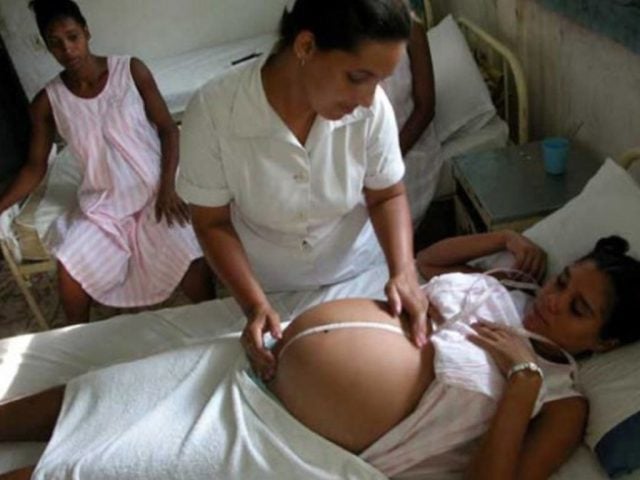
According to official data, restrictions on energy supply primarily affect the Maternal and Child Care Program. Minsap has warned of limitations preventing expectant mothers from accessing obstetric ultrasounds for fetal monitoring and genetic studies, both crucial for early detection of malformations and complications.
The fuel shortage also complicates the mobility of medical teams responsible for assessing extremely severe maternal morbidity and attending to critical neonates. Furthermore, there are reports of delays in childhood vaccination schedules, and this impact is pressing, given the deadlines for health measures that cannot be ignored.
U.S. Energy Blockade in Cuba: Children’s Health at Risk and Services Under Strain
Health authorities indicated that these disruptions could significantly affect the 61,830 infants requiring special care during their early life stages. Additionally, there is heightened concern for children needing specific treatments—such as home ventilation, mechanical aspiration, or climate control—in a scenario of electrical instability and limited availability of emergency transport.
Minsap also cautioned that this situation jeopardizes care for oncology patients, individuals with non-communicable chronic diseases, and the monitoring of programs related to communicable diseases, with the risk of impacting mortality rates. Put simply, when the system falls behind, the consequences are felt by the most vulnerable populations.
Rising Costs of Supplies, Fewer Flights, and Containment Measures
Cuban authorities have stated that the tightening of U.S. measures has exacerbated difficulties in acquiring medications, reagents, consumables, medical instruments, and spare parts for hospital equipment. The reduction in commercial flights and rising freight costs further complicate and delay the arrival of essential supplies.
In response to this situation, Minister José Ángel Portal Miranda explained that the healthcare system is implementing measures to sustain essential services: consolidation of services, strengthening the family doctor and nurse program, prioritization of maternal and child health, and reductions in hospital stays where clinically feasible. Furthermore, surgical activities will be minimized, focusing on emergencies while trying to ensure care for chronic patients, including those requiring hemodialysis.
Relacionados




Cuba's Local Government Reorganization Aims to Enhance Connectivity Amid Power Blackouts and Fuel Shortages
Hace 5 días