Original article: El «peor de los mundos»: Informe advierte que plan económico de Kast frenaría el crecimiento de Chile
The analysis from ICAL indicates that the series of measures being implemented will adversely affect household consumption and private investment.
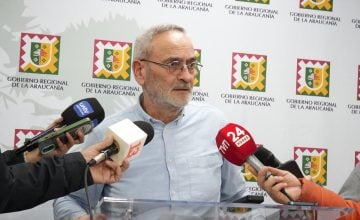
In a memo, economist Fernando Carmona, director of the Institute of Alejandro Lipschutz Sciences (ICAL), warned that the regulations promoted by José Kast create a «potentially contractionary» scenario for the country. The document suggests that by combining a rise in fuel prices with cuts in public spending and tax reductions for large companies, the measures simultaneously weaken consumption, investment, and state actions.
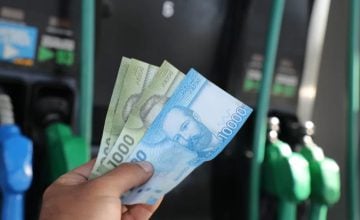
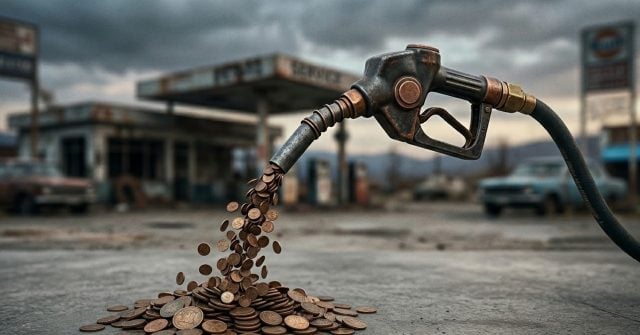
The report details that adjustments to the Fuel Price Stabilization Mechanism (MEPCO) will lead to a rapid transfer of international price increases to local consumers. This would result in increases such as $370 per liter for gasoline and $580 for diesel, which «reduces the real disposable income of households» by directly raising transportation and logistics costs for basic products.
Regarding the tax reduction for companies from 27% to 23%, the ICAL study estimates a loss of approximately $2.8 billion in annual tax revenue. Thus, this measure primarily benefits higher income segments, causing a «direct transfer from the State to corporate surplus,» which does not guarantee greater economic expansion.
The memo challenges the government’s premise that lower taxes will automatically lead to increased investment, noting that such investment depends on sales expectations. Economist Carmona warns that in a context of declining real wages and restrictive fiscal policy, businesses are facing a weak domestic market, which could lead profits to result in «financial accumulation, dividend distribution, or capital flight,» he argues.
This scenario, described as «the worst of macroeconomic worlds,» projects a growth trajectory below expectations for the next three years. While international agencies estimate Chile’s expansion at 2.5%, this series of measures could push the Gross Domestic Product (GDP) to around 1.7% annually from 2026 to 2028.
The analysis also warns that the proposed economic model becomes dangerously reliant on the external sector, even without guarantees of generating expansion. As Chile is an energy importer, the rise in fuel prices directly increases input and transportation costs, adversely affecting the competitiveness of exporting companies. Therefore, this spike in costs will hinder foreign sales from compensating for the weakness of domestic demand.
Finally, the study emphasizes that cuts to ministerial spending will reduce economic dynamism just when the country is facing a significant cost shock. The result, as concluded by the ICAL report, will not necessarily be an open recession, but rather a prolonged phase of low growth with fewer job creations and increased vulnerability to international crises.
Artículos Relacionados


"Govern for the Country, Not for the Few": Legislators Urge President Kast Over Rising Fuel Prices
Hace 2 días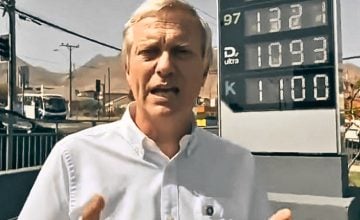


Unrestricted Strike and Daily Protests: Labor Central Claims Paz's Fuel Price Hike Burdens Workers
Hace 3 meses