Original article: El interesante lado activista y de consciencia medioambiental del Festival Lollapalooza 2026
Exploring the Activist and Environmental Awareness Aspects of Lollapalooza 2026
Beyond the powerful musical performances from Tom Morello, Los Bunkers, Deftones, and Skrillex, the latest Lollapalooza festival also showcased fascinating art installations and discussions focused on environmental issues at the vibrant Aldea Verde area.
Highlighted were the engaging activities led by Ladera Sur, Fundación Fungi, and Educamper, along with exhibitors Aymapu, Turismo Zero, and Reforestemos.
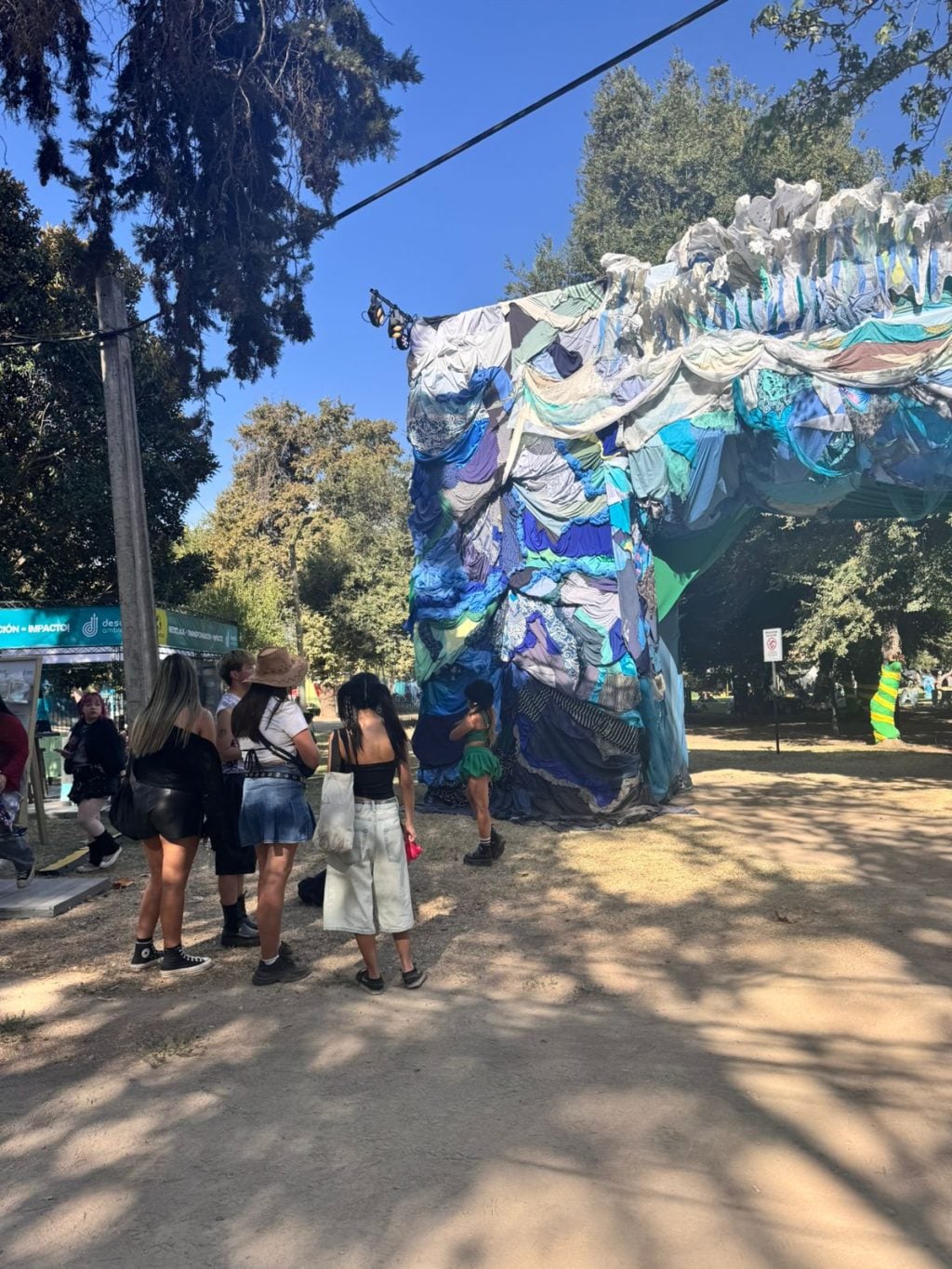
Access to Aldea Verde was marked by a grand archway adorned by artists from the CIAN Collective, featuring over 1,200 textile scraps and repurposed clothing items, creating a large, dynamic sea-like structure.
The message was clear: to raise awareness about the harmful effects of fast fashion from multinational brands that prioritize seasonal wear over durability and quality, contributing significantly to environmental degradation due to excessive water consumption in production.
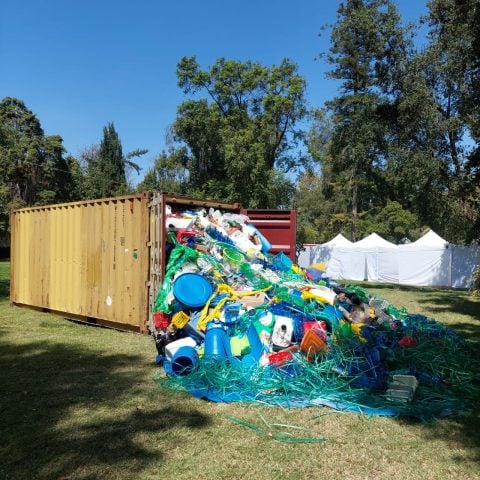
In the heart of Aldea Verde, a poignant installation featured a heap of plastic waste spilling from a shipping container.
This remarkable piece, created by the CIAN Art Collective, alongside the archway, served as a striking image of the reality we face today.
A shipping container, symbolic of global trade and the relentless flow of goods, opens its doors to reveal what we often choose to hide: a sprawling mound of plastic waste produced by our lifestyle.
Emerging from within are single-use plastics and functional items that once promised usefulness and progress. Remnants of bottles, packaging, toys, furniture, and devices designed for a limited lifespan and programmed obsolescence blend into an indistinct mass.
What was once desire and convenience has become waste; what circulated rapidly in the global economy now stands stranded as a toxic legacy for the planet.
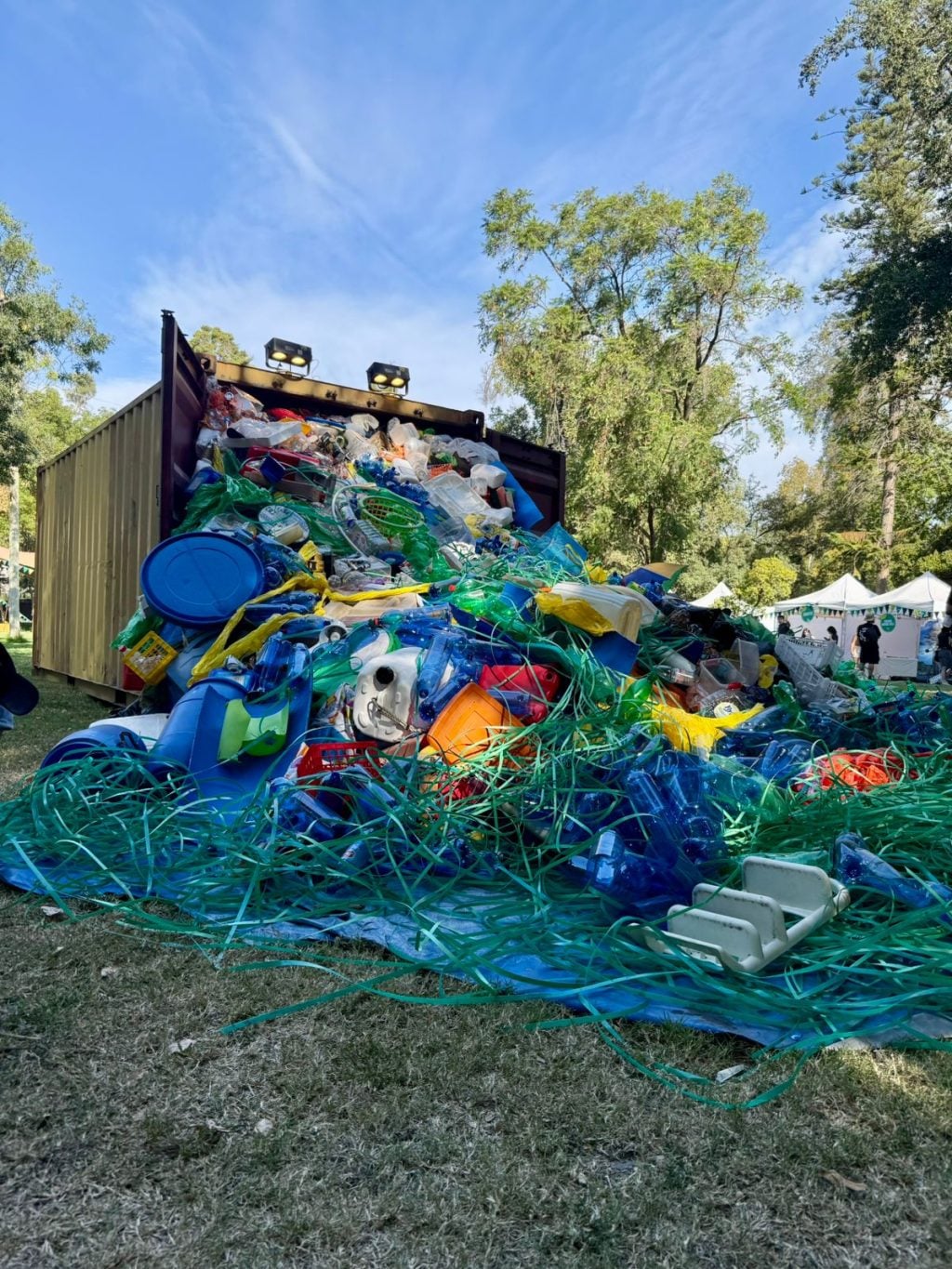
This installation confronted the viewer with an unsettling temporality: these materials will persist for hundreds of years, eroding ecosystems, fracturing into microplastics, and threatening the survival of countless animal and plant species.
The open, overflowing container serves as an exposed wound of the contemporary consumption system, a reminder that there is no «outside» to discard what we no longer wish to see.
Moving beyond abstract denunciation, this artwork appeals to shared responsibility. It invites us to pause, observe, and reflect on our daily habits and the cumulative impact of each consumption decision.
Within the festive and ephemeral context of the festival, the «Container of Excess» proposed a critical pause: an urgent call to reconsider our relationship with plastic, to take care of the ecosystems we inhabit, and recognize that the future of species, including our own, depends on the actions we take today.
It is commendable that such festivals highlight environmental issues and create space for activists who advocate for the care and preservation of nature.
The Citizen
Relacionados
MUDA Festival Rescheduled to a 2-Day Event: October 16-17, 2026, at Parque Estadio Nacional
Hace 3 semanas
Free Launch of Chiloé's Insular Water Handbook Highlights Socio-Environmental Conflicts
Hace 2 meses
A Key Voice from the North: Farewell to Leyla Noriega, Aymara Journalist and Founder of Radio Ayni
Hace 3 meses
Environmental Crisis at Lake Vichuquén: Legislature Approves Resolution Demanding Urgent Action from the President
Hace 2 meses