Original article: Punta Fraile: la batalla ciudadana para evitar 9 torres frente al santuario natural
The grassroots movement Defensa Punta Fraile is fighting to overturn a 2001 decision that left the peninsula vulnerable. Amid reports that the real estate company is blocking access to indigenous ceremonial sites, they are calling on the municipality to change land use laws and halt a development project proposing 352 apartments in front of the Humboldt Penguin Sanctuary.
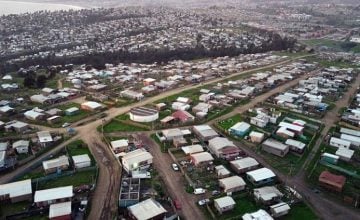
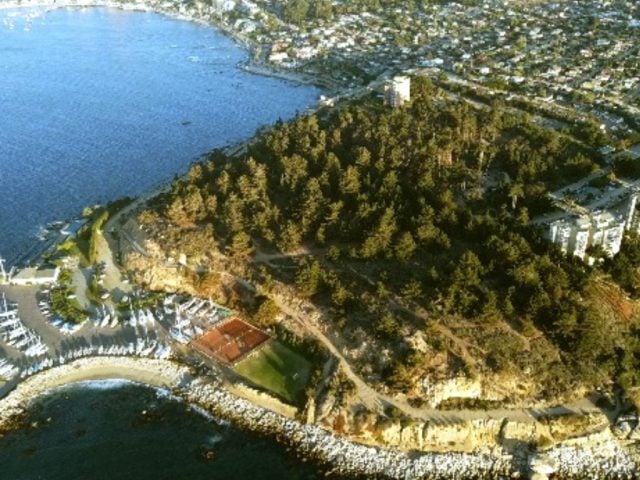
At the heart of Algarrobo lies Punta Fraile, an area that represents more than just land and scenery. For the community, this site is known as «Pillan Wechun» (Sacred Peninsula), rich in natural, ancestral, and archaeological heritage.
Positioned across from the Islote Pájaros Niños Nature Sanctuary, the peninsula serves as the green lung that protects over 20 bird species and the main colony of Humboldt penguins, located just 150 meters from the coast.
However, since March 2022, this heritage site has been fenced off. The Algarrobo community has witnessed their access to a historically significant area for workshops, flora observation, and wellness being denied.
This closure has particularly impacted the Chango Lafkenche Tralka Lafken indigenous community. With the site closed, they can no longer freely perform their ceremonies in what they regard as a place of ancestral worship.
In an interview with El Ciudadano, the spokesperson for the Defensa Punta Fraile movement, Samira Vallejos, explained that the impact is profound: «The closure has interrupted the ability to conduct their ceremonies. We have requested entry from the real estate company, and the response has been negative.»
Currently, the movement is striving to prevent the destruction of this picturesque landmark, advocating for respect towards an ecosystem that is fragile and endangered by the encroachment of concrete and the loss of historical memory.
Nine Towers in Front of the Sanctuary
The planned real estate project in the area includes the construction of nine towers between six to eight stories, comprising 352 apartments and 554 parking spaces. Not only would this construction obstruct views, but it would also cause irreparable damage to the natural, cultural, and scenic heritage that shapes the identity of Algarrobo.
One of the most critical concerns is the water crisis affecting the province since 2019. A drastic increase in population would exacerbate water shortages and overwhelm an already strained sanitation system.
Furthermore, the movement warns of potential impacts on the Nature Sanctuary. Light and noise pollution from ten years of construction threaten the survival of the Humboldt penguin in the area.
Regarding this issue, Vallejos stated: “Regarding the Humboldt penguin, which has recently been declared a national monument, the precautionary principle should be followed to prove that light pollution will not harm the colonies, rather than merely affirming that it won’t by claiming construction won’t occur on the islet. It’s outrageous that the SEA has ruled that this megaproject does not require an Environmental Impact Study.”
The quality of life for local residents is also at risk. A collapse of health and education services is anticipated, in addition to unsustainable traffic congestion due to an influx of trucks and new residents.
Ultimately, the project would nullify the ecosystem services provided by the city’s last green lung, resulting in the irreversible loss of public space designated for sports, education, and community well-being.
In this regard, Vallejos explained that the project is set against a backdrop of significant patrimonial value, located among six protected areas: two nature sanctuaries, two intertidal wetlands, the characteristic area of Parque Canelo Canelillo, and a paleontological heritage geosite.
“Allowing this construction would be an abomination that would forever change the face of our beach resort and would irreparably harm tourism, which is the economic engine of the municipality,” Vallejos asserted.
The «Taken» Protection
In 2000, the typical area of the “Canelo-Canelillo” sector was established to protect the area, which included the park and the entire peninsula. However, a year later, the boundaries were altered, removing protection from Punta Fraile. According to the movement’s spokesperson, this protection was withdrawn in response to pressure from real estate companies that filed five protection resources.
“Therefore, this measure does not relate to the municipal council; however, the municipality does have the authority to change land use following the due legal process established by LGUC. This approach has been previously employed to protect areas of significant patrimonial value, as was the case with the Peñablanca and Leoncillo peninsulas in 2019. Thus, we trust that we can utilize the same tool in this instance,” she stated.
The change in land use involves several stages. Currently, residents hope that the mayoral decree 1,064 issued on May 22, 2024, will be invoked to call for public hearings regarding the proposed land use project.
The Crisis of Services: Water and Feasibility
One of the most pressing concerns for the community is the ongoing water crisis in the province, declared in 2019. Residents already experience low water pressure during the summer season.
Despite this scenario, the spokesperson accuses Esval, the local water company, of granting water feasibility to the project, ignoring the fragility of the water supply in Algarrobo.
The impacts will not only be long-term; ten years of incessant construction are projected. This entails a decade of disruptive noise, heavy machinery traffic, and a drastic increase in waste volume. Such saturation would severely affect residents’ quality of life and further strain health services already overwhelmed throughout the year.
A „Tricao Park“ for Algarrobo
The movement aims to prevent this real estate megaproject that would degrade the quality of life for residents in the area. However, they are not only opposing the project but also proposing alternatives for the zone.
This is why they are promoting the creation of a communally protected park for perpetuity. The proposal aims to ensure free and open access for the entire community. The goal is to restore a gathering space surrounded by nature that secures ecosystem protection. Additionally, the communal park project would restore the ceremonial site’s value to the Tralka Lafken community, safeguarding their culture after years of exclusion due to site closure.
“We propose that once land use is changed, only projects conforming to urban regulations will be permitted. Property owners will have the freedom to undertake other types of projects, such as a private park, that would genuinely contribute to sustainable development of the municipality, transforming it into a hub for tourism, ecology, and culture, as seen in various examples in our country: Parque Tricao, Parque Karukinka, Protected Coastal Area of Punta Curiñanco, etc.”, Vallejos concluded.
As the real estate project advances in its processes, the Algarrobo community insists that the fate of Punta Fraile is not yet sealed. Neighbors, environmental organizations, and indigenous communities continue to mobilize to protect this space they see as an essential part of their identity and heritage. Their vision is clear: to transform the peninsula into a communal park that preserves its natural, cultural, and spiritual value for future generations. The outcome now hinges on the political and administrative decisions taken by the municipality and the environmental assessment authorities.
Relacionados
Historic Milestone at the Mouth of the Maipo River: 6 Pilpilén Chicks Successfully Take Flight
Hace 3 semanas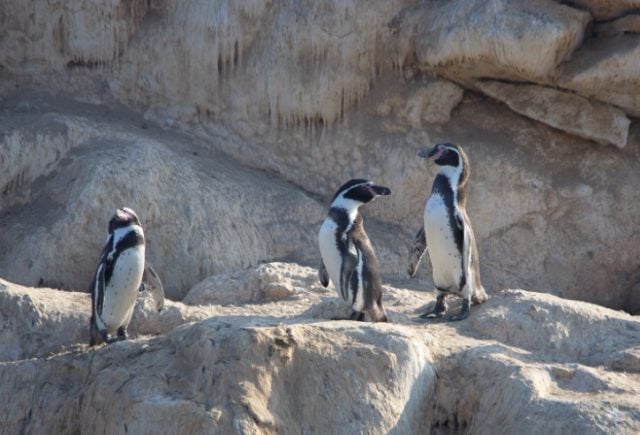
Humboldt Penguin Declared a Natural Monument to Enhance Protection Amidst Endangerment
Hace 3 semanas