Original article: Santiago: Encuentro socioambiental articuló a territorios frente al extractivismo
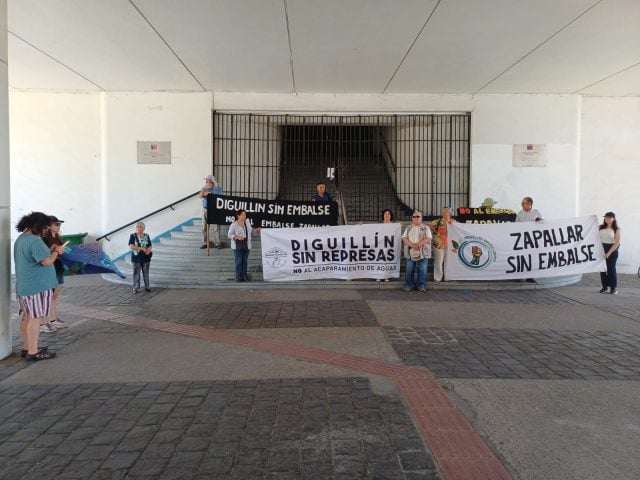
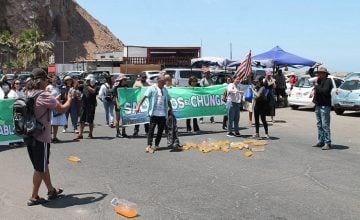
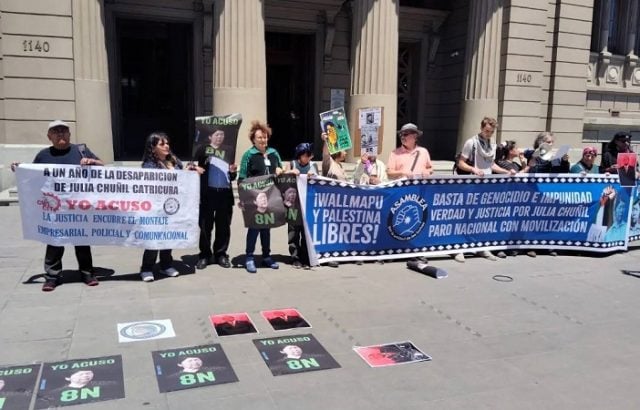
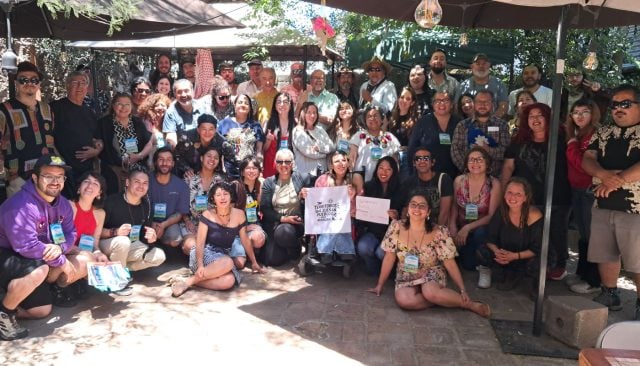
The recent gathering organized by the Latin American Observatory of Environmental Conflicts (OLCA), held from November 28 to 30, brought together defenders from territories spanning Arica to Magallanes. This event was set against a backdrop of escalating socio-environmental conflicts, increasing extractivist pressures on local areas, and the current political landscape in Chile.
More than 60 individuals representing 50 social organizations from across the country participated in Santiago, motivated by the need to strengthen collective strategies against deregulation, privatization, and the commodification of nature. These organizations focus on water protection, biodiversity, environmental education, human rights, and feminism.
Over the three-day event, participants shared diagnoses, experiences, and proposals from territories facing active socio-environmental conflicts. Emphasis was placed on the importance of reaffirming a socio-environmental agenda through a lens of rights, gender, climate, and ecological justice.
Cecilia Aguilera, spokesperson for the Atacama Environmental Defense Collective (Codemaa), expressed that her participation aimed to highlight the plight of a region historically impacted by extractivism. “Our territories are sacrifice zones that are being violently affected again. We wanted to bring that voice forward and continue learning about laws and how the system that harms us operates,” she stated.
Jorge Morales from the Aconcagua Socio-environmental Observatory and the Alliance for Nature and Biodiversity emphasized the value of the gathering as a space for care and political projection. “It’s an opportunity for us to meet, recognize each other, and honestly assess our expectations for the coming year. Adjusting our expectations is crucial to avoid burnout and frustration, as deep changes require time,” he asserted.
Javiera Elgueta of the Network for Overcoming the Forestry Model in the Biobío Region valued the ability to share experiences with peers from different parts of the country, sending a hopeful message: “Let’s dream together; it’s wonderful to live in a pollution-free place.”
Karin Zuleta of the Agricultural, Livestock, and Forestry Association of the Tambillo Forest (Licanantay Indigenous Organization of Atacama) remarked, “We must not lose sight of what it means to be human and our composition. As Indigenous people, our worldview connects us to the land… We must protect it, as this time of maximum extractivism poses threats to all of us, jeopardizing our human existence.”
The program included extensive training on key issues such as the mining-energy connection, water as a non-appropriable common good, corporate energy transition, neoliberal conservation of nature, and environmental regulations and institutions in Chile.
During discussions, the role of mining and energy within the current development model was scrutinized, especially regarding the energy transition, examining its impacts on territories. Moreover, the water crisis was addressed from a rights perspective, highlighting the need to deprivatize and redistribute water and to move management decisions to local communities.
Regarding the conservation of nature subordinated to market logic, which views ecosystems as commodities and excludes local communities, attendees proposed moving towards comprehensive conservation with community involvement and a post-extractivist horizon.
The meeting also integrated political analysis with participatory methodologies focused on collective care and the construction of shared memories and reflections. Noteworthy activities included body mapping to explore the impacts of socio-environmental conflicts, the “wall of victories” sharing territorial resistance milestones, the collective fanzine projects summarizing impacts and projections from various thematic axes, and the “good news radio,” a game filled with aspirations for participants.
The final day was dedicated to developing common resistance strategies, emphasizing local, regional, and national actions, alongside creating slogans and cultural expressions projecting alternatives, such as: “water is a common good that should be deprivatized” and “for life and mental health, let’s detoxify the absurd environmental law,” among others.
“We have rekindled a space for collective reflection, reaffirming that against extractivism and the commodification of nature, territories and communities must defend themselves. Now more than ever, strengthening organizational capacities and alliances is crucial to sustain territorial processes,” stated Lucio Cuenca, director of OLCA.
In this context, the AGUAnte la Vida 2025 concluded with a call to deepen the integration of territories, strengthen alliances with those defending life, and to maintain long-lasting processes in the face of environmental regression, while denouncing the exclusion of various socio-environmental issues from the public agenda, marked by corporate capture of the state.
The Citizen
Relacionados

Copiapó Premieres Documentary "The Lithium Fever" Featuring Environmental Organizations
Hace 2 semanas
People's Summit Kicks Off in Brazil: 30,000 Attendees and 1,100 Organizations Challenge COP30's Official Agenda
Hace 3 meses
Free Launch of Chiloé's Insular Water Handbook Highlights Socio-Environmental Conflicts
Hace 1 semana