Original article: Padre condenado por delitos sexuales: el voto clave de Macaya aprueba el proyecto que abre beneficios penitenciarios
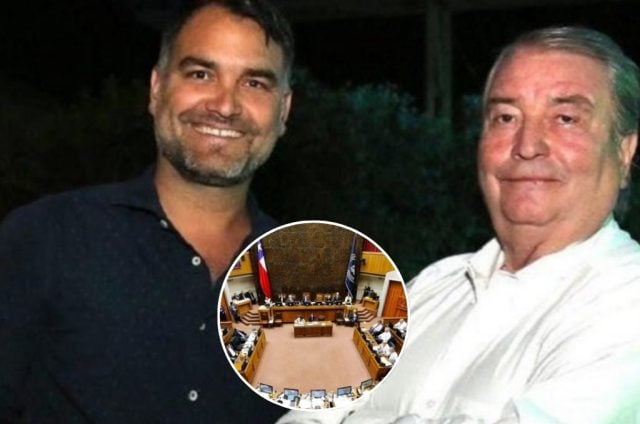
Senator Daniel Núñez (PC) requested that Javier Macaya abstain from voting, citing a potential conflict of interest stemming from his father, who is 73 and has been convicted of four sexual offenses against minors, possibly benefitting from the legislation.
A narrow vote and controversy over a potential conflict of interest marked the Senate’s general approval of the bill regulating the suspension and alternative fulfillment of prison sentences. This initiative, which allows for the «excarcelación» of offenders over 70 years old on health grounds, passed by a razor-thin margin of 23 votes in favor and 22 against, with Senator Javier Macaya (UDI) casting the deciding vote.
The bill, introduced by Senators Francisco Chahuán, Luz Ebensperger, Luciano Cruz-Coke, Alejandro Kusanovic, and Carlos Kuschel, aims to establish mechanisms for suspending or substituting prison sentences with alternatives. Ultimately, this law would directly benefit inmates from Punta Peuco convicted of crimes against humanity and human rights violations. Should it progress, it’s estimated that over 300 individuals convicted of crimes against humanity, as well as over 300 offenders convicted of homicide, femicide, child sexual abuse, and parricide, could be impacted.
The Vote That Defined the Majority and the Controversy Over Conflict of Interest
However, legislative discussions were not without controversy due to Macaya’s involvement in the vote.
The senator raised his hand in favor of the initiative, a vote that proved decisive for its approval, prompting immediate scrutiny given that his father, Eduardo Macaya, age 73, is a convicted sex offender.
Amid the uproar during the session debate, Senator Daniel Núñez (PC) formally requested that Macaya recuse himself from the vote, arguing a potential conflict of interest.
The Communist legislator warned that the law could result in benefits for convicts who meet specific criteria, including advanced age, which directly applies to Eduardo Macaya.
“I want to ask that Senator Macaya abstain from voting because if this bill passes, his father could benefit from it,” Núñez stated during the session, referring to Senate rules on parliamentary disabilities.
In response to this request, right-wing lawmakers, including Senator Rojo Edwards, lashed out at Núñez, labeling his remarks as “the lowest” point of the debate, as reported by El Mostrador.
According to Edwards, the controversial bill would not benefit Macaya’s father, and he also demanded that the comments made by the Communist senator be withdrawn from the session’s record.
Nonetheless, the voting process continued, and the bill was ultimately passed by the narrow margin, highlighting the decisive weight of Macaya’s vote.
Government Rejection, Constitutional Reservation, and Next Legislative Steps
Following the general approval, Senate President Manuel José Ossandón opened the vote to set the deadline for submitting amendments. The chamber set the deadline for Monday, March 16, at noon, a decision supported by 27 votes in favor and nine against.
At the end of the session, Senator Yasna Provoste (DC) and Senator Fidel Espinoza (PS) filed a constitutional reservation, arguing that the bill violates international human rights treaties and legislation signed by Chile, even indicating that they might seek recourse to the Constitutional Court if the project moves forward.
After the Senate’s general approval, Justice Minister Jaime Gajardo gave statements to Televisión Nacional, reaffirming the Boric administration’s rejection of this initiative, warning that it “poses grave risks to the safety of our society.”
The State Secretary elaborated on the Executive’s rationale, arguing that the law would pave the way for the release of high-risk criminals.
“It will allow dangerous criminals, not just those who have committed the most serious crimes under national and international law, such as crimes against humanity, but also the gravest offenses known to our national legislation, such as homicide, parricide, femicide, rape, and sexual abuse against children, (…) to commute their sentences and be released to their homes,” Gajardo declared emphatically.
With the first legislative hurdle passed by just one vote, the shadow of conflict of interest regarding Macaya and strong opposition from lawmakers and the Executive will shape the future of an initiative likely to continue generating both legal and ethical tensions.
Relacionados
Allegations of Privileges for Eduardo Macaya in Rancagua Prison: Gendarmería Investigation Remains Open After Nearly Two Years
Hace 1 semana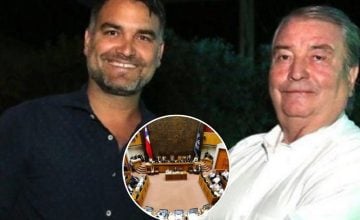
Padre condenado por delitos sexuales: el voto clave de Macaya aprueba el proyecto que abre beneficios penitenciarios
Hace 2 minutos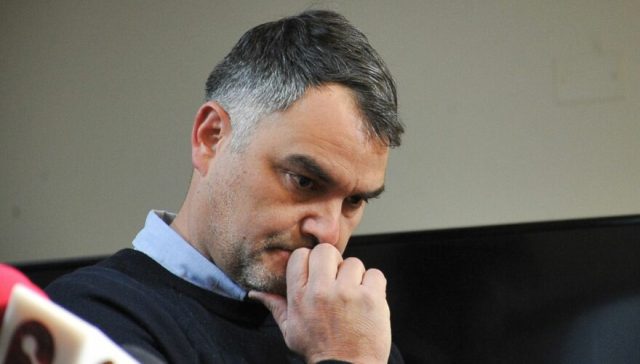

DD.HH. para quienes los violaron: la derecha busca imponer un proyecto que vuelve a tensionar la memoria
Hace 1 hora