Original article: Santuario Humedal Tunquén protege su fauna: desde 2026 no se permitirá el ingreso de perros
Tunquén Wetland Sanctuary Implements Dog Ban to Protect Wildlife Starting 2026
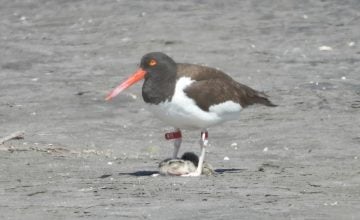
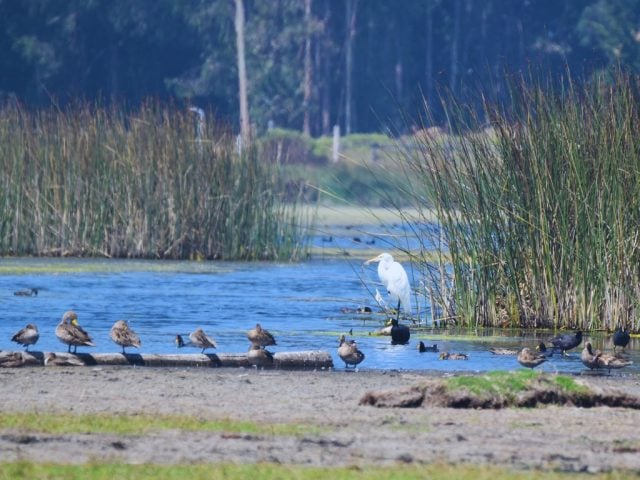
The Tunquén Wetland Sanctuary is taking a significant step to safeguard its wildlife by prohibiting dogs from entering the sanctuary starting January 2026, except for certified assistance animals. This decision aims to protect shorebirds, native fauna, and areas undergoing ecological restoration in this coastal ecosystem located in the Valparaíso Region.
The Tunquén Wetland Sanctuary, located at the mouth of the Casablanca estuary on the border of the municipalities of Casablanca and Algarrobo in the Valparaíso Region, has been adjusting its management to balance conservation with public visitation. During the summer of 2025, the sanctuary’s administration implemented a trial period that allowed dogs on leashes, supervised by environmental monitors.
According to the Sara Hernández Foundation for Conservation, via the sanctuary’s Instagram account, after evaluating that trial period, a stricter restriction was decided: starting January 2026, dogs will not be allowed in the sanctuary, with the exception only for assistance or guide dogs certified by CONADIS/SENADIS.
This will enable the Tunquén Wetland Sanctuary to better protect its wildlife, adhering to the guidelines established in its management plan and the evidence collected during the trial period.
Why Tunquén Wetland Sanctuary Restricts Dogs to Protect Its Wildlife
The measure is explained with a series of reasons directly linked to the conservation of the ecosystem:
- Predation and Attacks: It is noted that dogs can prey on or attack shorebirds, nesting birds, and vulnerable species, directly affecting their survival and reproductive cycles.
- Stress and Disturbance: Even the mere presence of a dog alters the natural behavior of wildlife, causing stress, behavioral changes, and abandonment of key feeding or resting areas.
- Health Risks: There is a mention of the risk of disease transmission from domestic animals to native mammals, such as mange or distemper, which can severely impact wild populations.
- Damage to Fragile Areas: The presence of dogs also affects pathways and areas undergoing ecological restoration, where efforts are made to recover vegetation and the natural conditions of the wetland.
- Legal Obligation: The restriction also responds to a legal obligation established in the Sanctuary’s Management Plan, approved by the Ministry of the Environment, which sets guidelines to minimize pressures on wildlife and habitats.
The Sara Hernández Foundation expressed gratitude for the understanding and support toward conserving this unique ecosystem, emphasizing that the priority is to protect the biodiversity reliant on the wetland.
A Call to Visit the Sanctuary Responsibly
Although the new policy indicates that dogs will no longer be allowed in the sanctuary, the administration reminds visitors that this measure aims to ensure that future visits can be made under better conditions of tranquility for the wildlife and care for the more sensitive areas.
The decision for the Tunquén Wetland Sanctuary to restrict dog access aligns with a global trend of reinforcing management measures in wetlands and coastal protected areas, especially in locations where sensitive shorebirds and native mammals congregate, affected by the presence of domestic animals.
Finally, the Foundation reiterated its gratitude for “understanding and supporting the conservation of this unique ecosystem,” inviting the community to continue visiting the sanctuary with respect and care for the wetland and all the species inhabiting it.
Relacionados
Santuario Humedal Tunquén protege su fauna: desde 2026 no se permitirá el ingreso de perros
Hace 3 meses