Original article: «Estamos persiguiendo crímenes de guerra, no al pueblo de Israel»: Abogado Pablo Araya sobre querella que busca investigar a soldado israelí en Chile
By Jon Navarro, Journalist
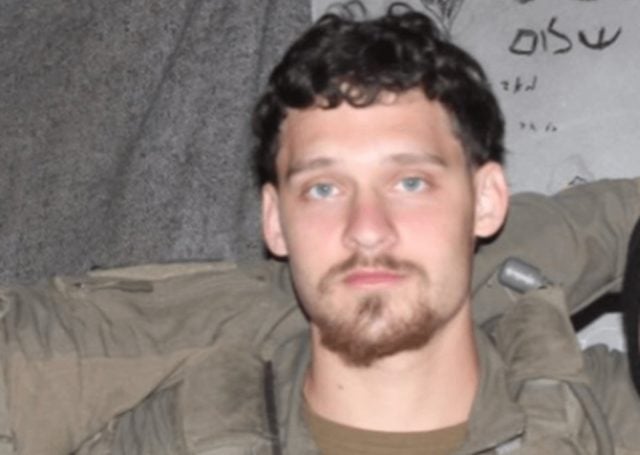
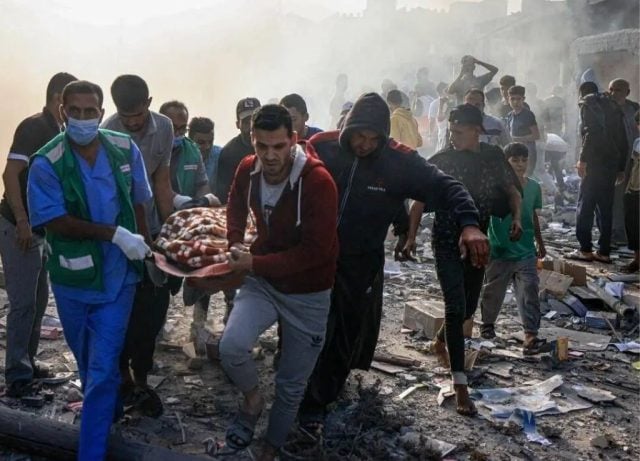
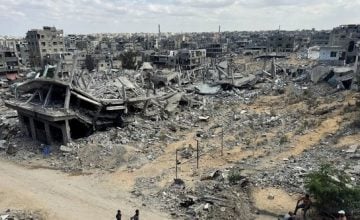
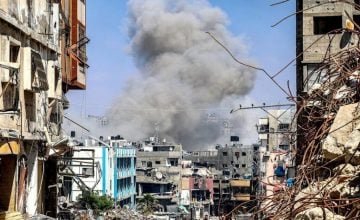
From bombing hospitals and shooting civilians in Gaza to visiting the lakes of southern Chile, Ukrainian-Israeli sniper Rom Kovtun, a member of the Israeli Defense Forces’ 424th ‘Shaked’ Battalion, faced allegations of war crimes from the Hind Rajab Foundation upon his easy entrance into the country in February.
The alert was raised by the Hind Rajab Foundation, an organization that has documented the involvement of Israeli military personnel in criminal activities in Gaza. After discovering social media posts from Kovtun in Chile, they reached out to lawyer Pablo Araya Zacarías through international legal networks, specifically via the Worldwide Lawyers Association (WOLAS). The goal: to explore legal actions within Chile.
Araya has already filed a lawsuit with the 8th Guarantee Court in Santiago and is awaiting the court’s decision on its admissibility. The lawyer explained that the legal basis for the action stems from both international law and domestic legislation.
«The principle of universal jurisdiction indicates that crimes such as war crimes, crimes against humanity, or genocide can be prosecuted anywhere in the world,» he stated.
«As a signatory of the Rome Statute, Chile has a legal obligation to prosecute individuals who commit war crimes and are present within its territory,» he asserted.
Source of the Complaint and Background
The foundation compiled a series of evidence, including an image taken during the siege of Al-Shifa Hospital that was posted on Instagram, featuring Kovtun alongside a sniper, mockingly stating, «It’s hot at Al-Shifa Hospital.»
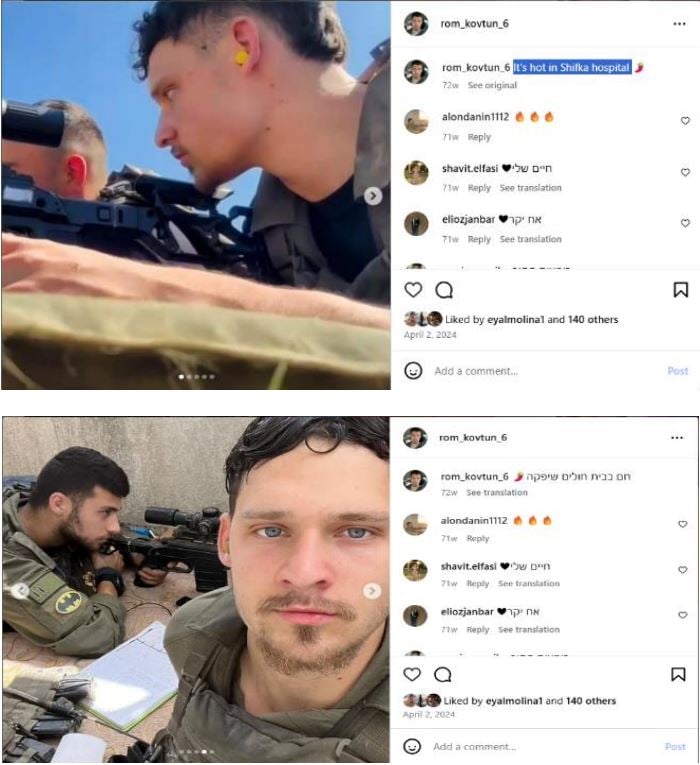
The legal document includes posts where the soldier boasts about his operations in Gaza, as well as records placing him in the Philadelphia and Rafah corridors following the operation at the mentioned hospital.
Despite this evidence, Israel’s ambassador to Chile, Peleg Lewi, posted an image of the lawsuit’s entry certificate on X, claiming that the soldier was not in the country. He stated that the accusation «originates from radical Palestinian sectors in Chile and has been amplified by accounts and media seeking to import the conflict to attack Israel and confuse public opinion.»
Regarding this dissemination, Araya expressed concern over the public introduction of a document related to the lawsuit’s entry. «That document is not public (…) if the ambassador has access to that document, he should have had access to the lawsuit and thus to the evidence proving that he was indeed in the national territory,» he stated.

Possible Effects and Timeline of the Process
Now, it will be up to the court to decide whether to admit the lawsuit for processing. If accepted, it would mark the first action of its kind formally advancing in Chile under the principle of universal jurisdiction, paving the way for an investigation into events that occurred during the Israeli offensive in Gaza.
«It would be an important step for the country,» noted the lawyer, adding that the document exceeds 50 pages of legal justification, as part of an effort to detail the jurisdiction of Chilean courts.
He also warned that unless there is a precautionary measure like a national hold, the accused might leave the country. He recalled a case in Brazil, where after initiating a similar procedure driven by the same foundation, the Israeli citizen left the territory before judicial restrictions were imposed.
Regarding his personal motivation, Araya explained that his decision is rooted in his legal training and participation in international organizations. «We are not pursuing the people of Israel. We are trying to ensure that international criminal law and human rights are protected and guaranteed,» he stated. «The nationality of this person is irrelevant; what matters are the war crimes they are committing.»
The court is expected to make a decision in the coming days, although the legal complexity and political context could influence the timelines. «We are waiting for the court to declare the admissibility of this lawsuit to start changing, even just a little, the impunity of war criminals,» concluded lawyer Pablo Araya.
By Jon Navarro, Journalist
Continue reading about this case:
El Ciudadano