Original article: Embalse Zapallar: Comisión mantiene aprobación pese a vacíos clave en su evaluación ambiental
By Catalina Barrios Benavente
The Zapallar Reservoir project is a major water infrastructure initiative led by the government aimed at damming the Diguillín River in the Ñuble Region to collect water for agricultural irrigation.
Located in the Diguillín Valley, the initiative includes the construction of a large-scale reservoir, along with a network of distribution canals that would traverse various municipalities in the region.
On Friday, January 9, the Environmental Evaluation Commission (CEA) of Ñuble Region rejected an invalidation request against the Environmental Qualification Resolution (RCA) of the Zapallar Reservoir project, thereby maintaining its environmental approval and allowing the initiative to proceed with its processing.
This decision was made during an extraordinary session, despite concerns raised by socio-environmental organizations and communities in the affected areas.
The project, driven by the government as part of its water infrastructure policy, has faced scrutiny regarding its social and environmental impacts, as well as significant gaps in its evaluation.
Socially, the reservoir would lead to the flooding of agricultural lands and the displacement of families in the Diguillín River Valley, adversely impacting local economies, rural lifestyles, and the territorial ties of communities historically reliant on the river.
Compounding this situation is a critical issue: the absence of an Environmental Impact Study for the distribution canals, essential infrastructure for the reservoir’s operation that would justify its construction.
This study has been delayed for over four years and remains unsubmitted, leaving communities in the municipalities of San Ignacio and El Carmen, which would be directly affected by this canal network, in total uncertainty.
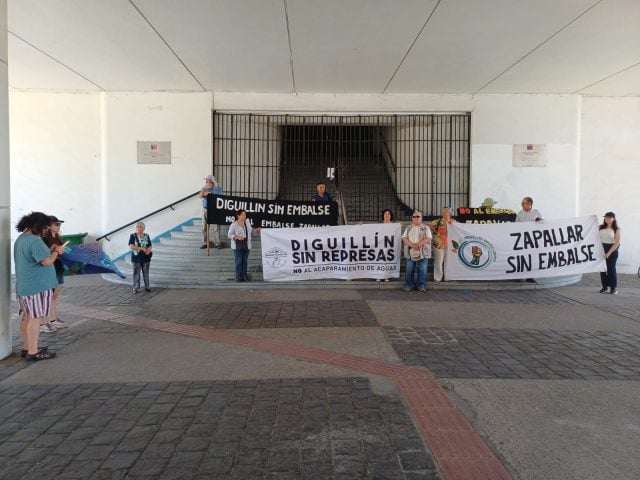
Organized communities from the area question the progress of the project without a comprehensive evaluation.
Valentina Ibarra, representative of the Unión Diguillín Committee, pointed out that the Commission’s decision “leaves communities in a state of total insecurity, as the project moves forward without addressing the real impacts it would have on farming families and the river. We will continue this fight because it’s about more than just a reservoir; it’s about defending our territory, our water, and our way of life.”
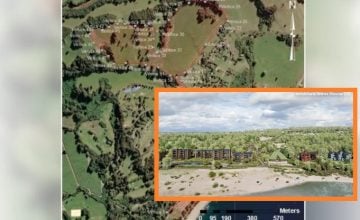
From an environmental perspective, the Zapallar Reservoir would result in the flooding of nearly 400 hectares, including native forests and sections of the Nevados de Chillán – Laguna del Laja biological corridor, recognized as a Biosphere Reserve. The habitat loss and alteration of the natural dynamics of the Diguillín River would lead to significant impacts on the territory’s biodiversity, which socio-environmental organizations regard as irreversible.
Following the vote, Ricardo Frez, a lawyer for the Environmental Defense NGO and legal representative of the Unión Diguillín Committee, stated that the outcome was expected given the political nature of the instance.
“This is a government project, so we did not anticipate that the government would reject its own initiative. This denial is a necessary step to bring the case to the Environmental Tribunal, which is a more technical and objective body where we hope for a thorough review of the real impacts and the shortcomings we have reported for years,” Frez asserted.
Organizations emphasize that the conflict is far from over. The retention of the RCA without a complete environmental assessment of the project—including the distribution canals—reinforces, they warn, a model of water management that prioritizes large projects over the protection of ecosystems and the rights of rural communities.
Communities and organizations have announced they will continue the battle, taking the case to the Environmental Tribunal while advocating for an integral, transparent environmental assessment with effective participation from the affected territories.
El Ciudadano
Relacionados
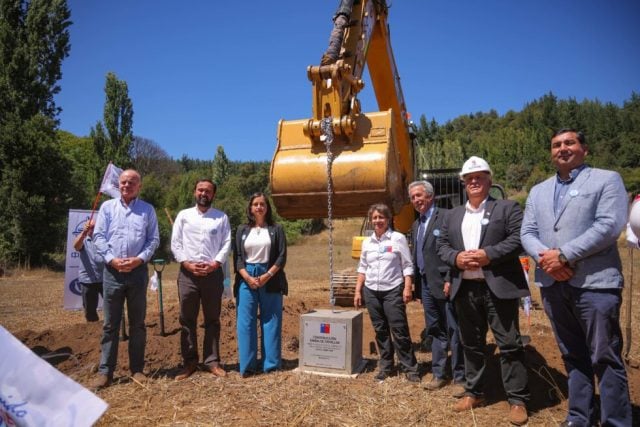
Construction Begins on Zapallar Reservoir in Ñuble, Set to Irrigate 10,000 Hectares of Agricultural Land
Hace 4 días

Ecuador: CONAIE Raises Alarm Over Noboa's Mining Law, Warns of Risks to Territories and Water Resources
Hace 2 semanas
Over 7,000 Demand Suspension of Rare Earth Project in Penco Following Devastating Wildfire
Hace 2 días