Original article: Otra condena, la cuenta sigue: Krassnoff recibe 15 años y acumula más de mil por crímenes de lesa humanidad
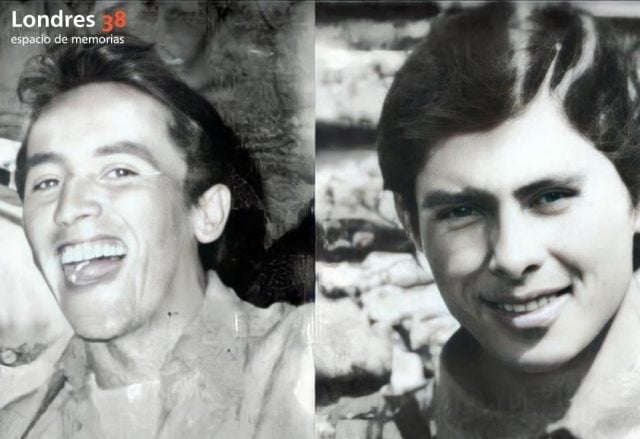
In the closing days of 2025, justice once again identified the machinery behind forced disappearances: extraordinary visiting minister Paola Plaza from the Santiago Court of Appeals issued a first-instance ruling, sentencing former Army brigadier and DINA agent Miguel Krassnoff Martchenko to 15 years in prison as the author of the crime of qualified kidnapping of University of Chile student Dignaldo Herminio Araneda Pizzini, who was detained on August 10, 1974 and remains missing to this day.
This sentence adds not only years but strikes a blow where it hurts the most. With this ruling, Krassnoff—a historic figure of repression—accumulates over a thousand years in prison for his involvement in crimes against humanity.
As families continue to push cases that span decades, attorney Carolina Vega from Caucoto Abogados succinctly summed it up: «The sentence rendered marks a significant milestone for the plaintiffs, as more than 50 years have passed, and only now has a first-instance ruling been issued for the qualified kidnapping of Dignaldo Araneda Pizzini. The family has awaited decades for a modicum of justice, and only now do they begin to see concrete progress. In such hostile times for human rights, a new conviction against Miguel Krassnoff is an act of justice.»
This «modicum of justice» arrives late, but it arrives nonetheless. Because at the heart of this case is not just a number: it is a name that vanished and a family condemned to search, inquire, and wait.
New Sentence Against Krassnoff in the Dignaldo Araneda Case
In the investigation, the magistrate established that Dignaldo Herminio Araneda Pizzini, a member of the Revolutionary Left Movement (MIR), was detained on August 10, 1974, at a residence where he temporarily stayed in Santiago: the home of the Quevedo Godoy family in La Reina. Around 2:30 AM, a group of individuals arrived at the location, entered the house armed, and identified themselves as DINA agents.
They gathered those asleep in the house, requested identification cards, and displayed a search warrant to detain Agustín Quevedo Godoy. The identification cards were returned, except for one: that of Dignaldo Araneda. He was arrested without any reasons given, nor was the destination revealed. This scene—a detention without explanation, no clear record, and no informed destination—is part of the pattern that characterized forced disappearances.
Later, Araneda was identified by witnesses at the DINA headquarters Londres 38, which was, according to the established facts, headed by Army Major Marcelo Noren Brito (now deceased), with Army Captain Miguel Krassnoff Martchenko and Carabinero Lieutenant Ricardo Víctor Lawrence Mires (also deceased). He was last seen at Cuatro Álamos, the final place where he was seen alive. To this day, his whereabouts remain unknown.
The ruling situates the events within a context of forced disappearances and cruel, inhuman treatment for political reasons, during a period of persecution against members and sympathizers of the MIR. Araneda had changed his studies and residence from Concepción to Santiago specifically due to the surrounding political violence.
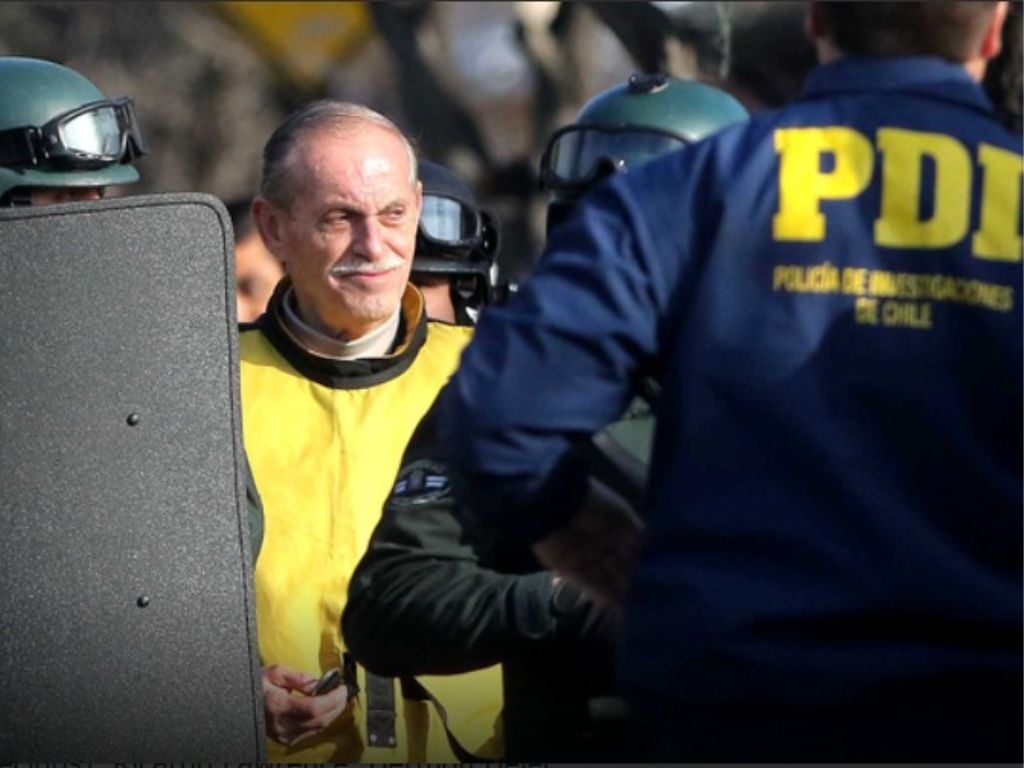
Krassnoff, Punta Peuco, and Political Whitewashing
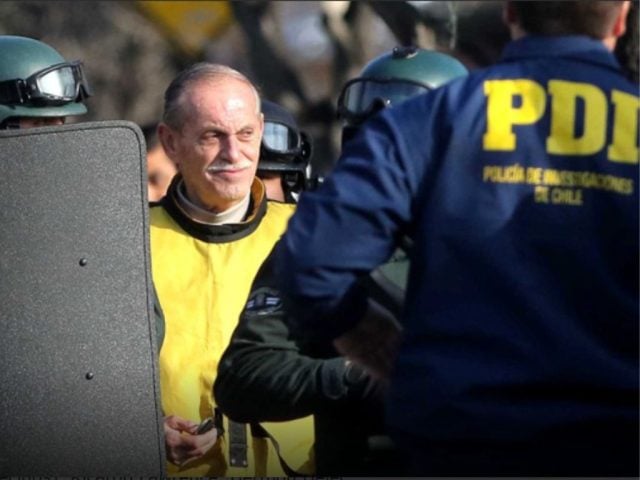
Krassnoff, known as «The Russian«, is serving his over 1,000 years of prison time at the former Punta Peuco—now Til Til prison—and has never acknowledged his involvement in the crimes committed under DINA’s command. Despite repeated convictions, he continues to be a living symbol of the systematic repression exercised during the dictatorship.
Another striking point for the Chilean audience is the support—or relativization—some right-wing sectors have given to repressors. In 2017, in an interview with T13 Radio, José Antonio Kast referred to the crimes for which Krassnoff is convicted as «things said about him«.
He added, attempting to validate the former military’s version: «I have visited Punta Peuco twice, and on one of those trips, I had the opportunity to meet him. He gave me his book and presents his version of events. I know Miguel Krassnoff, and having seen him, I do not believe all the things said about him.»
While justice continues to yield verdicts and the country accumulates memory, such statements reveal that the battle for meaning is fought not only in courts but also in the public narrative. Hence, each new conviction of Krassnoff is not just «another sentence»: it is a signal that, although delayed, the file for the truth is still open.
Review the Ruling Here
Conviction of Krassnoff for Kidnapping of MIR Activist by lahuanche
Relacionados
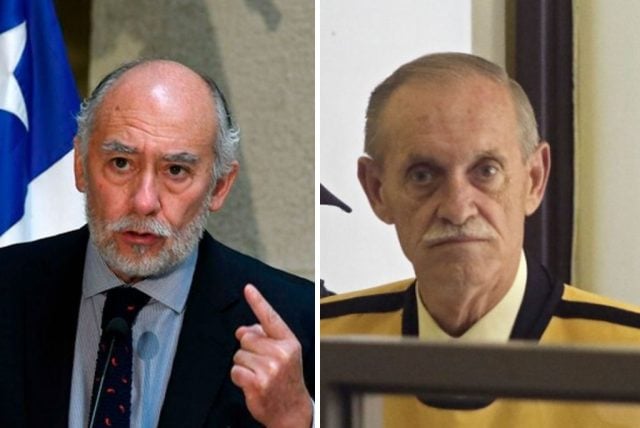
Senator Flores Opposes Bill That Could Release Krassnoff from Prison Amidst Human Rights Concerns
Hace 1 mes
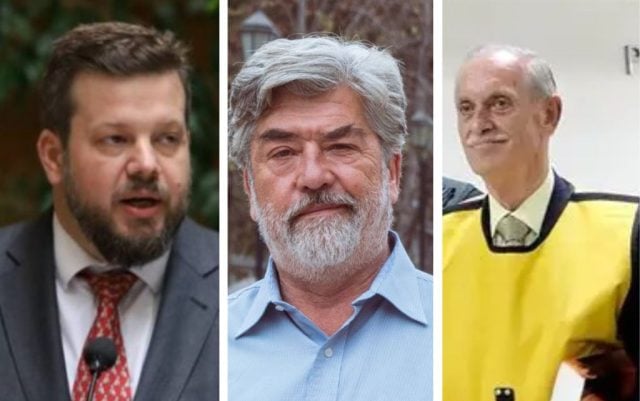

Miguel Krassnoff Reemerges in Debate: Gladys Díaz's Testimony Exposes the Brutality Behind Kast's Proposals
Hace 2 meses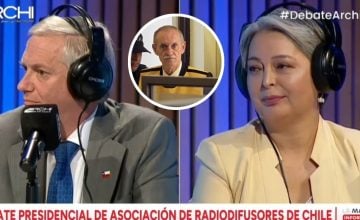
"Human Rights Criminals Like Krassnoff Don't Deserve Mercy": Jara Rejects Pardons in Archi Debate
Hace 2 meses