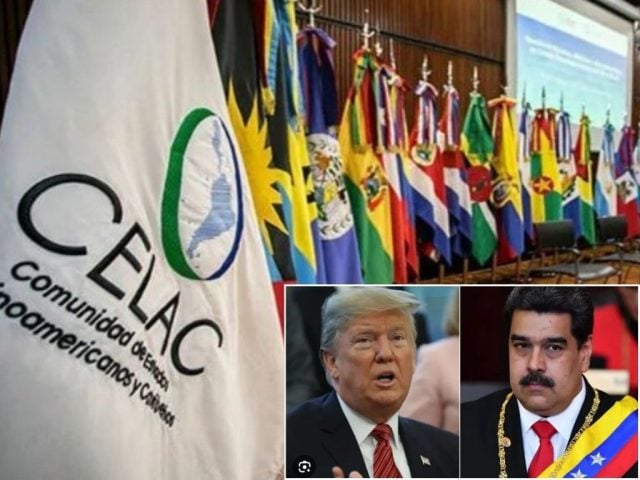
Original article: Argentina a la cabeza: Perú, Bolivia y Ecuador, junto a otros seis países, torpedearon la condena de la CELAC a EE.UU. por la agresión en Venezuela
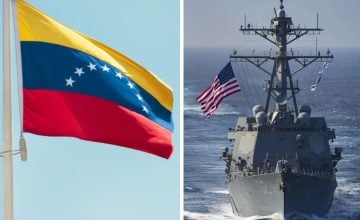
In a significant political move that heightens tensions within the regional agenda, the Community of Latin American and Caribbean States (CELAC) concluded an extraordinary summit without a joint declaration concerning Venezuela. The reason: a bloc of ten countries, led by Argentina and including Peru, Bolivia, and Ecuador, refused to support a CELAC condemnation of the United States for its aggression and military operations that led to the kidnapping of Nicolás Maduro and his wife, Cilia Flores.
The virtual meeting was urgently convened by the pro tempore presidency held by Colombia. In this context, Venezuelan Foreign Minister Yván Gil called upon the 33 member states to take a stand: «The countries of CELAC must step forward, because silence in the face of this aggression amounts to endorsing it.» He emphasized further, stating, «CELAC cannot waver. It cannot be divided between tepid condemnations and complicit silence,» while demanding the “immediate and unconditional” release of Maduro and Cilia Flores.
CELAC Condemnation: The Bloc That Halted Consensus
The blocking position included Argentina and nine other countries: Paraguay, Peru, Bolivia, Costa Rica, Ecuador, El Salvador, Panama, the Dominican Republic, and Trinidad and Tobago. In this group, Argentine Foreign Minister Pablo Quirno was reportedly among the strongest voices against a common statement.
This division was significant: the meeting aimed to establish a critical stance against U.S. military intervention in Venezuela, but internal disagreements left the forum without a shared text. While some governments pushed for a clear condemnation, the dissenting bloc insisted on questioning the legitimacy of the Venezuelan government and highlighted the institutional and humanitarian deterioration in the country over the past decade.
CELAC Condemnation vs. Alignment with Washington
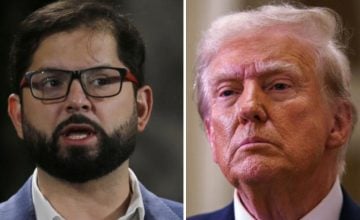
Prior to the meeting, Colombia, Brazil, Chile, Mexico, Spain, and Uruguay had already publicly expressed their rejection of the operations ordered by U.S. President Donald Trump, which resulted in the detention of Maduro and Cilia Flores in New York on charges related to drug trafficking and other federal crimes.
In contrast, the Argentina-led bloc began working on an alternative statement supporting Washington’s actions. From this perspective, the detention of Maduro would mark a “turning point” regarding a power system criticized by international organizations — like the UN and the International Criminal Court — for serious and ongoing human rights violations. This stance effectively consolidates Buenos Aires’ alignment with the United States on one of the most sensitive issues in the Latin American agenda.
Tough Rhetoric and a Divided Region
During the summit, foreign ministers and diplomatic representatives from Cuba, Nicaragua, Uruguay, Venezuela, and Colombia made emphatic interventions against U.S. military incursions. In particular, Cuban Foreign Minister Bruno Rodríguez denounced the “vile and criminal aggression” by the United States against civilian and military facilities in Caracas, warning that “they flagrantemente violate the UN Charter, international law, and the sovereignty and territorial integrity of the Venezuelan people.”
On the side supporting Venezuela, it was noted that Yván Gil’s call received backing from Gustavo Petro, Luiz Inacio Lula Da Silva, Claudia Scheinbaum, and Gabriel Boric. Nonetheless, the dissenting bloc’s opposition prevented a regional declaration from being finalized.
With the summit concluding without consensus, the immediate political outcome is clear: a divided CELAC on matters of sovereignty and continental security, with Chile positioned among those rejecting U.S. incursions and Argentina openly promoting the opposing line.