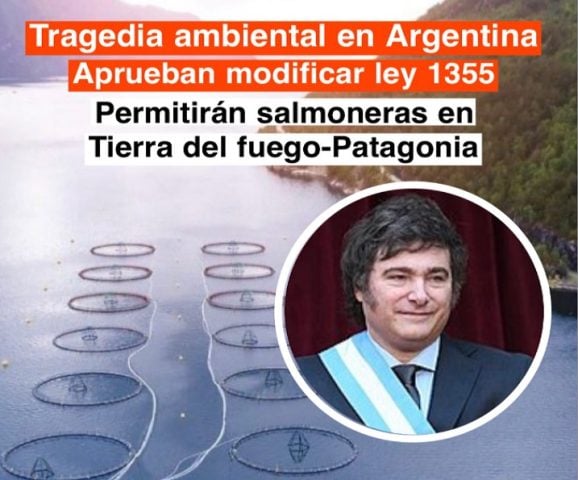
Original article: Patagonia argentina en alerta: Aprueban modificar ley que permitiría importar el “desastre salmonero chileno” en Tierra del Fuego
Towards an Environmental Tragedy in Argentine Patagonia?: New Legislation Could Permit Salmon Farming in Tierra del Fuego
Environmental leaders and residents of Chilean Patagonia are voicing serious concerns and strong opposition to the recent amendment of the law that once protected the waters of Tierra del Fuego, warning of severe risks to the shared Patagonian ecosystem.
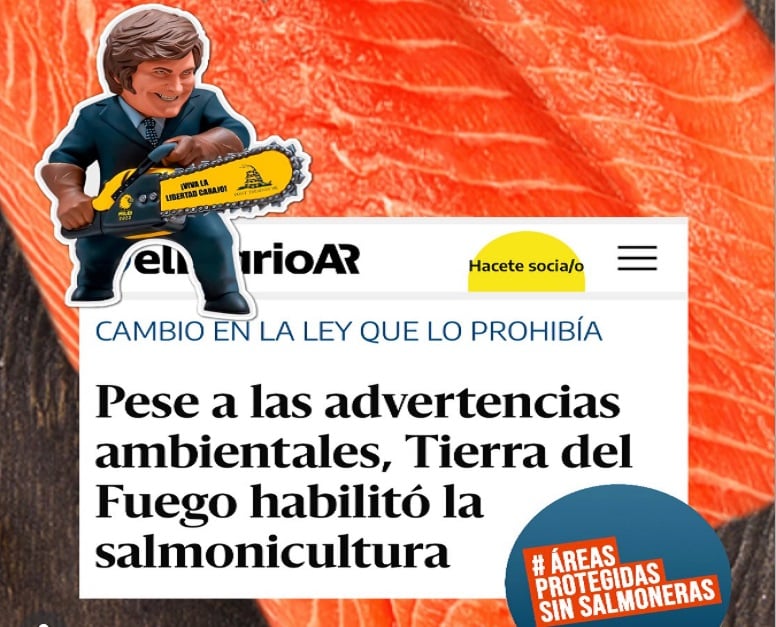
The citizen campaign Protected Areas Without Salmon Farms described the decision as a «historical setback.» In a statement laced with irony and sorrow, they noted: «Today, Tierra del Fuego ‘celebrates’ the ‘modernization’ of Law 1355: goodbye to the absolute prohibition on salmon farming, hello to ‘sustainable aquaculture’ with strict controls.»
The statement directly blamed the government of Javier Milei and Governor Gustavo Melella, claiming that «the environmental chainsaw finally reaches the end of the world,» which they view as a surrender to local and Norwegian corporations.
Similarly, from Chile, the campaign account defend_patagonia_ denounced a «serious environmental regression.» They detailed that the Argentine provincial legislature approved the amendment on December 16, 2025, which “opens the door to the polluting Norwegian-Chilean model of salmon farming.”
The organization emphasized that this decision «prioritizes foreign economic interests over the environment and the will of the people,» betraying a historical consensus reached in 2021.
Street protests have also erupted in response. A video released by Defend Patagonia depicted local citizens labeling those voting in favor as «traitors to the people» and «corrupt.» The footage, which captured a narrow vote of 8 to 7, claims that legislators «have opened the door to the devastation of the Sea of Tierra del Fuego.» From Chile, they expressed: «We regret this decision and wholeheartedly support the community and organizations defending the sea and Patagonia in our neighboring country.»
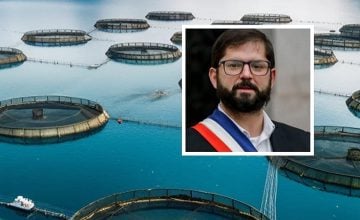
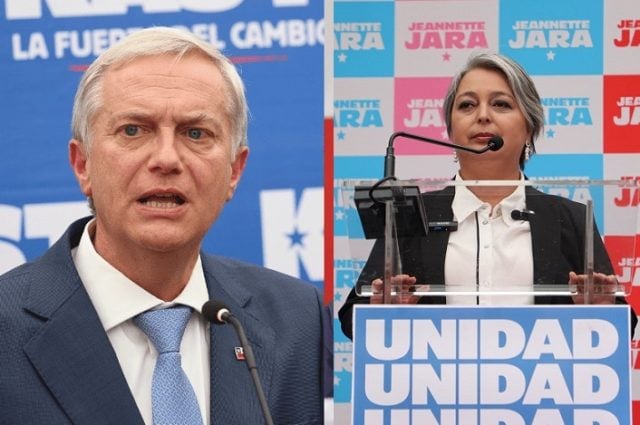
The analysis of this event is further contextualized by the recent meeting between Presidents Javier Milei and newly elected Chilean leader, José Antonio Kast. Illustrator and cartoonist Alejandro Loika framed the encounter, linking the «meeting that endangers Patagonia and environmental laws» with the approval of the reform. He noted that after the meeting, both posed with Milei’s iconic chainsaw—a gesture that symbolically signals prioritizing investment over natural protection for environmentalists.
Critics focus on the anticipated impacts. Posts converge on warnings regarding the introduction of «giant cages» with salmon «administered antibiotics,» «mass escapes devouring biodiversity,» and «marine floors turned into sewers.» They assert that this would not only irreversibly damage the pristine Beagle Channel but also harm tourism and artisanal fishing, generating only «precarious jobs» in return.
Chilean Patagonian representatives, armed with the experience of their own salmon crisis, view the import of this model with sadness and alarm. The question posed, «Who needs the pristine Beagle Channel when we can have the Chilean disaster 2.0?» raised by Protected Areas Without Salmon Farms, encapsulates the fear of replicating a known ecocide. An environmental mourning sentiment permeates the statements, declaring that «penguins are weeping» and that it is «a dark day for Patagonia.»
Finally, all sources agree that a fundamental legal barrier has been broken. What was a unanimous achievement four years ago, born from a long civic struggle, has been relaxed amid accusations of lobbying and irregular procedures. The final cry is one of resistance: «Defend Tierra del Fuego! Defend Patagonia!» a rallying cry that now transcends borders, uniting communities from both countries in defense of their shared territory.
Relacionados
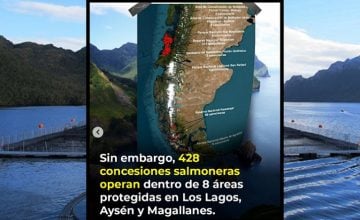
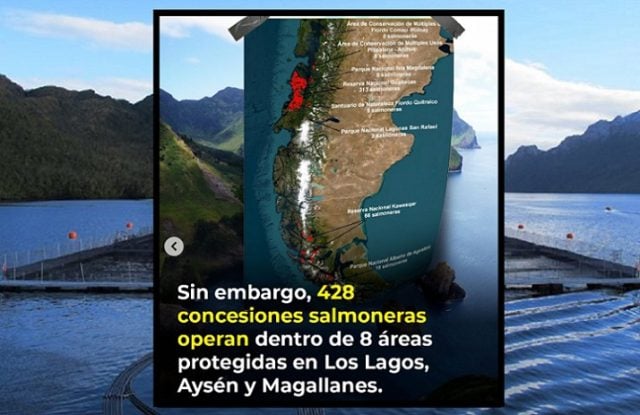
Organizations Declare 'Salmon Sacrifice Zone' in Protected Areas of Chilean Patagonia Amid Environmental Concerns
Hace 3 meses