Original article: Por retroceso argentino: Chile refuerza alerta ante aumento del sarampión y llama a su población a vacunarse
Argentina’s Vaccine Coverage Drop Triggers Chile to Strengthen Measles Alerts and Call for Vaccination
The Chilean Ministry of Health has heightened its epidemiological alerts following a sustained rise in measles cases across Latin America, particularly in Argentina.
The nation, led by the far-right administration of Javier Milei, is experiencing an increase linked to a historic decline in childhood vaccination rates, raising concerns among neighboring countries.
Though Chile has not reported any indigenous cases for years—the last was an imported case in 2023—the current situation has led to enhanced preventive alert monitoring, which was implemented in June and remains in effect.
Additionally, following Canada losing its “elimination” status for measles, countries in the Americas have similarly lost this classification.
Measles is a highly contagious disease that can spread from an infected person to between 12 and 18 others. The Pan American Health Organization has reported more than 12,900 cases in the Americas this year, increasing the risk of the virus re-entering countries that had previously controlled it.
Epidemiologist Olivia Horna Campos from the Epidemiology Program at the University of Chile’s School of Public Health explains that the heightened risk for Chile is directly linked to existing vaccination gaps in the country: «Chile faces a significant risk of importing the virus, particularly due to declining childhood vaccination rates in the region,» she stated.
Horna detailed that these gaps are especially pronounced for the second vaccine dose: «Regions in the north, such as Arica and Antofagasta, report coverage below 70% for the second dose, and some areas do not even reach 95% for the first dose.» This scenario could facilitate localized outbreaks.
Triple Viral Vaccine, Active Surveillance, and Risk Communication: Key Strategies to Contain Measles
The triple viral vaccine, also known as MMR, is a combined vaccine that protects against measles, rubella, and mumps.
In Chile, it is free, available throughout the public healthcare system, and is part of the mandatory childhood vaccination schedule, achieving effectiveness of 99% when the two required doses are administered. Due to its high efficacy and safety, it is the central tool for preventing outbreaks.
Despite this, national adherence to the second dose reached only 78.9% in 2024, raising alarms among health authorities and the academic community. Therefore, Horna emphasizes: «It’s important to call on the population to check and complete vaccination schedules, especially for children, adolescents, recent migrants, and travelers.»
Regarding the role of healthcare personnel, Horna stressed the importance of early suspicion: «Medical staff must maintain a high index of clinical suspicion for individuals who have traveled from countries with measles cases and who present fever or rashes. They must notify promptly and follow surveillance protocols,» she noted.
Finally, the epidemiologist highlighted the importance of herd immunity to prevent the resurgence of diseases that have already been controlled: «Vaccination is not only an individual protective measure. By vaccinating nearly the entire population, we reach the 95% target and create herd immunity, preventing the reappearance of diseases such as measles.»
Symptoms, Transmission, and Progression of Measles
Measles is characterized by a clinical picture that typically begins with a high fever—usually above 38°C—accompanied by severe cough, conjunctivitis, and nasal congestion or discharge (rhinorrhea).
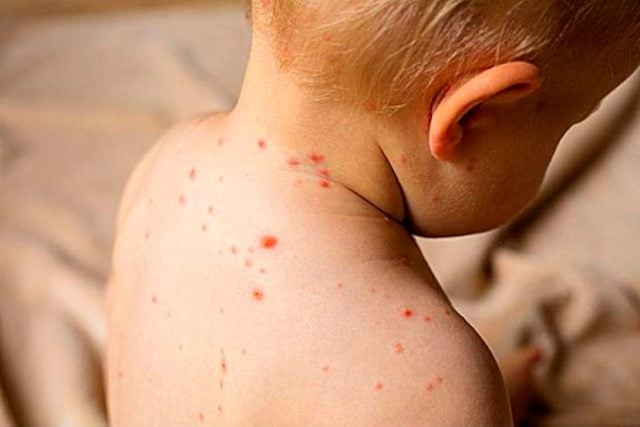
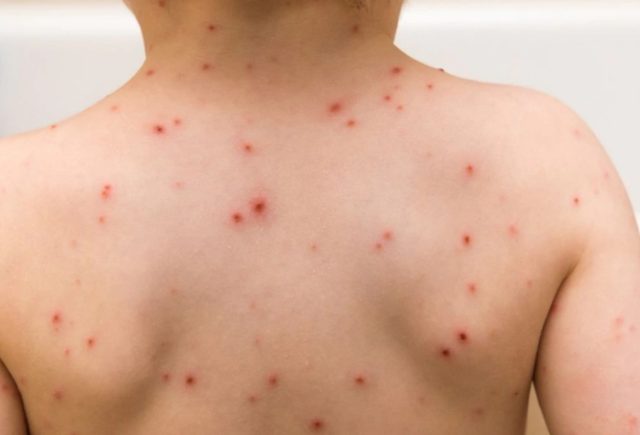
Days later, a typical maculopapular rash appears, starting on the face and progressively spreading to the rest of the body.
The disease can cause severe complications such as pneumonia, otitis, severe diarrhea, and, in less common cases, encephalitis.
It is an airborne disease with highly efficient transmission: the virus spreads through respiratory droplets released when coughing, sneezing, or talking, and can remain suspended in the air for hours in closed spaces.
For this reason, an infected person can spread the virus to between 12 and 18 susceptible individuals, making it one of the most contagious diseases known.
The Citizen
Relacionados
Health Ministry Urges Vaccination for Children Against Measles Following New Imported Case
Hace 4 semanas
Detection of Influenza A(H3N2) Subclade K Confirmed: 2025 Vaccine Remains Effective Against Severe Disease
Hace 2 meses
Supreme Court Rules Against Isapre Cruz Blanca for Denying Oncology Treatment Coverage Included in GES Package
Hace 2 meses