Original article: Le pelaron el tronco al Coihue Abuelo de 600 años: CONAF denuncia grave daño en reserva nacional de Los Ríos
Authorities Alarmed by Serious Damage to 600-Year-Old Coihue Tree in Los Ríos National Reserve
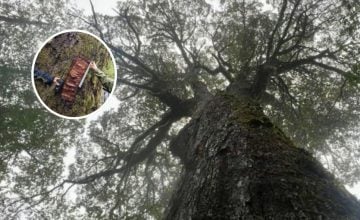
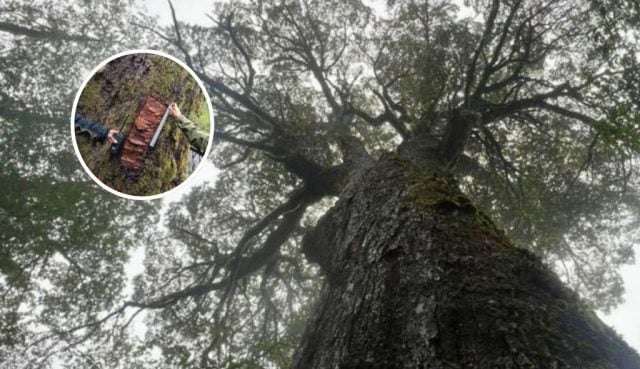
The Coihue Abuelo is no ordinary tree. With over 600 years of life, this giant of the native forest has endured wildfires, storms, and environmental changes that have transformed the territory. However, it has never faced the direct attack of human hands, which have torn away a piece of its bark within a protected area, leaving an open wound that threatens its health and the surrounding ecosystem.
A Warning Sign in the Reserve
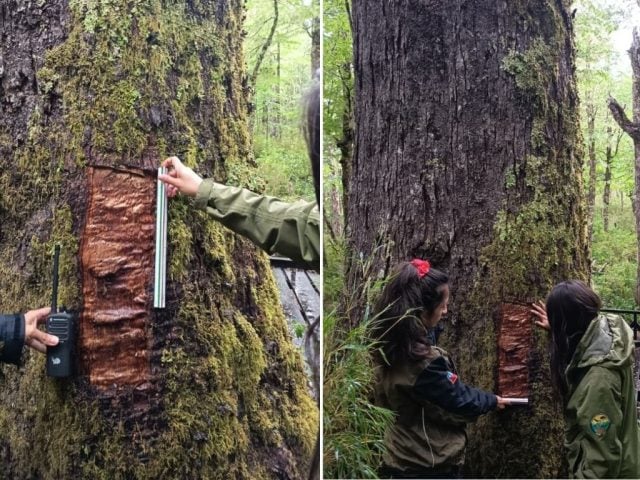
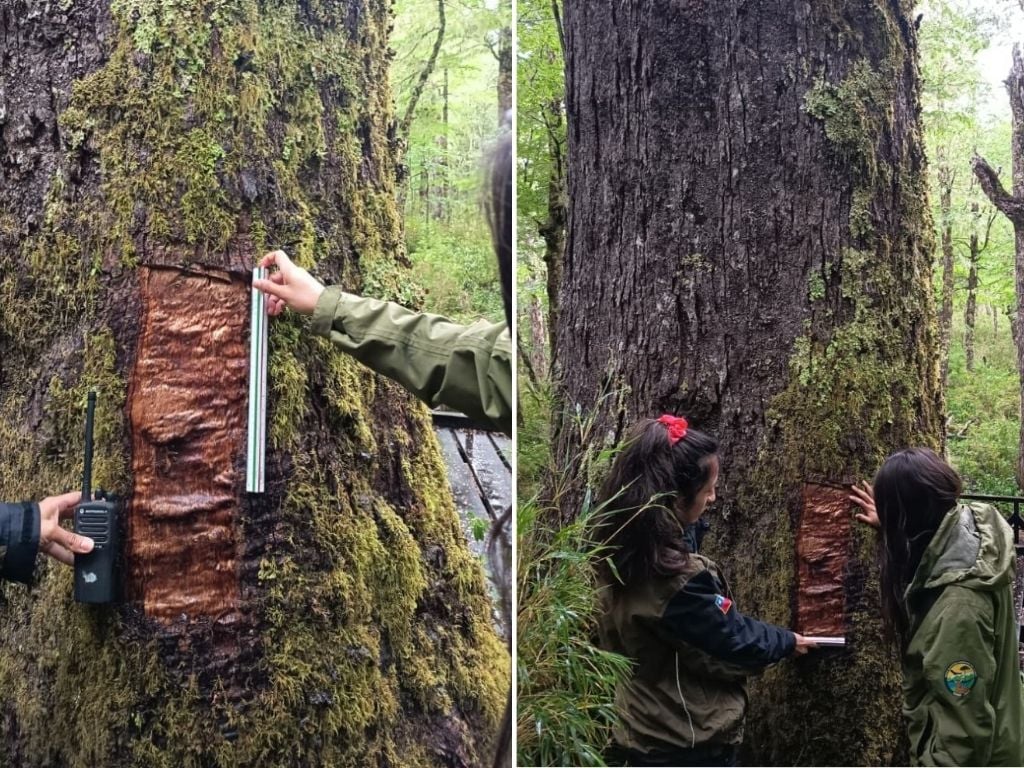
During a routine inspection in the Mocho Choshuenco National Reserve (Los Ríos Region), officials from CONAF discovered the damage: a recent vertical cut on the trunk, significant enough to compromise the tree’s natural protection. The bark removal not only violates Law 20.283 concerning native forests but also weakens the tree’s defense system, opening it up to fungi, bacteria, and other pathogens.
“We consider this incident grave,” stated Arnoldo Shibar, the regional director of CONAF, emphasizing the urgent need to bolster protection in the Mocho Choshuenco National Reserve against such acts of aggression.
When a Tree is Damaged, an Ecosystem is Damaged
In the temperate rainforest, the coihue provides life: shade, humidity, refuge for birds and insects, and serves as a structural pillar for ecosystem balance. Damaging a 600-year-old specimen not only affects the tree but also impacts the entire web of species that depend on it.
A clear analogy has emerged to illustrate the situation: removing a tree’s bark is like stripping a person’s skin, as Chibar explained to Radio Bío Bío Valdivia. The bark regulates moisture, protects against infections, and maintains vital functions. Without it, the Coihue Abuelo is left exposed.
CONAF Activates Protection Measures
Following the identification of the damage, CONAF announced a series of immediate actions:
- Fencing off the area where the tree is located to prevent further unauthorized approaches.
- Boosting patrolling efforts in the reserve, particularly on heavily trafficked trails.
- Conducting a technical and health assessment of the specimen to determine the extent of the damage.
- Increasing the presence of park rangers and installing educational signage.
Additionally, penalties for damaging native flora in wild areas can reach up to 50 UTM per affected tree and can even lead to criminal charges if there is intent to cause harm.
An Urgent Call for Environmental Responsibility
Cristián Álvarez, the unit’s administrator, explained that the damage was detected only a few days ago and was not present in previous inspections. According to his team, the wound poses “serious” consequences, as the exposure of internal tissue facilitates the entry of agents that can jeopardize the specimen’s survival.
CONAF’s response goes beyond just a penalty: it seeks to protect natural heritage. The Coihue Abuelo is part of the region’s identity and a living testimony of the forest that thrived in southern Chile long before significant human presence.
Caring for the Forest is Everyone’s Task
The agency reiterated its call to visitors of the reserve: do not touch, do not cut, do not interfere with native flora under any circumstances. Each visit should be an act of respect towards an ecosystem that, in times of climate crisis, needs more care than ever.
The damage to the Coihue Abuelo serves as a reminder of how fragile even the oldest beings in the forest can be. It is also a warning: the protection of the environment relies on collective decisions, from the regulations that impose penalties to the awareness of those who traverse protected areas.
Relacionados
Attack on a Heritage Icon: CONAF Reports Environmental Damage to 600-Year-Old Coihue Abuelo to Prosecutor's Office
Hace 2 meses
Le pelaron el tronco al Coihue Abuelo de 600 años: CONAF denuncia grave daño en reserva nacional de Los Ríos
Hace 3 meses