Original article: Tras fallo histórico, Gobernador de Aysén convoca a votación sobre espacios costeros a espalda de las comunidades
Aysén Governor Fails to Engage in Dialogue, Decides Fate of Two Indigenous Coastal Spaces, Overlooking Communities and Judicial Mandate
In a significant legal and cultural moment, the Supreme Court established a historic precedent on November 11, 2025, by accepting the protective actions filed by the Indigenous communities of Pu Wapi and Antünen Rain in the Aysén region. The highest court deemed previous rejections of their requests for Marine Coastal Spaces for Indigenous Peoples (ECMPO) as «arbitrary and illegal,» ordering regional authorities to issue a new ruling «with a well-founded resolution and strict adherence to existing norms.» This ruling reinforces that the Lafkenche Law and ILO Convention 169 are imperative frameworks, dismissing previous rejections based on «general policy criteria» or «merely economic or opportunistic considerations.»
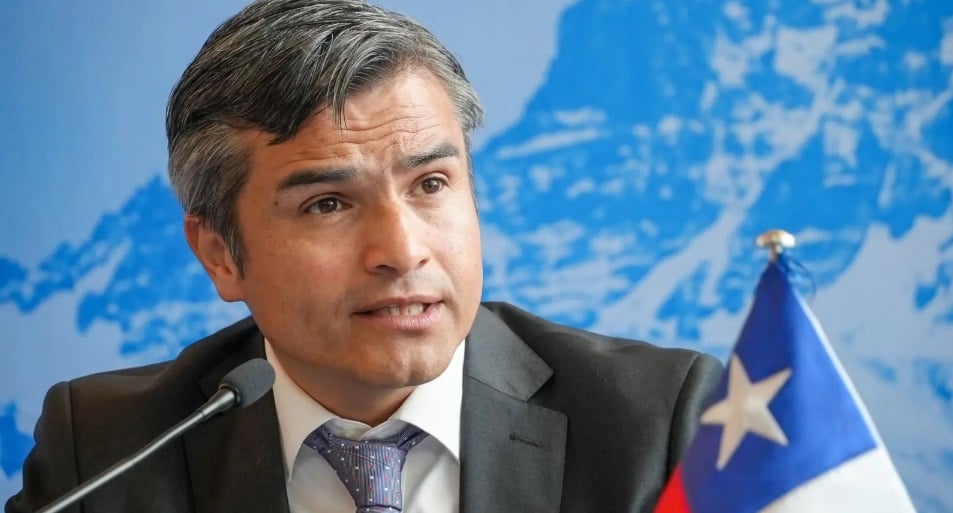
However, the pathway to restoration and the dialogue mandated by justice faced an abrupt interruption. Despite notification of the appellate court’s ruling on November 24, the Regional Government of Aysén, led by Marcelo Santana Vargas, reportedly proceeded hastily and opaquely, calling for a vote on the CRUBC of these same ECMPO on December 9 through Exempt Resolution N°4818 on November 26, without formally notifying the affected Indigenous communities, the sole and legitimate applicants.
This omission, highlighted in a formal letter by the legal representatives of the communities, constitutes a significant procedural flaw. Lawyers Felipe Guerra and Christian Paredes from the Citizen Observatory expressed in their letter to the Governor that «the lack of due notification… undermines the guarantee of proper administrative process,» violating Law No. 19.880. They added that this action «places their clients in a situation of helplessness» and strays greatly from the Supreme Court’s mandate to act with «strict adherence to regulations.»
The urgency of the call not only contravenes procedural safeguards but, as an unaddressed aspect that reveals a deeper refusal, deliberately frustrated the opportunity for genuine dialogue. By ignoring the explicit request to suspend the session to establish a dialogue forum, Governor Santana is effectively denying compliance with Indigenous rights regulations.
Notably, the Supreme Court had stressed the necessity for decisions based on «technical grounds, transparency, and intercultural dialogue,» a standard that regional authorities appear to be opting to circumvent, thereby closing off avenues for compatible uses along the coastline.
The Supreme Court’s resolution had been clear in restoring «the centrality of customary use as key evidence» and demanding that all restrictions be grounded in «strict, verifiable, and technically justified reasons.» The communities, in a spirit of concord, were already working on a proposal to modify polygons to reconcile their rights with other regional interests, as mandated by ILO Convention 169 and the UN Declaration on the Rights of Indigenous Peoples. This willingness to engage in dialogue has collided with a wall of unilateralism.
The refusal of the Governor to open channels of communication and comply with the necessary notification is not a mere formality; according to petitioners, it can be interpreted as non-compliance with a judicial order and disregards the state’s obligation to cooperate in good faith with Indigenous peoples before adopting measures that affect them, intensifying a conflict that the justice system sought to resolve equitably.
This episode in Aysén transcends local boundaries and stands as a critical test for the implementation of Indigenous law in Chile. The contradiction between a supreme ruling that expands guarantees and a regional authority that restricts them highlights the gap between legal recognition and its effective practice.
Relacionados
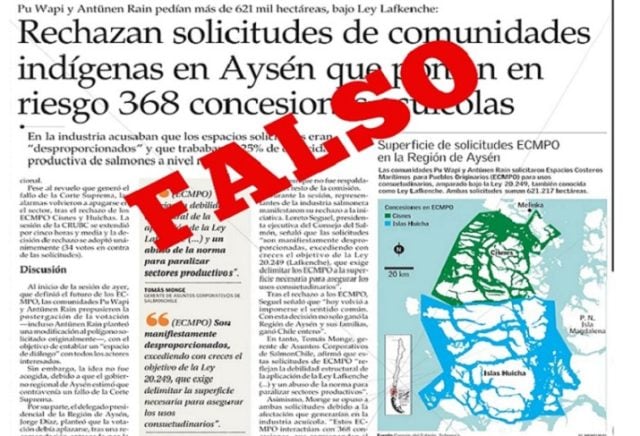
"It's a Distortion, a False Report": Authorities Deny El Mercurio's Claims About Coastal Spaces of Aysén Communities
Hace 3 meses

Coyhaique's Festival for Earth and Sea Highlights Socio-Environmental Conflicts in Aysén
Hace 1 semana
Lafkenche Law: Celebrated Worldwide in 2025, Faces Political and Business Challenges in Chile
Hace 2 meses