Original article: Chile: Desarrollan nuevo sensor de alta precisión para medir la contaminación lumínica
Light pollution, caused by excessive artificial light in populated areas, poses a global problem that impacts astronomy, ecosystems, and human health, a situation exacerbated by the use of LED lighting in urban settings.
In Chile, which accounts for 40% of the world’s astronomical capacity, this type of pollution jeopardizes a vital scientific heritage, with estimated losses of up to 500 million dollars for every 10% increase in light pollution.
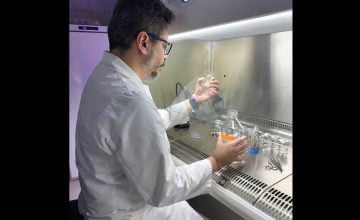
In response to this challenge, Christof Reinarz, a graduate student in Electrical Engineering at the Catholic University of Valparaíso, is conducting research – funded by the University Research Valuation Contest (VIU) of the National Agency for Research and Development (ANID) – aimed at designing and developing a scientific-grade sensor to measure light pollution, specifically the brightness of the night sky in very low-light environments.
The researcher explained that light pollution diminishes the scientific value of astronomical observatories, disrupts biodiversity, and adversely affects human health. He stated that the instrument proposed in this project «will allow us to quantify and monitor this phenomenon to protect observatories, national parks, and reserves, facilitating the implementation of both corrective and preventive mitigation measures.»
«Our proposal is to develop a sky brightness meter that offers significantly greater sensitivity than traditional sensors, enabling precise measurements even in extreme darkness,» added Christof Reinarz.
New Technology
Light pollution affects biodiversity and even harms humans, particularly due to the blue light emitted by LED fixtures, which disrupts circadian rhythms and interferes with sleep. The brain, thinking it is daytime, suppresses melatonin production – the sleep hormone – leading to difficulties falling asleep, fatigue, and disruption of the body’s biological clock.
Currently, the sensors used to monitor light pollution lack the necessary sensitivity to make accurate measurements in protected areas.
Thus, the device being developed by Reinarz is high precision, capable of detecting minimal variations in light.
«Our proposal is based on a relatively low-cost type of sensor that is more robust than a camera, easy to handle, and of scientific quality, which has never been used to measure sky brightness or light pollution, representing a significant innovation in this field,» stated the researcher from PUCV.
Light Regulation
The new Law 19.300 regarding the General Environment Framework, which came into effect in October 2024, establishes that projects located in or near areas with scientific and research value for astronomy must undergo Environmental Impact Assessments to demonstrate measures regarding their light impact.
This new regulation also differentiates between the fixtures installed in special protection areas that correspond to regions with scientific and research value for astronomy, biodiversity protection areas, and zones critical for breeding and communities most impacted by light pollution, as outlined in the Species Recovery, Conservation, and Management Plan (Plan RECOGE).
«Our dark skies, which should be filled with stars, are slowly disappearing. Light pollution is invisible to many, but its effects are profound. We believe this project will help protect natural reserves and Chile’s astronomical heritage,» emphasized Christof Reinarz.
Meanwhile, the University, through its Innovation Directorate, supported the project application and management at all stages: formulation, administration, financial management, and monitoring.
Specifically, the Faculty of Engineering and the School of Electrical Engineering at PUCV provided access to the Sensor Laboratory (LabSens), directed by Professor Sebastián Fingerhuth; the Photometry Laboratory, managed by Iván Kopaitic; and the Optoelectronics Laboratory (OptoLab), overseen by Professor Esteban Vera, who contributed significantly to the VIU contest application.
«Together, these teams have secured multiple ANID projects (FONDEF-ViU, FONDEF-IDeA, and Anillo), which has provided invaluable experience. Finally, the Master’s Program in Engineering Sciences, with a mention in Electrical Engineering, was fundamental since it provided the framework for the idea and, through simulations, the technical aspects of the project were formulated,» concluded Reinarz.
The Ciudadano
Relacionados
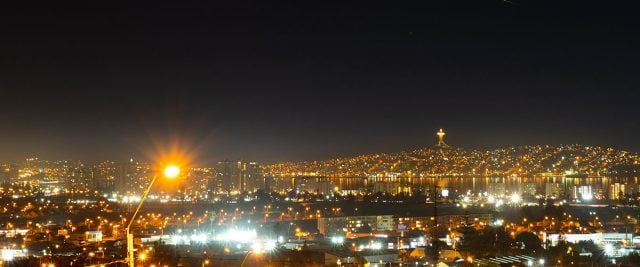
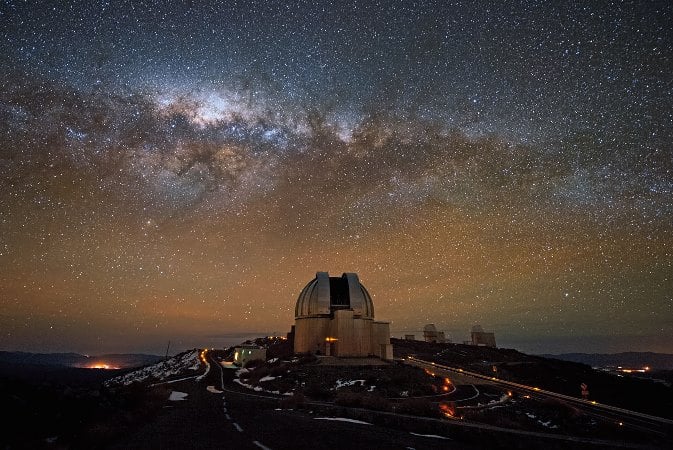
Current Regulations Insufficient: Lawmakers Endorse Bill to Safeguard Skies Valuable for Astronomical Observation
Hace 2 meses
Study Confirms Bike Lanes Reduce Conflicts Between Cyclists and Pedestrians in Santiago
Hace 4 meses
Allegations Against Reinaldo Ulloa Shipping and Multiexport: Environmental and Safety Violations in Salmon Farming
Hace 3 meses