Original article: Contraloría investiga sin plazos de salida contratos Codelco–SQM y deja incierto el control del litio hasta 2060
The future of lithium in Chile, and one of the most contentious economic agreements in recent years, is currently in limbo. Despite the recent approval from the Chinese antitrust regulator, the alliance between Codelco and SQM cannot proceed until the General Comptroller of the Republic thoroughly reviews the contracts, amounts, and terms under which the exploitation of the Salar de Atacama is set to be extended for decades. The decision from this oversight body, currently analyzing documents that were hidden from Congress and contain unknown clauses, could entirely reshape the National Lithium Strategy and set a precedent for state and mining company relations. While the government insists this is a «key» advancement, the Comptroller holds the power to halt, amend, or even dismiss the agreement that Codelco negotiated «behind closed doors» with the company controlled by the Ponce Pinochet clan.
By Lucas Saez Hernández
The Comptroller has requested access to the controversial contracts established by Codelco CEO Máximo Pacheco, which highlight the negotiations and the payments between the mining company and SQM. Furthermore, it is expected to receive key documents related to the questioned financial advisory from the financial services company, Morgan Stanley. It is worth noting that some of these documents were previously provided by Pacheco to the congressional investigative committee, but much of their content was redacted, especially those indicating associated payments.
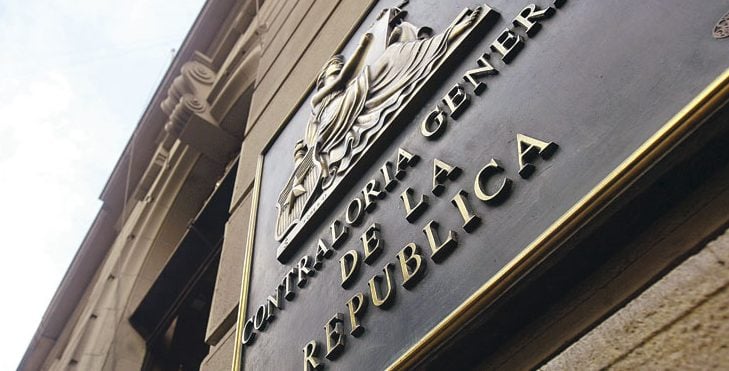
The Comptroller is evaluating a potential resolution (though without a specified deadline), which keeps the signing of the Codelco-SQM alliance in suspense.
According to sources confirmed by El Ciudadano, the state oversight agency has indeed accessed the official documents in their entirety, and is assessing a possible resolution (though without a set deadline), which maintains the signing of the Codelco-SQM alliance in suspense.
This step aims to clarify and ensure the transparency of the Codelco negotiation, ensuring that every stage of the agreement complies with the relevant legality and integrity, considering Pacheco’s past and his reluctance to provide information during the congressional investigative committee proceedings.
A «Behind Closed Doors» Negotiation
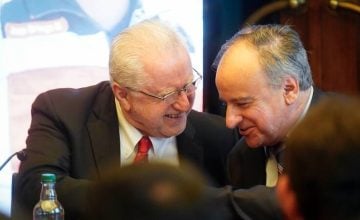
In this context, attorney Mauricio Daza stated in an interview with El Ciudadano that «we are in a serious situation that demands the utmost transparency possible. We are talking about the fate of one of the state’s greatest resources for the next 35 years, so it cannot be subject to confidential conditions,» as Máximo Pacheco previously indicated.
According to Daza, the unwillingness to provide complete information signals that there may be «illegal clauses or that could severely harm the state’s interests, excessively benefiting SQM. This agreement demands maximum transparency, and furthermore, no presidential candidate agrees with the National Lithium Strategy or the previously mentioned alliance.»
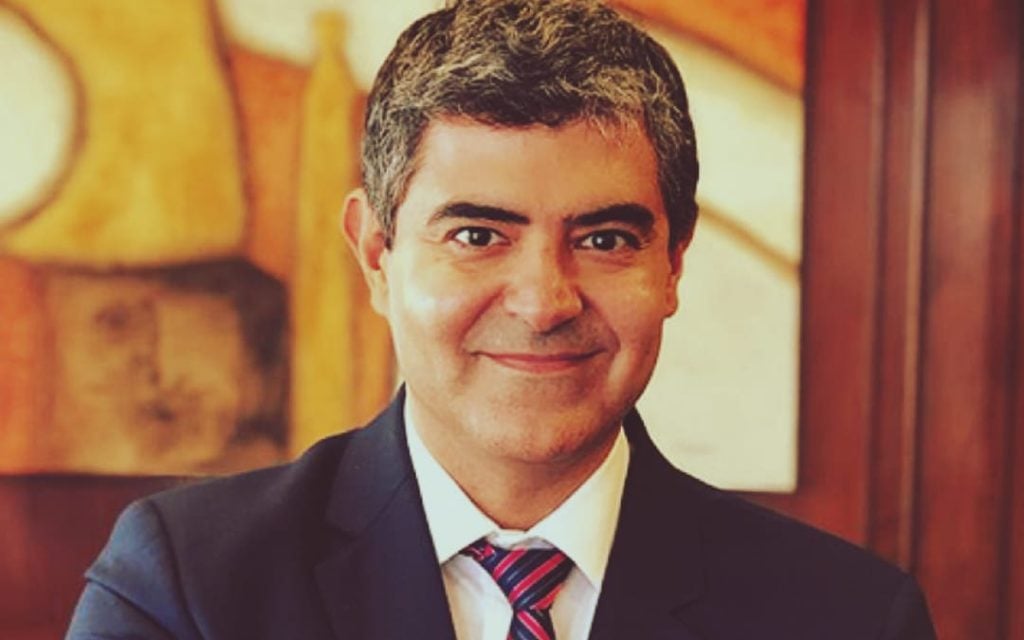
«Gabriel Boric has blatantly lied to the country (…) after announcing the strategy aimed at finding the best mechanism possible for determining which private company would partner with Codelco for lithium exploitation»
Attorney Mauricio Daza
«Congress approved a damning report drafted after several months of investigation, where it directly requested President Gabriel Boric to nullify this agreement for being manifestly illegal and harmful to the state’s interests. Notably, despite all of this, the Boric administration insists intensely on getting this agreement approved as soon as possible, so it does not fall under the decision of a new administration,” stated Mauricio Daza.
Moreover, informed sources regarding the audit process carried out by the General Comptroller indicated that during the investigations related to contractual negotiations, all relevant facts will be scrutinized for a final resolution, hence the data revealed by the Investigative Committee will be analyzed.
In the same vein, Deputy Yovana Ahumada, who participated in that Committee, spoke with El Ciudadano and clarified that «I do not believe the agreement between Codelco and SQM will formalize», primarily due to the delays established since the announcement of the alliance in 2024.
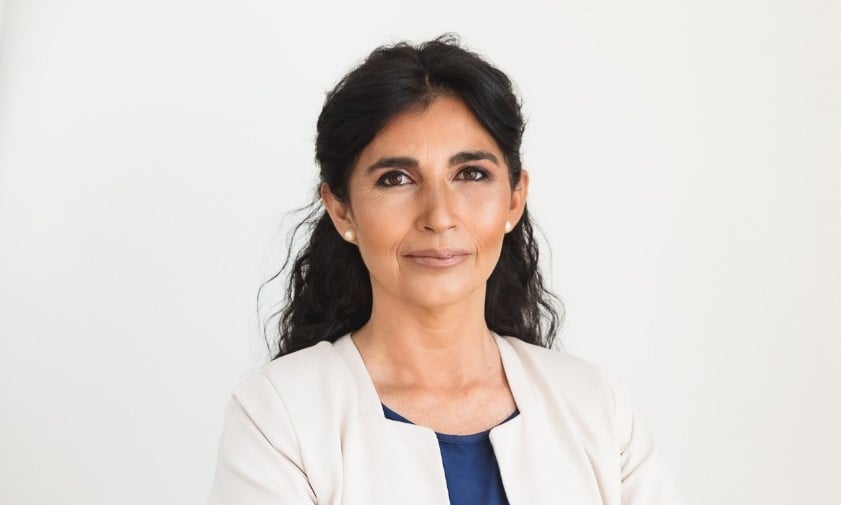
«I do not believe the agreement between Codelco and SQM will formalize»
Deputy Yovana Ahumada
On the other hand, Máximo Pacheco expressed optimism about finalizing the agreement in 2025. In conversation with Emol, the board president stated that only the Comptroller’s approval is needed for the agreement between Codelco and SQM to be fully effective, emphasizing the potential for a final alliance within the coming weeks before year-end, awaiting the definitive statement from the CGR.
Regarding the recent approval from the Chinese institutions, mining sector economists in Chile warned of the dire consequences for the country’s economy should such a significant alliance be formed. This is due to the specific conditions established by the Chinese institution for approving the agreement: preventing the exchange of sensitive information between competitors, reinforcing corporate governance practices, and ensuring lithium carbonate supply to Chinese clients under «fair, reasonable, and non-discriminatory» conditions.
Risky Effects of the Codelco-SQM Agreement
Initially, in a conversation with El Ciudadano, economist from the Research Center of Business and Society (CIES) UDD, Carlos Smith commented that «it is important to take a long-term view that can generate investment (…), of course, it is relevant to negotiate well, these are the risks involved in not conducting a bidding process. It must be conceived as a state issue, not a particular government.»
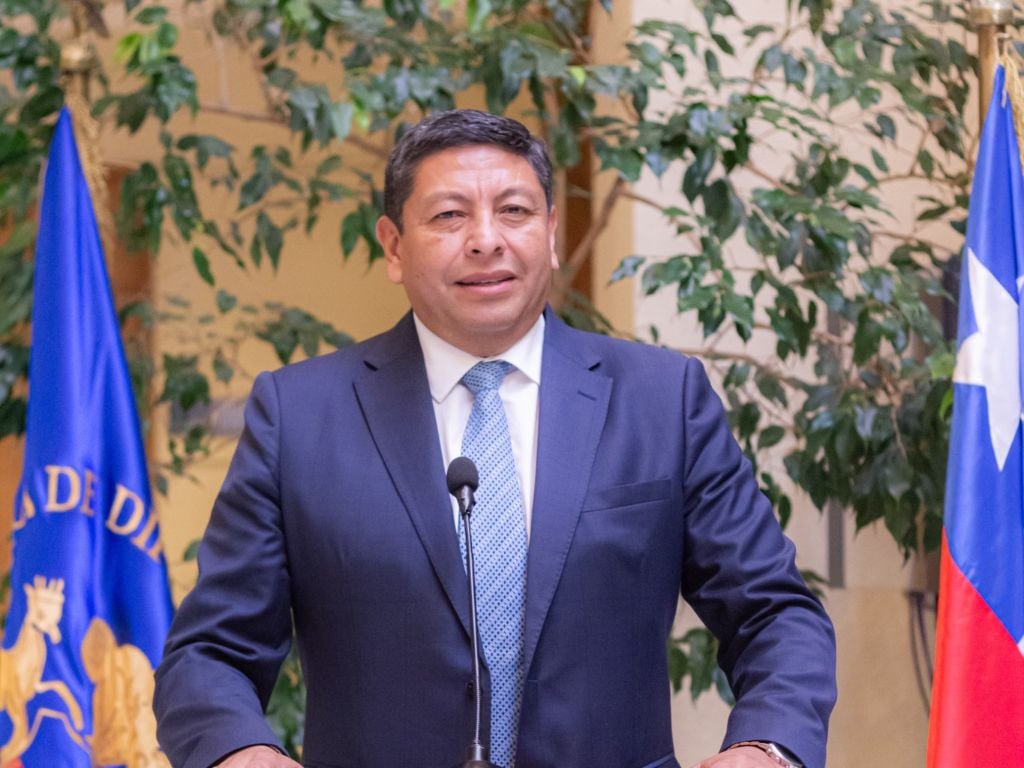
«Behind this contract are very dark things, a contract that is wanted to be defined behind closed doors»
Deputy Cristian Tapia
In the opinion of independent Deputy Cristián Tapia, «it is reasonable for China to establish these conditions, because China is defending its interests (…) to ensure lithium reaches its country. Meanwhile, Chile’s interests are at stake, indicating that behind this contract there are very dark things, a contract that is wanted to be defined behind closed doors.»
Regarding the economic detriment to the state, Mauricio Daza was categorical in criticizing the contractual processes, explaining that the lack of transparency has been the main actor since the beginning of negotiations, establishing a threatening precedent for the future of exported raw materials. He further stated that “we cannot know the details about who represented the state, which means it is impossible to control for potential conflicts of interest. This is a serious situation, as it jeopardizes one of our country’s most important resources.”
Despite constant allegations and calls from various public and private authorities regarding the controversial mining agreement, the CEO of the copper company insists it presents a significant advancement opportunity for the Chilean economy.
An Unfounded Negotiation
In light of the strict demands from the Chinese antitrust controller, various key figures in the national mining economic landscape emphasized the unstable policies taken by the Executive, as well as the strategic risks that the controversial agreement could establish over the coming weeks.
In this same line, Manuel Viera, President of the Mining Chamber of Chile explained in a conversation with CNN Chile that the process for selecting the alliance between Codelco and SQM «was not entirely appropriate, because it should have been an international public bidding process. That way, the Chilean state could have achieved greater economic advancement for public coffers.»
«It is a very poor negotiation, basically all of China’s demands were accepted (…). Chile must be very careful with its foreign relations after this agreement,» Viera added.
Meanwhile, Andrés González, head of analysis at the mining industry firm Plusmining, admitted that «the minimum committed volume represents a considerable challenge. If the figures are confirmed to be around 125,000 tons per year, it accounts for more than half of SQM’s projected capacity for 2026. Although the memorandum of understanding proposes reaching 300,000 tons by 2030, I consider it likely that this goal will take more time, resulting in a rigid operational framework.”
“The agreement includes a variable pricing system, whose annual average cannot exceed a percentage of the market price, which reflects a departure from fixed pricing schemes, and indicates a model that can adapt to the global lithium cycle,” he concluded.
Ponce Pinochet Family
If the agreement materializes, SQM’s exploitation of lithium in the Salar de Atacama until 2060 will remain in the hands of Francisca Ponce Pinochet, daughter of Julio Ponce Lerou, Augusto Pinochet’s former son-in-law, who left the leadership of the Chemical and Mining Society of Chile to his third daughter.
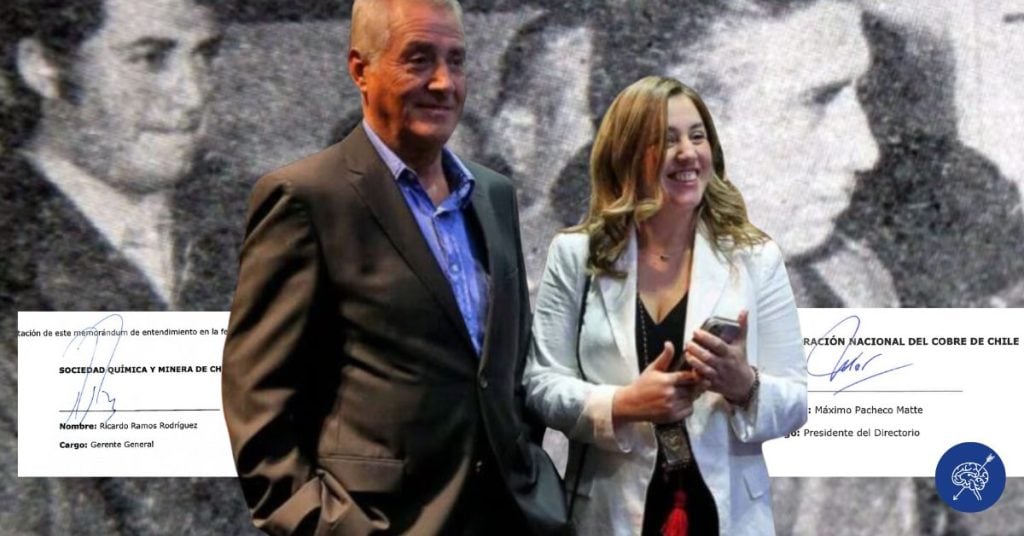
Thus ensuring continuity of the business and the flow of profits for the grandchildren of Augusto Pinochet. Why is a bidding process not appropriate once the agreement with Corfo is finalized? is the question many are asking, given that, what typically occurs in these cases is that a competitive and clarifying process begins to determine the future company responsible for this critical raw material in Chile, rather than handpicking the next mega company tasked with lithium extraction.
The decision defended by the government remains unclear, as it chose to delegate negotiation responsibilities to Codelco instead of maintaining transparency by announcing a bidding process for various companies to present their projects. Ultimately, this jeopardizes one of the strongest and most sustainable economic powers at a national and continental level.
Regarding the aforementioned, in an interview with El Ciudadano, Deputy Yovana Ahumada stated that “we are the overseers of public resources (…), which is why we insist on questioning the amounts paid; otherwise, we will never truly know if there was a loss of assets.”
The Controversial Advisory from Morgan Stanley
The controversial agreement is not the only focal point of interest for political figures, as the hiring of the financial services firm Morgan Stanley has also been spotlighted since the announcement of the alliance. All of this stemming from studies conducted by the U.S. multinational, which claimed volatile amounts that, according to Ahumada, «values that were not real.»
“A study was conducted with a ton value that never was, $20, while the average was $15 or even less, the values do not match with the study Morgan Stanley conducted, which was highly questionable. They used a ton value that was not accurate. We have consistently insisted on this point, as we believe that everything has been delayed, communities have also made the necessary claims and support our concern,” added Yovana Ahumada exclusively to El Ciudadano.
Attorney Mauricio Daza pointed out that “a substantial portion of the payment committed to the consultant depends on signing an agreement between SQM and Codelco. Thus, Morgan Stanley has a huge financial incentive for the alliance to be signed, allowing them to obtain a significant part of their fees. They will not provide recommendations or observations that might jeopardize the potential agreement, which creates a situation where they will not fully, transparently, or reliably state all aspects of the negotiation,” he concluded.
“Gabriel Boric Has Blatantly Lied to the Country”
From this perspective, Daza took the opportunity to launch accusations against President Gabriel Boric and his stance to carry out the agreement between the state company and SQM, expressing concern over the interests of the administration and the risk of generating economic losses over the next 35 years due to the contracts that have yet to be revealed by Máximo Pacheco.
Going back to 2023, specifically in April, when President Gabriel Boric announced in a national address the so-called National Lithium Strategy, planning an alignment between Corfo and Codelco to strategize the future of lithium in national territory. In this context, Mauricio Daza indicated that “Gabriel Boric has blatantly lied to the country (…) after announcing the strategy that aimed to find the best possible mechanism for determining which private company would associate with Codelco for lithium exploitation.”
“However, after several attempts, Congress managed to have Codelco send the advisory contract signed with Morgan Stanley, revealing that in March 2023 (a month prior to Boric’s national address) the North American multinational had already been contracted to extend the contracts with SQM, intending to project the exploitation by these companies until 2060 in the Salar de Atacama,” highlighted the renowned attorney.
It is worth noting that when Boric stated nationally that the best possible mechanism would be sought to determine which private company would partner with Codelco, it was already known by the firm Morgan Stanley that the goal was not to find that but to extend the contract with SQM. This evidence shows that the hiring of the financial company was planned months before the presidential announcement, establishing a fatal precedent for transparency with citizens, and sidelining the truth in such a vital negotiation for the national economy. Not to mention SQM, which was already planning its mining strategy to maintain its operations in the Salar de Atacama despite what Boric presented.
By Lucas Saez Hernández
El Ciudadano
Relacionados
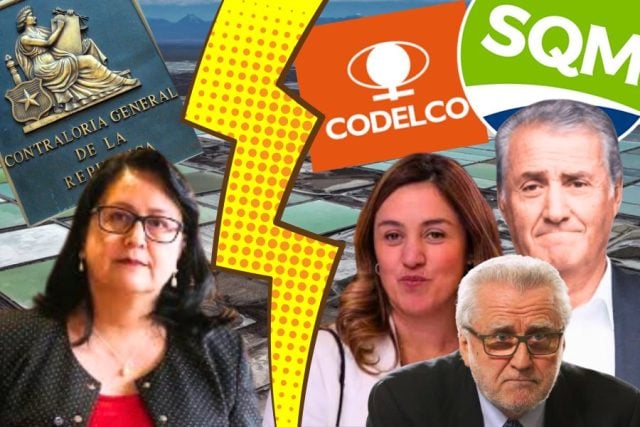
Contraloría investiga contratos de Codelco–SQM y deja incierto el control del litio hasta 2060
Hace 3 meses
En medio de cuestionamientos, CODELCO y SQM sellan acuerdo hasta 2060 y crean empresa NovaAndino Litio
Hace 2 meses