
Original article: “Ni una regularización” en público pero asesorías en privado: El contraste migratorio en el entorno de Kast
Last weekend, a legal advisory session for individuals in irregular immigration status was quietly organized—without any flyers or public announcements—at Yungay 3241, Santiago (within a local evangelical community’s facilities), shared primarily through WhatsApp with strict instructions for «strict confidentiality».
Simultaneously, a document titled «Procedure for Foreigners Entering Through Unofficial Channels» is circulating, providing step-by-step guidance on how to regularize one’s status, with explicit orders not to share it publicly.
This event is connected to the Foundation Un Solo Corazón, historically associated with María Pía Adriasola, wife of José Antonio Kast, and today largely run by members of the Republican Party.
Central to its territorial outreach is the Misión Carismática Internacional (MCI), led by Pastor Luz Janeth Espinal (a Colombian nationalized in Chile and a former candidate from Kast’s bloc), who is seen coordinating churches, networks of followers, and the foundation itself to support the advisory efforts.
Throughout his campaign, Kast has repeatedly stated that «there will be no regularization for those who entered through unofficial channels» and advocates for mass expulsions. However, the political-religious environment he aligns with is promoting selective and confidential assistance that effectively opens pathways to regularization for parts of that very population. This stark contrast raises a fundamental question: is it a matter of public order or discretionary control over «disorder»?
The significance of this case lies in its demonstration of a bifurcated model: outwardly, a «tough on crime» discourse; inwardly, parallel networks (foundations + churches) that substitute the state in managing urgent needs, lacking transparency, universality, or democratic oversight. Vulnerability is weaponized—conditional orientations creating dependency and loyalty—instead of constructing rights through clear and open public policies.
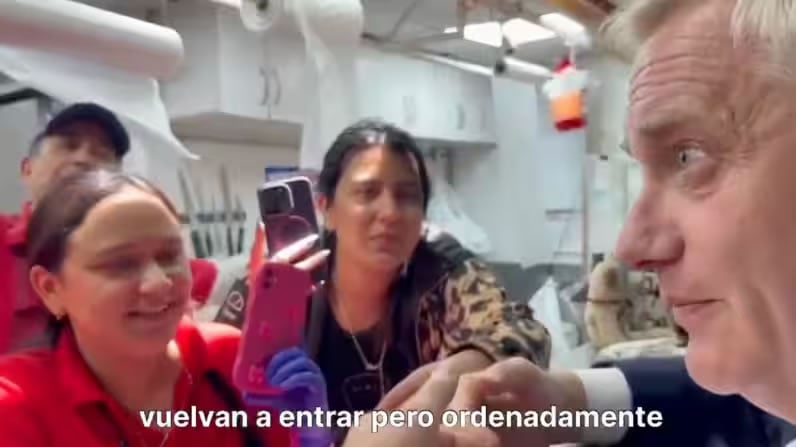
In addition to previous episodes such as interrogations at fairs, debates highlighting expulsions, and associations of migration with crime, a narrative of double standards emerges: while «disorder» is denounced, it is managed in the shadows for territorial influence and political accumulation.
By the end of the day, several key points remain unclear: the actual reach of the advisory sessions (criteria, coverage, outcomes), funding and traceability of the foundation, and the official response from Kast’s command or the organization itself regarding the existence of confidential regularization guidelines.
The question also remains whether there will be collaboration with the state or if an opaque and selective circuit will continue.
El Ciudadano
Hazte socio 👍
Con tu donación aportas a la sostenibilidad económica y existencia de este medio.
Elige cómo quieres aportar a la existencia y financiamiento colectivo de este medio!
 Reveniu
Relacionados

Chile and Bolivia Plan Historic Meeting of Foreign Ministers in Santiago: First Official Talks in 25 Years Amid Diplomatic Absence
Hace 4 semanas
Key Breakfast: Michelle Bachelet Offers Explicit Support to Jeannette Jara Just Days Before Runoff
Hace 2 meses