Original article: Coronel no aguanta más: 23 denuncias vecinales por malos olores activan cargos contra empresa Ewos-Cargill
The infractions attributed by the Superintendence of the Environment (SMA) are based on the company’s failure to manage odor emissions that affected the community and the inadequate monitoring of its emission sources between 2023 and 2025.
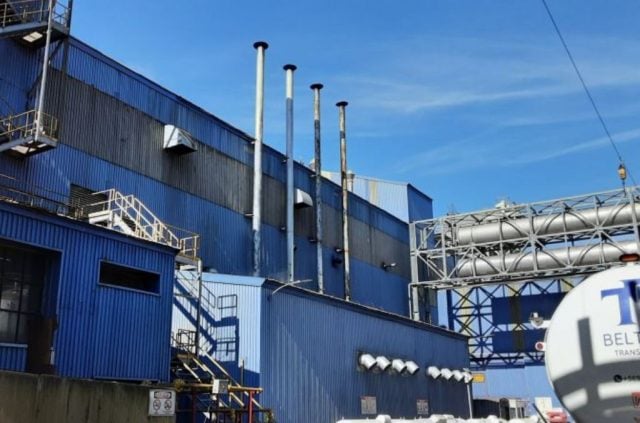
The community of Coronel, located in the Biobío region, has endured years of discomfort caused by a neighboring industrial facility. In response to persistent complaints, the Superintendence of the Environment (SMA) has initiated sanctioning procedures, formally charging EWOS Chile Alimentos Ltda. for its operations at the «Ewos-Cargill Coronel Plant.»
This action follows the discovery of numerous environmental violations that directly impact the quality of life for local residents.
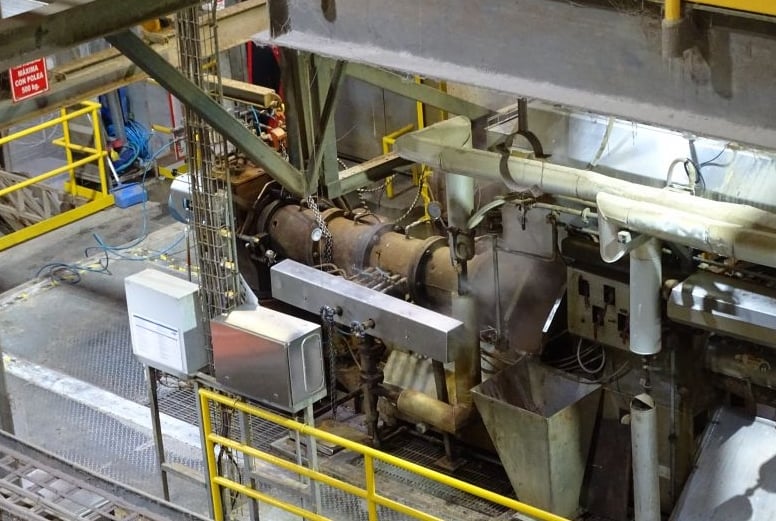
The ongoing conflict stems from a gradual and consistent decline in environmental conditions around the hydrobiological resource processing plant. This large-scale facility produces fish feed using fish meal and oil through an extrusion process.
Notably, the byproducts of this operation have been identified as the primary sources of community disturbances. The SMA indicated that the case was triggered by 23 citizen complaints, all primarily concerning the release of unpleasant odors.
These accumulated complaints prompted a series of environmental inspections to verify the irregularities reported by the residents.
Based on evidence gathered from inspections and administrative document analysis, the SMA has formalized two specific charges against the company.
The first charge, categorized as a serious infraction, arises from the company’s failure to inform or implement necessary measures to address unanticipated impacts caused by the project’s operations, particularly the release of offensive odors affecting the surrounding population.
The accusation asserts that EWOS Chile was negligent in addressing a tangible environmental issue impacting its neighbors, despite having a legal obligation to do so.
The second charge highlights deficiencies in the plant’s environmental monitoring system. Classified as a minor infraction, it was based on the finding of inadequate monitoring practices as outlined in RCA N°325/2007, specifically that not all emission sources had been measured over the years 2023, 2024, and 2025.
This reveals that for at least three consecutive years, the company failed to conduct thorough and rigorous monitoring of its emissions, undermining its ability to accurately assess its environmental performance and timely rectify the issues causing the odors.
When asked about the case, Hugo Ramírez, acting head of the SMA in the Biobío Region, emphasized the importance of the measure in light of the sensitivity surrounding industrial activities in the region.
«Odor issues are particularly sensitive in this region, which has projects involving waste treatment in their production processes. Therefore, it is crucial to remind project owners that they must provide and adhere to the environmental management instruments required for their operations,» he noted.
Consequences for EWOS Chile
The consequences for EWOS Chile Alimentos Ltda. could be significant. According to the SMA’s Organic Law (LOSMA), serious infractions like the first charge can result in severe penalties, including revocation of the Environmental Qualification Resolution (RCA), temporary or permanent closure of the plant, or fines that could reach up to 5,000 annual tax units (UTA).
Meanwhile, the minor infraction could lead to a written reprimand or a fine ranging from 1 to 1,000 UTA. The final decision will depend on the outcome of the sanctioning process.
Following the notification of the charges, the company will have an extended period of 15 business days to present a Compliance Program (PdC), detailing how it plans to rectify the infractions, and 22 business days to submit its defense against the charges.
The outcome of this case is being closely monitored not only by the affected residents of Coronel but also by the broader community in the Biobío region, which hopes that the authority’s actions will set a precedent for holding industries accountable for their environmental responsibilities.
All information regarding the sanctioning process is available to the public in the National System of Environmental Inspection Information (SNIFA) at File N°4412.
Relacionados
Coronel no aguanta más: 23 denuncias vecinales por malos olores activan cargos contra empresa Ewos-Cargill
Hace 8 minutos
Kawésqar Community Accuses Salmon Farming Industry of Exploiting Protected Areas in Magallanes as "Productive Refuge"
Hace 3 semanas