Original article: Cuba: El bloqueo criminal que no termina
By Boris Barrera Moreno, Deputy and President of the Chilean-Cuban Interparliamentary Group
The recent visit of Cuba’s new ambassador to Chile, Óscar Cornelio Oliva, to the National Congress provided a chance for the Chilean-Cuban Interparliamentary Group to welcome him as he embarks on his diplomatic mission in our country.
This meeting also served to reaffirm the historic ties between Chile and Cuba, prompting a reflection on a harsh reality that profoundly affects the lives of the Cuban people: the economic, commercial, and financial blockade imposed by the United States for over sixty years.
For more than sixty years, the Cuban people have endured the ramifications of this economic, commercial, and financial blockade imposed by the United States. This prolonged policy has directly impacted the daily lives of millions.
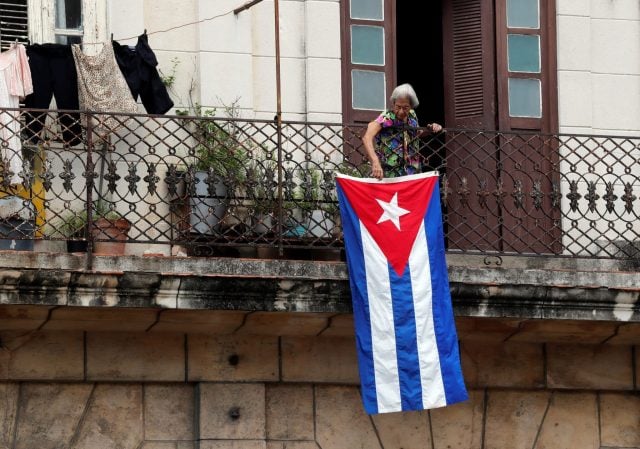
The blockade is not an abstract discussion; its consequences resonate in the everyday lives of Cubans, manifesting in difficulties accessing medical supplies, restrictions on food trade, and the limitations faced by the Cuban economy in achieving normal development.
After over sixty years, the accumulated effects have deeply influenced the living conditions of the population and the country’s growth potential.
One of the most troubling aspects of this policy is its extraterritorial nature. It not only restricts relations between the United States and Cuba but also seeks to penalize or discourage third countries, companies, and financial institutions from engaging in economic or commercial ties with the island.
This practice undermines fundamental principles of international law, including state sovereignty, legal equality, and non-interference in internal affairs.
Moreover, the blockade’s reach is far-reaching, expressed through various sanctions aimed at globally isolating the island. For instance, shipping companies transporting fuel or goods to Cuba may face penalties, including being barred from entering U.S. ports in the future.
Similarly, banks and financial institutions in other countries have confronted fines or restrictions for processing transactions related to the Cuban state. These measures, affecting parties in third countries, illustrate the extraterritorial nature of the blockade and its repercussions on trade and international financial relations.
Additionally, it is clear that Cuba does not pose a threat to U.S. national security. Maintaining this argument proves challenging in a world that calls for cooperation, dialogue, and diplomatic solutions to conflicts.
On the contrary, even amid significant economic hardships, Cuba has shown a strong commitment to international solidarity, particularly in health and medical cooperation, a commitment that Chile has also participated in.
The international community recognizes this reality. Year after year, at the United Nations General Assembly, an overwhelming majority of countries vote for the lifting of the blockade, including Chile under various governments since the return to democracy, affirming that such unilateral measures do not contribute to solving global challenges or strengthening coexistence among nations.
From Chile, a country that has historically championed multilateralism and respect for international law, we cannot remain indifferent to a policy that has proven to be unjust and criminal.
If we genuinely aspire to move toward a world grounded in cooperation and respect among peoples, it is essential to end measures that punish nations and hinder their development.
Boris Barrera, Deputy
Relacionados
Russia Readies Oil Shipment to Cuba as Humanitarian Aid Amid Heightened U.S. Blockade
Hace 4 semanas
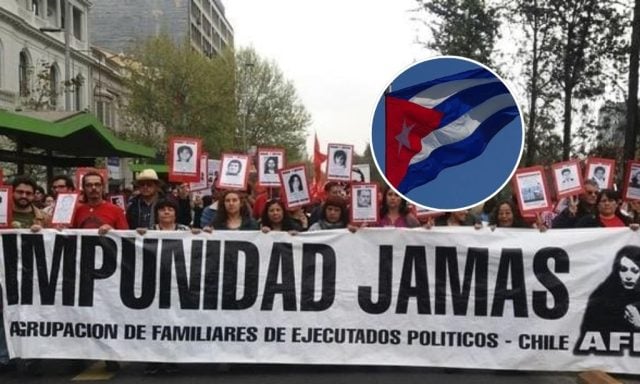
Relatives of Executed Political Activists Condemn Trump's Collective Punishment Order Against Cuba
Hace 1 mes
Cuba Denounces "Brutal Act of Aggression" by the U.S. Aimed at Undermining Sovereignty and Resources
Hace 1 mes