Original article: Entre apagones y falta de combustible, Cuba reorganiza su gobierno local para acercarlo a la gente
Amid Intensifying U.S. Blockade, Cuba Strengthens Governance System by Delegating Powers to Local Assemblies to Ensure Better Community Engagement and Solutions
In the context of acute fuel shortages, ongoing power outages, and the tightening grip of the U.S. blockade, Cuba is reinforcing its governance structure by easing the responsibilities of its delegates to the Municipal Assemblies of People’s Power, ensuring closer ties and more community-driven solutions.
This initiative, sanctioned by the State Council, aims to bring governmental power closer to citizens grappling with scheduled electricity outages and failures in essential services—a dire situation exacerbated by the decades-long U.S. blockade.
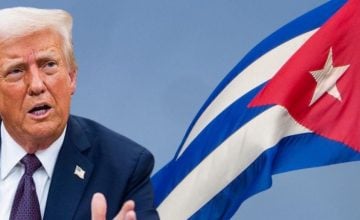
It’s important to note that on January 29, U.S. President Donald Trump declared a national emergency based on a supposed Cuban threat to U.S. national security and authorized tariffs on imports from countries selling or supplying oil to the island.
From Havana, officials have strongly condemned this so-called «energy blockade,» claiming that the actions of the Republican administration intend to suffocate the Caribbean nation’s economy and render living conditions intolerable for its people.
On social media, Cuban President Miguel Díaz-Canel denounced that «under a mendacious pretext, set forth by those who capitalize on the suffering of our people, President Trump aims to choke the Cuban economy by imposing tariffs on nations that trade oil with Cuba sovereignly.»
He added that the new U.S. measure «demonstrates the fascist, criminal, and genocidal nature of a cabal that has hijacked the interests of the American people for purely personal purposes.»
A Decision at the Brink of Emergency
In response to this emergency, the Cuban State Council has approved a resolution that reshapes the government’s grassroots priorities.
This is Agreement No. 556-X, which partially releases the usual work functions of the district delegates so that they can dedicate their full time to serving their constituents.
According to the document presided over by Esteban Lazo, its purpose is to «ensure a more permanent and effective connection with their constituents and systematic attention to community concerns.»
In justifying the ruling, the State Council noted, as stated in the agreement, «the difficult economic, social, and political scenario in the country, characterized by scarce fuel availability, issues with the national energy system, and the complicated situation in responding to vital services, exacerbated by recent measures from the United States Government.»
Agreement No. 556-X establishes that the presidents of the Municipal Assemblies can fully deploy delegates whose job responsibilities allow it, while those who remain on duty will continue to maintain an ongoing relationship with their constituents.
This way, «Cubans will receive direct updates on actions and measures related to the current situation in the country. At the same time, it will allow for the evaluation of each of the criteria and proposals directed at solving the concerns and difficulties that are addressed with community involvement,» noted Prensa Latina.
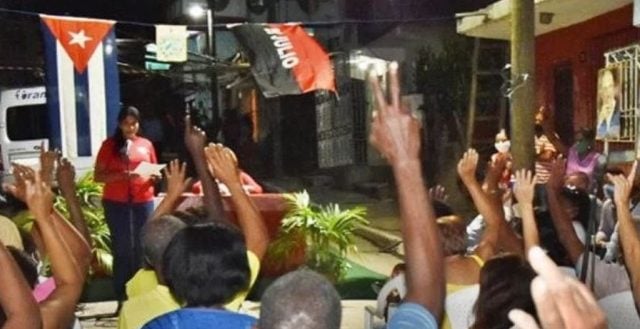
The participatory element is not secondary. The considerations of the agreement emphasize that the delegates will also «promote neighborhood participation in their meetings and in the popular oversight actions they carry out.»
Constitutional Basis
The decision isn’t starting from scratch. The agreement highlights that the Constitution of the Republic of Cuba, in Article 193, establishes that delegates fulfill «the mandate entrusted by their electors in the interest of the community,» which requires sharing their public functions with customary work responsibilities.
The text explicitly references prior experiences of exceptional operation and acknowledges that, in this complex context, «it is commendable to highlight the active role played by our delegates throughout the pandemic and during climatic events, stemming from their direct link with their constituents through systematic dispatches and other actions and activities conducted.»
The district delegates in Cuba are part of the Municipal Assemblies of People’s Power and are elected for a period of five years through free, equal, direct, and secret voting by the electors.
So far, only the roles of President and Vice President of the Municipal Assembly, the Presidents of popular councils, and those members of permanent commissions approved by the Assembly are considered professional positions.
Artículos Relacionados
Cuba Faces Fuel Crisis: Díaz-Canel Acknowledges Talks with Washington and Blames U.S. Blockade
Hace 2 semanas