Original article: Especies en peligro: ¿Por qué la palma chilena tiene la máxima protección internacional según Convención CITES?
Endangered Species and the Chilean Palm: What Will the Official Position Be?
Amid political tensions and controversies among members of the future Kast government cabinet, including critical remarks from Iván Poduje regarding certain environmental activism, a pressing question arises: What will the official stance of the incoming administration be on the conservation of native species that are at risk of extinction?
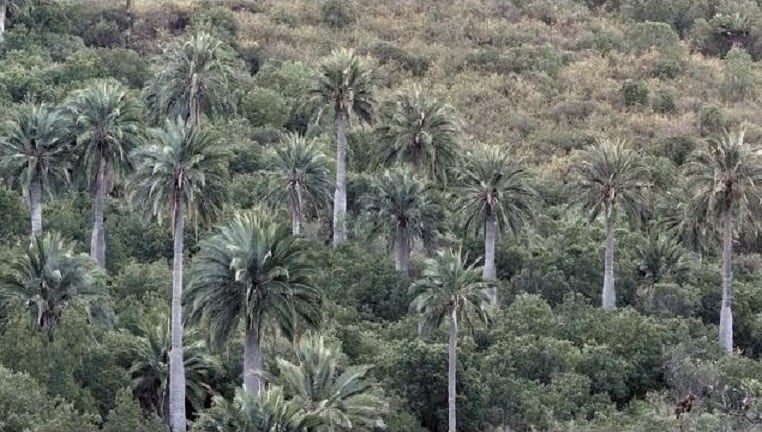
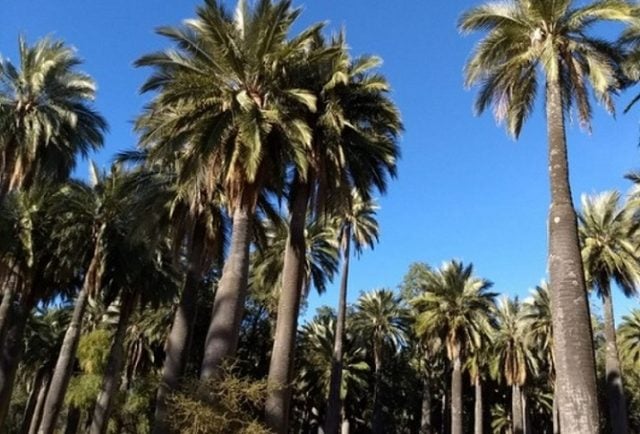
A specific and symbolic case is that of the Chilean palm (Jubaea chilensis), the only palm species native to the continental country, which is currently categorized as «Endangered».
CITES and Global Protection for Threatened Species
The Convention on International Trade in Endangered Species of Wild Fauna and Flora (CITES) is one of the world’s key environmental agreements, aimed at preventing international trade from threatening the survival of wild species. Its Appendices set forth various levels of protection, with Appendix I being the most stringent, reserved for species that are critically endangered, with virtually prohibitive international trade except for very limited scientific exceptions.
In this context, during the Twentieth Conference of the Parties to CITES (CoP20) held in Samarkand, Uzbekistan, the inclusion of the Chilean palm (Jubaea chilensis) in Appendix I was secured, granting it the highest level of international protection available. This initiative is supported by extensive scientific, ecological, and commercial evidence highlighting the grave threats faced by this unique species worldwide.
Why the Chilean Palm Receives Maximum International Protection
The Chilean palm is an endemic and monotypic species, meaning there are no other species in its genus, and it is only found in the central region of Chile, from Coquimbo to Maule. It can live for over a thousand years, yet its natural regeneration is virtually non-existent today. Studies cited by CONAF and various researchers indicate that most of its populations are aging, fragmented, and lack generational renewal, posing a serious threat to its survival.
Despite having national legal protection and being officially classified as “Endangered”, the species faces multiple simultaneous threats: increasingly frequent and intense wildfires, prolonged drought linked to climate change, habitat loss due to urbanization and land-use changes, herbivory by introduced species, and growing pressure from the collection of its fruits, known as “palm nuts”.
A key factor behind the CITES proposal is the international trade. Between 2018 and 2023, Chile exported products derived from the Chilean palm worth over US$225,000, primarily seeds, to destinations like Hong Kong, Germany, the Netherlands, and Singapore. The official report warns that the high value of these fruits in foreign markets has led to intensive, even illegal, harvesting, drastically reducing the chances for natural regeneration.
The statistics are telling: in some palm groves, for every adult tree, only one seedling is produced, and of every ten seedlings, barely one reaches a juvenile stage. In areas such as Ocoa and Cocalán, which account for more than 90% of the total population, studies show that many adult palms are likely to die without leaving viable offspring. Under CITES criteria, this fully meets the conditions for the highest level of international protection.
The inclusion of Jubaea chilensis in Appendix I would allow for strict regulation of any cross-border movements, close legal loopholes in trade, and strengthen conservation efforts both within and outside of Chile. According to the proposal, without this measure, the risk of extinction in the wild remains high and is increasing, particularly in the context of climate crisis and economic pressure on Mediterranean ecosystems.
With only a month before this decision is discussed on the international stage, experts and organizations warn that its significance is still little known to the public. However, it represents a historic milestone for Chilean biodiversity: for the first time, its most iconic palm could be under the strongest environmental protection on the planet, not as an ornamental symbol, but as a species genuinely at risk of extinction.
Relacionados
Especies en peligro: ¿Por qué la palma chilena tiene la máxima protección internacional según Convención CITES?
Hace 2 minutos