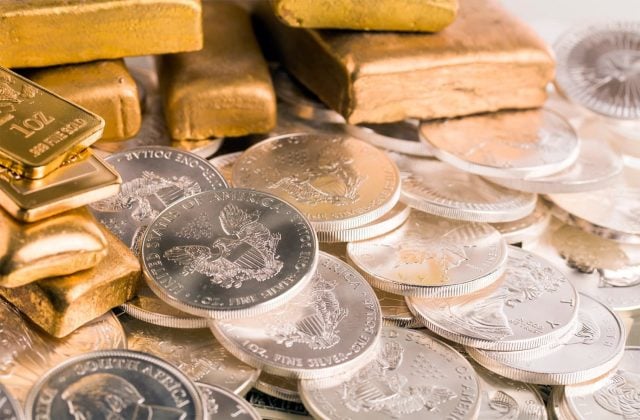
Original article: Si el precio de la plata y el oro no recuperan sus precios es una mala señal para el sistema financiero
We are experiencing the paradox of ‘safe havens’: when the market promises protection, it instead plunges into the abyss, as seen with silver and gold.
For decades, gold and silver have been regarded as the ultimate safe-haven assets. During times of uncertainty, high inflation, or geopolitical crises, the unanimous advice from analysts, wealth managers, and even banks has been clear: ‘Turn to precious metals.’ Their intrinsic value, scarcity, and historical role as money have underpinned this confidence. However, a troubling phenomenon undermines this narrative: when storms intensify and these assets should thrive, their prices fail to recover or, worse, collapse under massive sell-offs. This contradiction is not merely a market fluctuation; it is an alarm bell questioning the credibility of the entire financial system among investors and the public.
The implicit contract between the system and savers is straightforward: ‘When everything else fails, this will protect you.’ Financial institutions, through exchange-traded funds (ETFs), certificates, and structured products, have massively marketed the idea of gold and silver as the ultimate insurance. But what happens when this insurance does not pay out? When, despite persistent inflation, military tensions, and market volatility, the prices of these metals languish or plummet, the devastating message sent to the market is clear: even traditional safe havens are not safe.
The Disconnection and Discredit
This situation is exacerbated by a phenomenon observed during times of liquid panic: massive sell-offs of gold and silver positions, even by large institutional players. This reveals an uncomfortable truth. Firstly, in a systemic liquidity crisis, everything gets sold— even ‘safe assets’—to cover losses elsewhere. Thus, the safe haven ceases to function as such when it is needed the most. Secondly, and more seriously, it demonstrates that the touted ‘protection’ was, in many cases, more a marketing slogan than a structural reality. Average investors, following ‘official’ advice, position themselves in these assets expecting stability, only to witness large funds and banks liquidating en masse, driving prices down.
Consequences for Trust
The blow to trust is profound and twofold:
- For institutional and retail investors: A question arises: if even gold, with millennia of history as a store of value, is unreliable, what can one trust? The credibility of risk diversification models and the advice of asset managers becomes fractured. The system seems to recommend one thing while its internal mechanisms (forced selling due to margin calls, high-frequency trading algorithms) do exactly the opposite.
- For the general public: Observers from the outside perceive the financial market as a giant casino where even the most basic rules (gold rises in crises) have stopped functioning. This perception fuels skepticism, distrust towards financial entities, and a sense that the system is opaque and manipulated. When safe havens fail, the feeling of economic vulnerability spreads throughout the population, which sees their options for preserving savings vanish.
More Than a Pricing Problem: A Crisis of Narrative
Therefore, the issue transcends the pricing of an ounce of gold or silver. It is a crisis of the narrative that underpins part of the trust in markets. If the rhetorical pillars (the safety of top-tier sovereign bonds, the resilience of traditional safe havens) appear fragile, it creates a credibility void that is hard to fill.
If gold and silver prices fail to reclaim their historical roles in this complex environment, they will not just indicate their own value but signal the health of the system that trades them. They will show that the market, in its current hyper-financialized and highly interconnected form, is incapable of honoring its own promises of security. And when a system loses the ability to offer, even symbolically, a refuge, its vulnerabilities are laid bare. The next crisis of trust may not arise from a toxic asset but from the failure of what was supposed to be the antidote to all poisons.
The Citizen
Relacionados

Does Kast Evade Taxes in Chile by Using Offshore Tax Havens and a Network of Hotels in Miami?
Hace 2 meses