Original article: Alerta en el ente electoral de Honduras: denuncian correcciones directas en la base de datos y piden a la Corte ubicar a dos consejeras
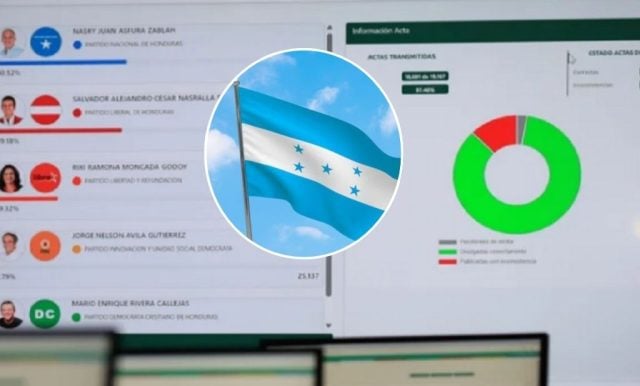
The National Electoral Council (CNE) of Honduras is facing a crisis of transparency, legitimacy, and control regarding the vote counting process of the general elections held on November 30, following a controversial regulatory reform and the public disappearance of two of its three commissioners, which has sparked a wave of allegations about opacity and possible foreign intervention.
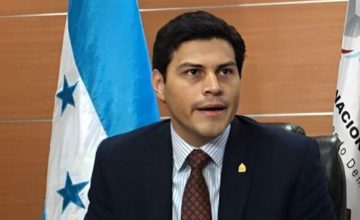
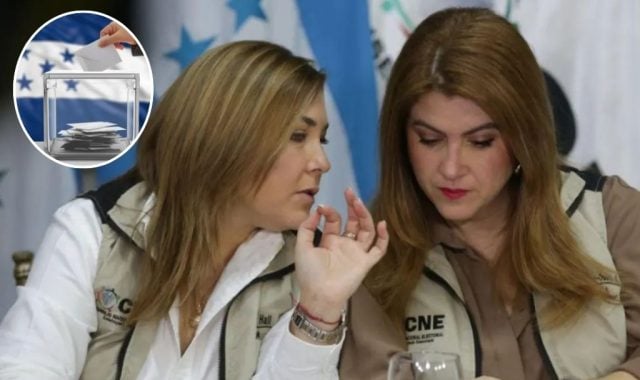
During a plenary session, commissioners Ana Paola Hall (Liberal Party) and Cossette López (National Party) majority-approved a reform to Article 20 of the results transmission regulation. This amendment explicitly allows for «direct electronic corrections» in the official vote count database. Commissioner Marlon Ochoa (Liberty and Refoundation Party, Libre) voted against it, warning that «this decision deepens the lack of transparency in the electoral process.»
The reform enables three individuals to make modifications that become part of the overall count, without the CNE council’s prior knowledge of what data will be changed or the corrected value. Ochoa described this procedure as «extremely sensitive.»
As a result of this decision, the number of 2,792 ballots with inconsistencies was reduced to 2,101, which will undergo special scrutiny. The remaining 691 ballots will be corrected solely in the computer system, without physical examination of the original document.
Ochoa noted that «many of the excluded ballots contain inconsistencies not visible in the image, such as discrepancies between the number of recorded voters, biometric records, voting logs, and remaining ballots.»
“Replacing physical control with database adjustments does not strengthen the electoral process; rather, it undermines it,” he questioned.
Lack of Progress and Transparency in the Process
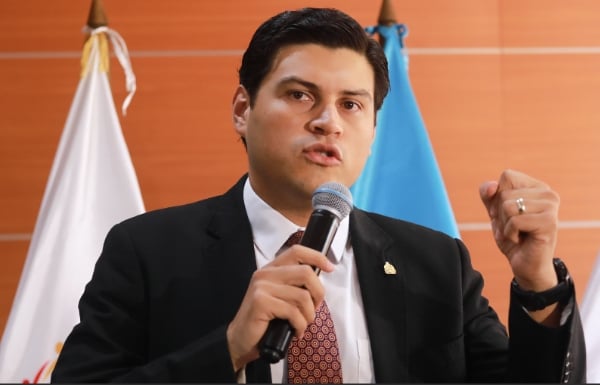
Commissioner Ochoa reminded that, over three weeks after the general elections on November 30, the CNE has still not managed to agree on the final list of ballots that will go to Special Scrutiny for congressional and municipal corporation elections. Furthermore, he reported no impugnation case among the 298 filed has been resolved, despite over 30 being ready for resolution.
For the presidential level, the commissioner reiterated his demand for «one vote per ballot in all briefcases, as a way to restore voter confidence.»
Irregularities in the Conduct of the Session
Ochoa also questioned the timing of the session’s call, which was made «only 46 minutes prior,» as well as the inclusion of the crucial regulatory reform without the documentation being sent out beforehand for review.
“Regrettably during the session, Commissioner Cossette López adopted a confrontational tone, making personal comments towards the commissioner and indicating that even his facial expression bothered her,” he stated.
According to the magistrate, «the disrespect within the collegiate body is driven by the commissioner herself,” emphasizing his commitment to an «open, verifiable electoral process that respects institutional integrity.”
Irregular Voting and Possible Usurpation
A critical point of the complaint focuses on the participation modality of commissioners Hall and López. Ochoa accused both of failing to activate their cameras during the virtual session, violating Article 34 of the session regulations of the Electoral Law. This rule requires commissioners to identify themselves by displaying their official ID or via webcam to validate their participation and voting.
“The omission of these measures by the commissioners directly contravenes the regulations and increases uncertainty about who is truly making decisions in the electoral process,” asserted Ochoa, who did participate with his camera on from his office at the CNE headquarters.
The Mystery of the Commissioners’ Whereabouts: Habeas Corpus and Accusations of Interventionism
The situation became more tense with the revelation that the physical whereabouts of commissioners Hall and López have been unknown for at least 10 days. Ochoa publicly stated that his colleagues are not attending plenary sessions in person and are only participating through audio, calling it «the most critical phase of the electoral process.»
This Monday, December 22, the Public Prosecutor’s Office (PGR) escalated the matter by presenting a Habeas Corpus action before the Constitutional Chamber of the Supreme Court in favor of the two commissioners.
The official document indicates «the alleged unlawful detention and the unknown whereabouts» of the magistrates and warns that this uncertainty «could impact institutional stability, social peace, national security, and citizen trust in the electoral process and Honduran democracy.”
In its filing, the PGR clarified that the legal action is preventive and protective, aimed at safeguarding constitutional order and does not respond to political interests, it emphasized.
Moreover, it reiterated its commitment to act in strict adherence to the Constitution, the law, and international human rights treaties.
The agency confirmed that it will closely monitor how the Constitutional Chamber proceeds with the presented action as well as the results of any ordered proceedings, which should provide certainty to both the affected individuals and the general public.
In a press conference, Commissioner Ochoa linked the opacity to a context of foreign intervention by U.S. President Donald Trump.
Without naming anyone, Ochoa suggested that they might be «under coercion in a foreign embassy in Tegucigalpa.»
“The priority is to guarantee the sovereign will of the Honduran people and ensure that any decision from the CNE is made in full freedom and without imposition,” Ochoa asserted.
Electoral Body Under Scrutiny and Compromising Audios
The conjunction of these events – a reform allowing opaque alterations in electoral data, the physical absence of two-thirds of its highest authorities, a vote conducted under suspicion of usurpation, and a Habeas Corpus legal action – has plunged the primary guardian of Honduran democracy into its deepest crisis in years.
Simultaneously, on Monday, Pro Honduras Network reported the possession of almost a hundred audios that would reveal the buying of polling stations and multiple voting in the disputed November 30 elections.
“We have 97 audios corresponding to conversations held by Juan Carlos Oliva, a deputy from the National Party and son of former National Congress President Mauricio Oliva. In these recordings, Juan Carlos Oliva talks with political and territorial operators about planning and executing fraudulent practices related to the electoral processes,” the organization stated.
“The conversations show Juan Carlos Oliva actively participating in coordinating these practices, speaking with operators responsible for executing fraud at the territorial and polling station level,” it further emphasized.
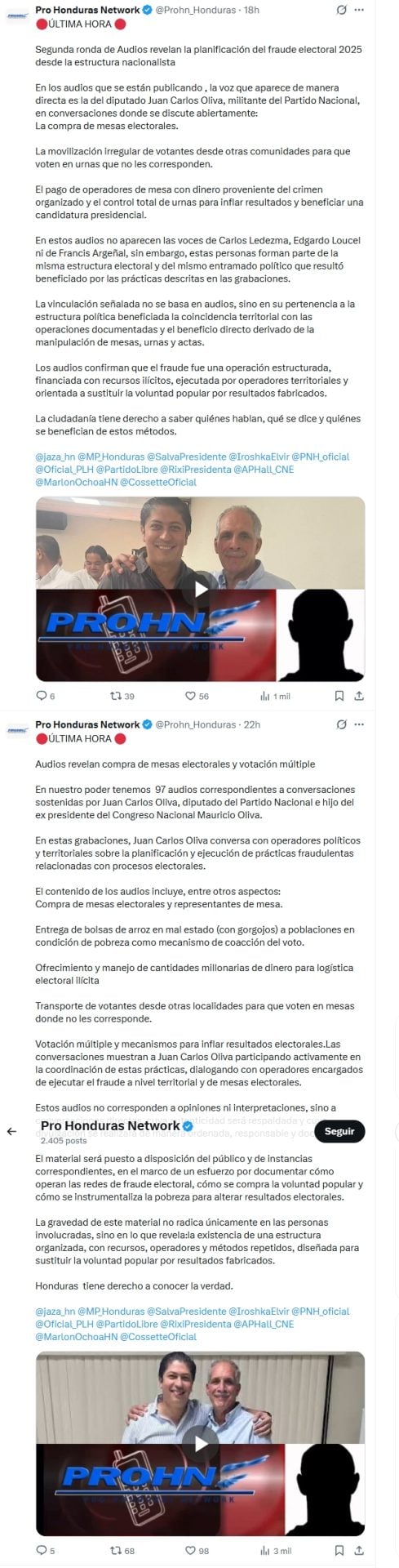
Pro Honduras Network also denounced that the audios in their possession would corroborate the irregular mobilization of voters from other communities to vote in unaffiliated polling stations, as well as the «payment of polling station operators with money from organized crime and total control of ballots to inflate results and benefit a presidential candidacy.»
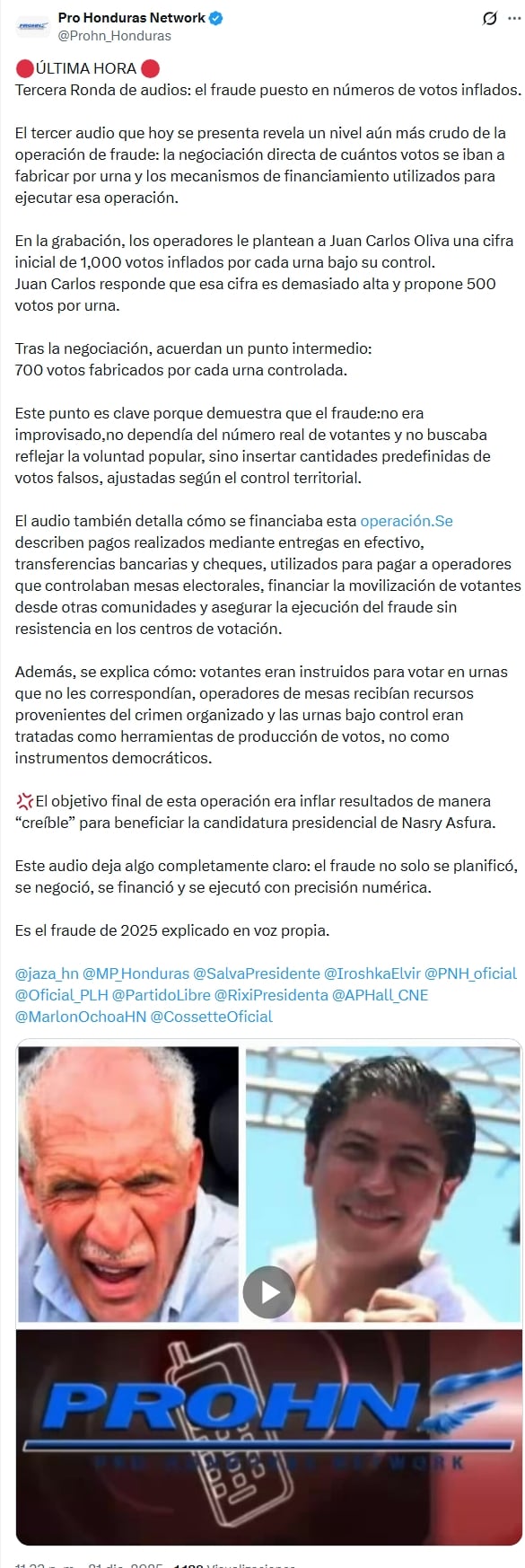
One of the audios is linked to the alleged direct negotiation of «how many votes were to be fabricated per ballot and the financing mechanisms used to execute that operation.»
“In the recording, the operators present Juan Carlos Oliva with an initial figure of 1,000 inflated votes per ballot under his control. Juan Carlos responds that this number is too high and proposes 500 votes per ballot,” it stated.
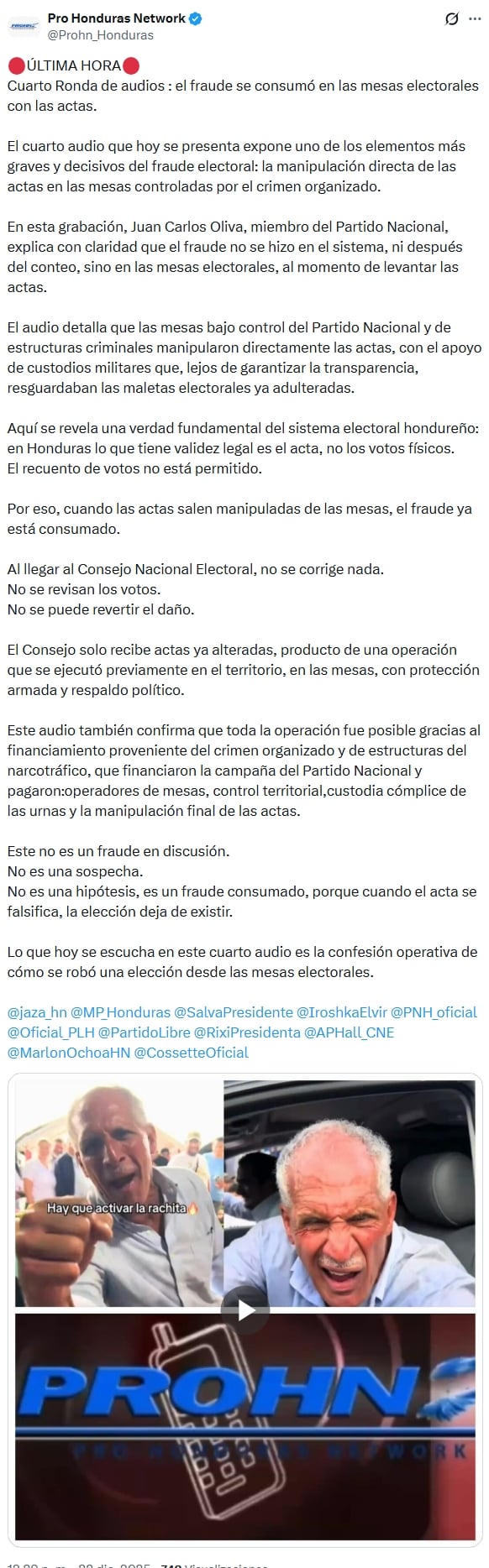
Pro Honduras Network also released an audio that would provide evidence of «direct manipulation of the ballots in polling stations controlled by organized crime.»
According to the recording, a voice attributed to Juan Carlos Oliva would explain that «the fraud was not executed in the system, nor after the counting, but at the polling stations, at the moment of issuing the ballots.»
“The audio details that the polling stations under the control of the National Party and criminal structures directly manipulated the ballots, with the support of military custodians who, instead of ensuring transparency, safeguarded already adulterated electoral briefcases,” the media stated in a message shared on X.
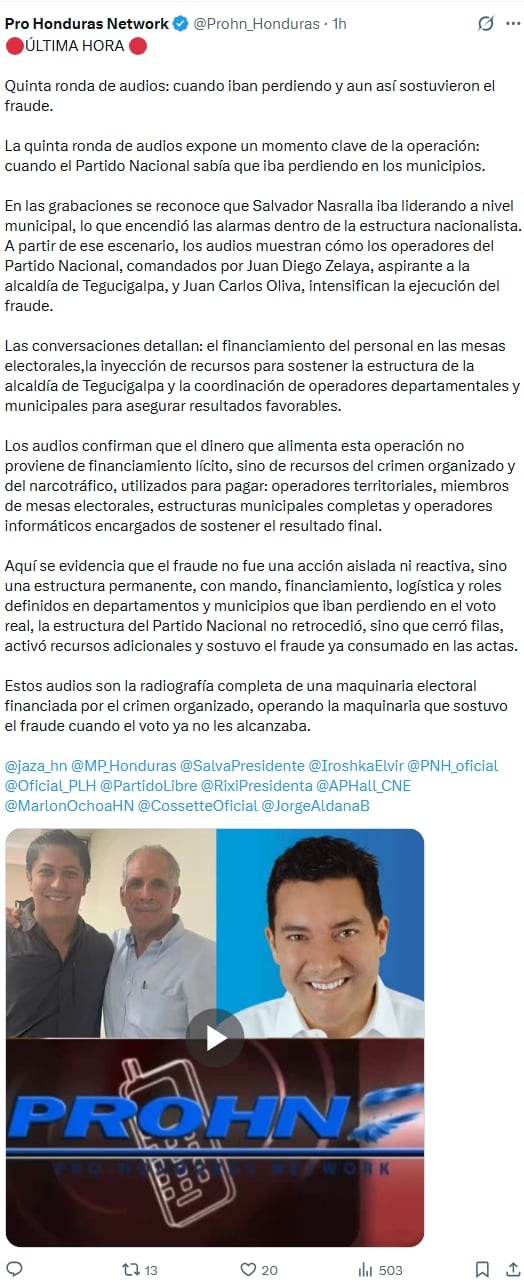
According to Pro Honduras Network, in the recordings, members of the National Party acknowledge that Salvador Nasralla was leading at the municipal level, which raised alarms within the right-wing party.
“From that scenario, the audios show how National Party operators, led by Juan Diego Zelaya, a mayoral candidate in Tegucigalpa, and Juan Carlos Oliva, intensified the execution of fraud. The conversations detail the funding of personnel at polling stations, the injection of resources to sustain the structure of the Tegucigalpa mayor’s office, and the coordination of departmental and municipal operators to ensure favorable results,” they disclosed.
Commissioners Appear but Do Not Reveal Their Whereabouts
On Monday afternoon, commissioners Ana Paola Hall (Liberal Party) and Cossette López (National Party) appeared before the public to assure that they are safe, free, and to reject the Habeas Corpus action presented by the Public Prosecutor’s Office (PGR).
In a video, the commissioners, who did not disclose their location, stated that there is no detainment or disappearance, calling the constitutional remedy inappropriate, asserting that the legal conditions for its application have not been met. They also reiterated that they continue to perform their functions within the electoral body.
“It is important to clarify that we continue to fulfill our roles remotely, as legally permitted under Honduran law, maintaining continuous oversight of all necessary actions for the development and conclusion of the electoral process, with the sole aim of avoiding greater risks, preserving our integrity, and not hindering the declaration of the general elections,” Hall read in a statement before the cameras.
“In that sense, we find the action promulgated by the Public Prosecutor’s Office totally inappropriate, as the representative of the State, since we are not deprived of our freedom, we are not subject to any detainment, and our situation does not constitute a violation of fundamental rights that warrants the activation of constitutional guarantees designed to protect personal freedom. Likewise, we clarify that we have not been victims of any kidnapping,” added the commissioner.
Relacionados
Honduran Electoral Advisor Claims 'Electoral Coup' After Presidential Announcement Without Full Vote Count
Hace 2 meses