Original article: Congreso Nacional de Honduras denuncia fraude electoral
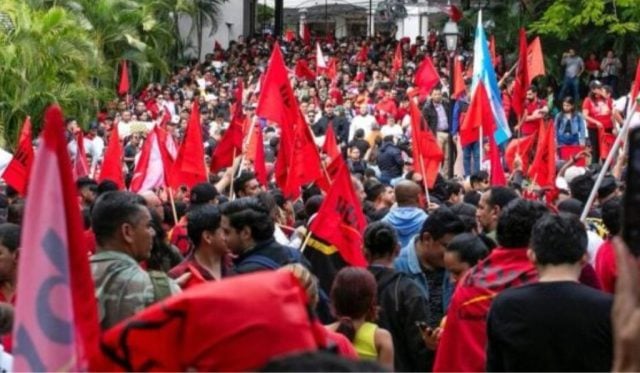
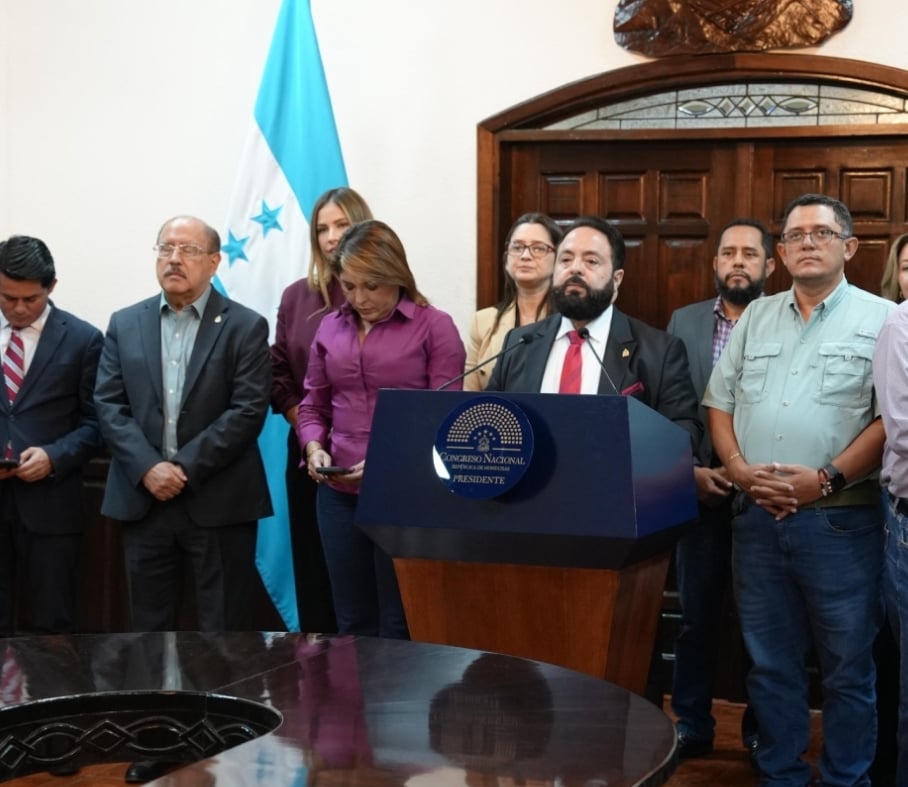
The Permanent Commission of the National Congress of Honduras raised alarming accusations on Wednesday, claiming the presence of ongoing electoral fraud and a «coup d’état in progress». They assert that coordinated actions have significantly compromised the integrity, transparency, and legitimacy of the electoral process held on November 30.
In an official statement, the legislative body detailed a series of irregularities that they believe render the elections invalid. The allegations include both external and internal pressures, as well as technical failures and administrative reforms that may have facilitated the manipulation of ballots.
“We denounce the existence of an ongoing electoral coup manifested through coordinated actions that have severely affected integrity, transparency, and adherence to constitutional processes, thereby damaging the legitimacy of the electoral proceedings,” the statement outlined.
Condemnation of Donald Trump’s Interference in Honduran Elections
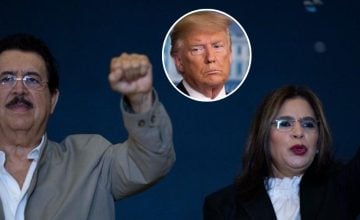
A highlighted point in the denunciation was the absolute condemnation of what they term as interference from U.S. President Donald Trump. This comes after public statements he made on social media within 72 hours of the elections, which they argue threatened and coerced the Honduran citizenry, undermining the free exercise of voting.
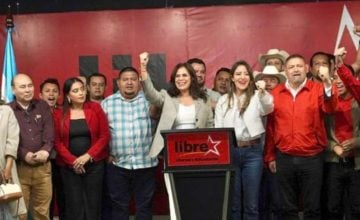
The President asserted that he would not collaborate with Honduras if the presidential candidate from the Liberty and Refoundation Party (LIBRE), Rixi Moncada, was elected. He conditioned his economic support on a victory for the oligarchy and their candidate, Nasry ‘Tito’ Asfura, from the National Party.
He also announced he would grant a pardon to Honduran President Juan Orlando Hernández, who has been sentenced to 45 years in U.S. prison for drug trafficking offenses.
“The posts shared on November 26 and 28 constitute unacceptable interference, a direct threat to the Honduran people, and a blatant violation of democratic principles and international law, aimed at influencing the vote through pressures, misinformation, and economic conditions. Furthermore, offering a political pardon to a convicted trafficker as an electoral bargaining chip represents an unprecedented act of coercion against the sovereignty of a country,” stated the commission.
Pressure from Organized Crime and Failed Transmission System
The third point of the Permanent Commission indicated that the National Congress would not validate the electoral process still underway, which has been tainted by pressures from “organized crime.”
“The National Congress will not validate a process marred by internal pressures from organized crime structures linked to drug trafficking, such as gangs like MS-13 and 18,” they emphasized in the statement.
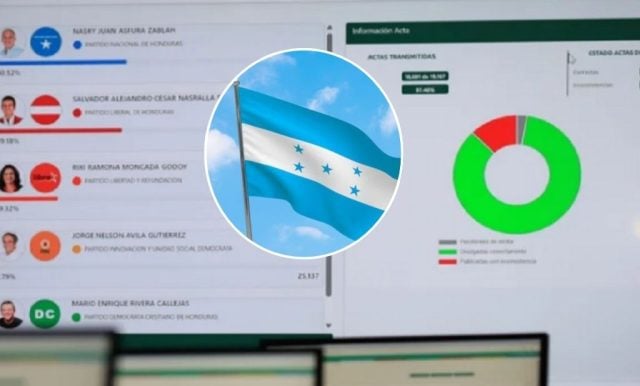
Furthermore, the parliamentary body reported significant failures in the Preliminary Electoral Results Transmission System (TREP), whose irregular operation coincided with audio recordings presented as evidence in ongoing investigations by the Attorney General’s Office.
Questioning the Biometric System
The most technical accusation centers on the alteration of the biometric verification system. Members of the Commission directly pointed to two councilors of the National Electoral Council (CNE) for approving reforms that eliminated the mandatory nature of this control.
“Councilors Ana Paola Hall García and Cossette López Osorio of the National Electoral Council (CNE), by majority vote (in Certification 2826-2025 of the CNE), approved reforms to eliminate the mandatory nature and effects of the validation rules for the use and/or biometric verification,” they stated.
“By removing the use of biometrics at the Voting Reception Boards, they contaminated the ballots and, with it, the TREP, enabling fraud in the elections by allowing political parties to manipulate and inflate the ballots and votes. This is why the process lost all credibility, rendering it null and fraudulent according to law,” they underscored.
They warned that these irregularities not only represent an electoral crime but also constitute a usurpation or circumvention of the National Congress, “as this State Power is the only one with the authority to create, reform, and interpret the laws of Honduras, including the Electoral Law,” the legislators remembered in the statement.
Call to the International Community
In light of this series of irregularities, the Permanent Commission took a firm stance on the invalidity of the elections.
“We assert that a people subjected to threats does not vote freely; therefore, elections conducted under such conditions lack full democratic and legal validity,” the body stated.
Finally, they called on electoral observation missions “to include in their final reports a detailed analysis of the events that took place, especially regarding external and internal threats, the failures of the TREP, and the administrative decisions that affected the biometric verification of votes.”
The Commission reaffirmed its commitment to “defend the Constitution, sovereignty, and the democratic will of the Honduran people against any attempts at manipulation or external intervention.”
This formal complaint from the Legislative Power introduces an unprecedented level of institutional crisis in the current electoral process, casting a significant shadow of doubt on the legitimacy of the results and challenging both national electoral authorities and the international community to address the serious allegations raised.