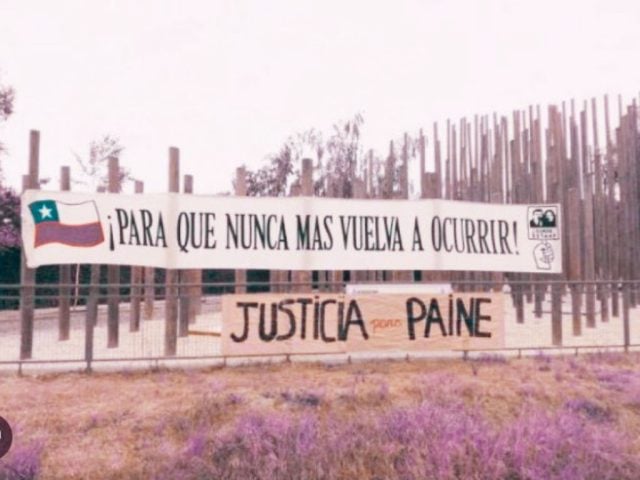
Original article: Ejecución de 14 campesinos de Paine en 1973: Plan Nacional de Búsqueda halla proyectil con material genético humano y envía muestras a Austria
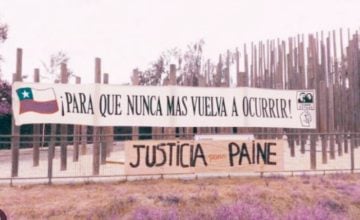
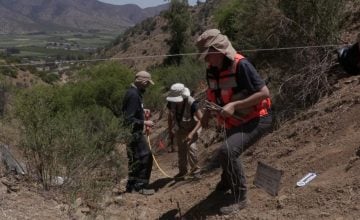
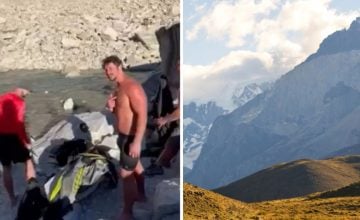
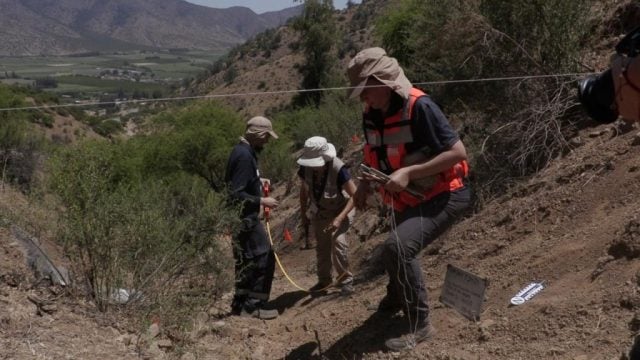
Over five decades since the execution of 14 farmers in Paine in 1973, the National Search Plan returned to Chada Hill with a specific goal: to revisit the site where, it is claimed, victims from the El Escorial sector were murdered by soldiers from the San Bernardo Infantry School. On Monday, the extraordinary visiting minister Marianela Cifuentes Alarcón reported on the results of this archaeological investigation, detailing findings that, while not including new bone remains, reignite a series of crucial forensic examinations.
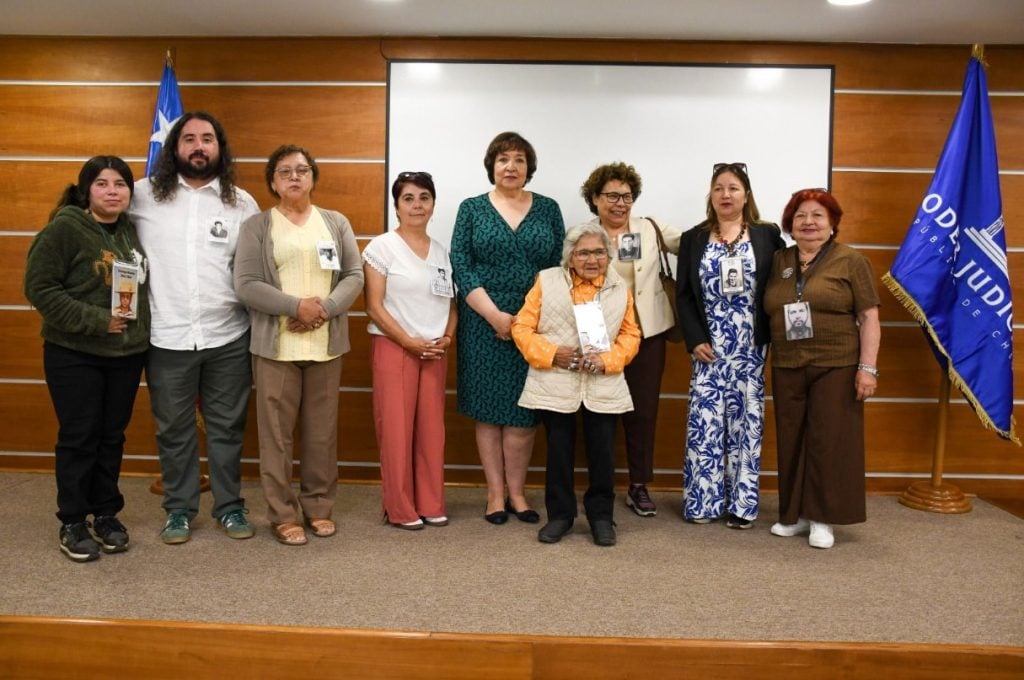
The hearing, held in the «Minister Héctor Solís Montiel» auditorium of the San Miguel Court of Appeals, brought together professional teams from the PDI’s Bridehu, the Legal Medical Service, the Central Criminalistics Laboratory, experts, and representatives from the Group of Families of Detained-Disappeared Persons from Paine. The objective was to share a technical and human closure on the work done under the National Search Plan, with families present since the initial proceedings.
National Search Plan: Review at Chada Hill for Paine 1973
Minister Cifuentes explained the importance of community involvement and victim participation in the search process. «The National Search Plan has a distinct focus on engaging victims in the search for those who were forcibly disappeared. They have been involved since the early archaeological surveys, and I made a commitment to hold an informational meeting once all examinations related to the evidence collected at the site were completed,» she noted.
In line with this, the minister recounted that the meeting allowed for a review of events at the site, the execution of the victims, the abandonment of their bodies, and how some remains were recovered in the 1990s, along with the specific objectives of the recent prospecting.
Findings: Ballistic Evidence, Genetic Material, and Sending Samples to Austria
In her summary, the judge specified what was discovered and what was not. «In summary, a significant amount of ballistic evidence related to the victims’ execution was discovered. Moreover, a projectile containing a capsule associated with human genetic material was found. Unfortunately, we could not locate new bone remains, but we informed that within the bags previously sent with bone remains to the Legal Medical Service, small fragments of human bone were recovered, three of which still allow for genetic material extraction. Arrangements have been made for these to be sent to a laboratory in Austria for examination,» she concluded.
This is noteworthy: the discovery of human genetic material within a capsule associated with a projectile, along with bone fragments that still permit DNA extraction, initiates a new phase of analysis that could provide new clarity in a case marked by the passage of time and the quest for truth.
Families and Closure of Proceedings
From the Group of Families of Detained-Disappeared and Executed Persons from Paine, president Flor Lazo Maldonado appreciated the tone and institutional work undertaken. «She was very emphatic in explaining to us, with tremendous delicacy, what would be done there and how, as immense work was carried out to reach these conclusions.»
Ultimately, the hearing provided not only technical results but also centered around those who have sustained the search for decades, reaffirming that the National Search Plan extends beyond the field necessity to include information, support, and accountability to victims and their families.
Relacionados
Search for Executed Farmers in Paine: Minister Cifuentes Reports Archaeological Findings at Chada Hill
Hace 2 meses