Original article: «Es una pésima señal para los derechos de las mujeres»: exdirectora de SernamEG cuestiona su despido en medio del tratamiento por cáncer de mama
«It’s a Terrible Signal for Women’s Rights»: Former SernamEG Director Questions Termination Amidst Breast Cancer Treatment
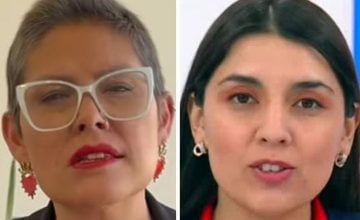
Priscilla Carrasco, the former national director of the National Women’s Service and Gender Equality (SernamEG), has raised concerns about the circumstances surrounding her dismissal, a decision that has sparked significant political and social controversy. She was ousted following a forced resignation request from the Minister of Women and Gender Equality, Judith Marín, at a time when she is undergoing treatment for breast cancer diagnosed in 2025.
Carrasco described the situation as «surprising» and warned that it sends «a terrible signal for the exercise of women’s rights.»
She noted that both Minister Marín and other officials in the department were aware of her diagnosis before her dismissal was processed.
«The minister was informed since I had a meeting with her prior to their assuming office, along with the deputy minister and all relevant authorities,» she asserted.
A psychologist and social worker by profession, Carrasco joined the public service through the High Public Management system, which prioritizes professional suitability over political loyalty. However, her departure occurred due to a forced resignation initiated by the Secretary of State herself, which, according to Carrasco, not only interrupts her management but also sends a concerning message to all women facing serious illnesses in the workplace.
«This is a complex situation, not just for me, but for all women who may receive a diagnosis like this. It is a terrible signal for women’s rights across Chile,» she cautioned.
Despite being in the midst of an oncology process that includes oral chemotherapy and immunotherapy every 21 days, Carrasco stated she never requested medical leave nor suspended her responsibilities at the helm of the service.
«I haven’t asked for licenses. I have worked daily, very committed to my function with the State,» she stated, emphasizing that her commitment to public service remained intact throughout her treatment, which she hopes to complete this winter.
This continuity in her work, according to her account, reinforces her belief that Minister Marín’s decision was not based on poor performance or an actual incapacity to fulfill her role.
Carrasco also questioned the consistency of the discourse, recalling that the Minister of Health under José Antonio Kast’s government stated that the fight against women’s cancer is one of her management’s pillars.
«I find it surprising because the minister has publicly stated that one of her key areas of work is women’s cancer, and I have been diagnosed with breast cancer since last year,» she said, as reported by Bio Bío Chile.
«Total and Absolute Regression»
For the former director, this case transcends personal dimensions and becomes a matter of labor and health rights, with profound implications for Chilean women. She argued that such situations impact not only the workplace but also the family, emotional, and social lives of oncology patients.
She remarked that the forced resignation request constitutes «a total and absolute regression» in terms of rights.
«This is a right to work and to health, especially regarding a diagnosis that is very common among us, like breast cancer,» she asserted.
«It’s a terrible signal for women in all dimensions of exercising their rights, and especially for women like us who are diagnosed and are oncology patients,» she reiterated.
In Carrasco’s view, this episode should open a broader discussion about how the State treats women who, despite facing severe illnesses, continue to contribute from their public positions.
Carrasco Will Take Action
When asked about her next steps following her departure, the former SernamEG director stated she would not remain passive regarding what she considers an unjustified measure.
«I am looking into legal, administrative, and judicial issues,» she noted, hinting that she is evaluating various actions to challenge the decision that ended her tenure.
Although she acknowledged understanding the procedures associated with High Public Management positions, through which she accessed her role, she insisted that the specific circumstances surrounding her dismissal warrant a more profound review.
Artículos Relacionados

Outrage Over Forced Resignation Request for Sernameg Director Undergoing Breast Cancer Treatment
Hace 13 horas