Original article: Jara corrige dichos sobre INNA en Antofagasta: “Proteger nuestros cielos es cuidar un tesoro natural, científico y cultural”
Presidential candidate from Unidad por Chile, Jeannette Jara, has clarified her comments regarding the controversial INNA megaproject, a green hydrogen initiative driven by AES Andes in Antofagasta. She emphasized that the project’s evaluation must ensure «an adequate distance from astronomical observatories.»
This clarification comes after receiving criticism from the scientific community, notably from astronomer Tere Paneque, who is part of her own civil society command.
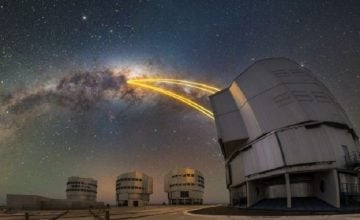
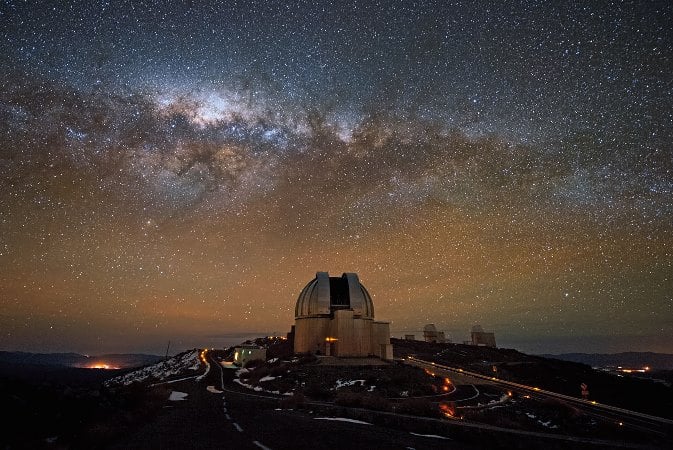
The INNA energy megaproject, proposed by the U.S. company, seeks to establish a production plant for liquid hydrogen and green ammonia over more than 3,000 hectares, located just a few kilometers from the Paranal Observatory of the European Southern Observatory (ESO) in the Atacama Desert—an area where scientific activities rely heavily on the quality of the night sky.
The Paranal Observatory hosts some of the world’s most advanced telescopes, including the Very Large Telescope (VLT), and is set to accommodate the Extremely Large Telescope (ELT), which is currently under construction and will be the largest optical and infrared telescope globally.
According to ESO’s latest analysis, the AES Andes industrial complex could cause light pollution exceeding 200% for the future Cherenkov Telescope Array Observatory (CTAO) project and over 170% for Paranal, adversely affecting astronomical observations in this region, which is considered one of the best in the world.
Criticism from Paneque and Maza
During the latest presidential debate hosted by Anatel, Jeannette Jara stated that if elected to La Moneda, she would press ahead with the green hydrogen project despite its proximity to the Paranal Observatory, citing a commitment to employment and the opportunities that lie ahead for Chile.
Meanwhile, the Republican Party’s presidential candidate, José Antonio Kast, argued that «if we want to address employment, let’s move forward with the Dominga project, advance with mining projects in areas that do not pollute Chilean skies… these skies are unique on a global scale. Are they suggesting a green hydrogen plant where it could be placed further south?»
Tere Paneque, expressing her dissatisfaction through an Instagram story, commented, «In response to your insistence, let me say that I did not like either of your answers.»
She added, «Everyone knows the battle we have fought here and from various astronomical institutions to change the project’s location. It is indeed a complex issue for a society with diverse priorities, so it is unfair that we must choose between one or the other.»
The writer emphasized that relocating INNA is not just about astronomy and its ‘fame’; it is also about its impact on a broader ecosystem, protected species, and local communities.
«If we want to progress, we must consider everything, not just the sky, not just the jobs (that observatories also provide),» she challenged.
Paneque further questioned the focus of the debate and the responsibility of scientists in public discourse.
«It is clear that we from the scientific community must continue to raise our voices on political matters, and pushing candidates towards a dichotomous choice is not correct. As elections approach, my decision remains unchanged. The only reason this is newsworthy is that we all know the scientific and environmental vision of each candidate; let’s not deceive ourselves,» she concluded.
Finally, she expressed her hope that «this enthusiasm and interest continue; the INNA project is still under environmental evaluation, and we need to keep discussing it to protect our natural laboratories.»
On his part, astronomer José Maza noted that Chile must urgently advance in green hydrogen; however, he claimed the project should be located «50 kilometers further south, south of Taltal,» to avoid impacts on astronomical observation.
«This is like wanting to place a nightclub next to a cathedral. The nightclub can be moved to another location… the cathedral arrived first,» he stated in an interview with Emol.
Jara Clarifies Remarks on INNA
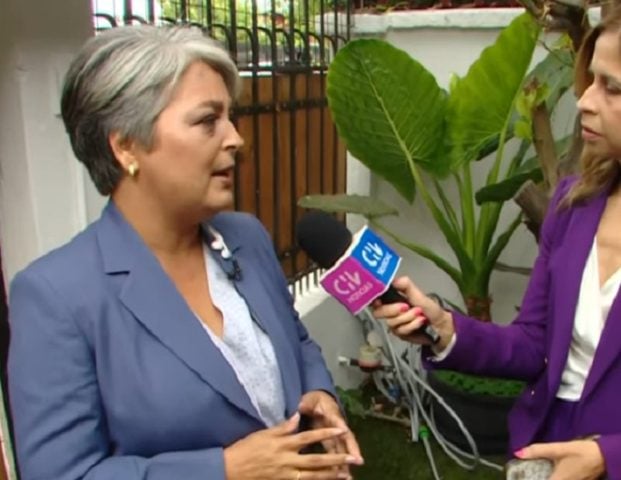
In light of these statements, the progressive candidate Jeannette Jara took to social media platform X (formerly Twitter) to clarify her stance, stating that «protecting our skies means safeguarding a natural, scientific, and cultural treasure that belongs to all of us.»
She proposed that the decision regarding the project should be based on «strict technical evaluations» ensuring an adequate distance from astronomical observatories, safeguarding their operations and Chile’s prestige as a global leader in astronomy.
Jara concluded her argument by seeking a balance between economic development and the preservation of national heritage.
«We can advance in development and employment, yes, but without jeopardizing what makes us unique: our clear skies, our scientists, and the deep connection of communities with their territories,» she asserted.