Original article: Justicia en entredicho: la ofensiva judicial de Hernández Norambuena
By Camila Sierra
The foundations of Chile’s judicial system are crumbling. Mauricio Hernández Norambuena strikes another blow against the prevailing climate of corruption by filing a well-grounded and coherent lawsuit alleging misconduct, bribery, and breach of secrecy.
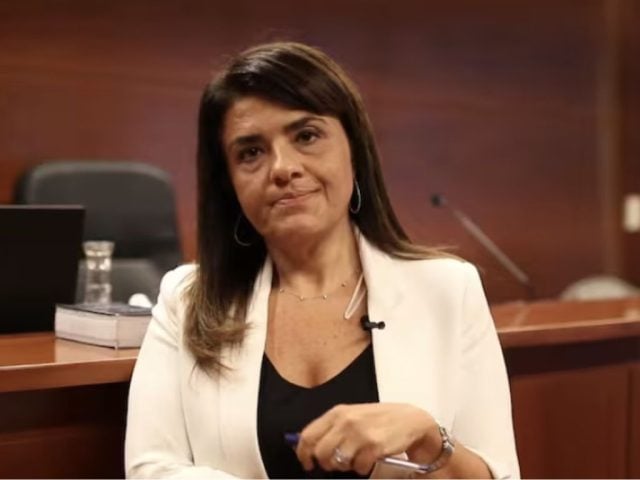
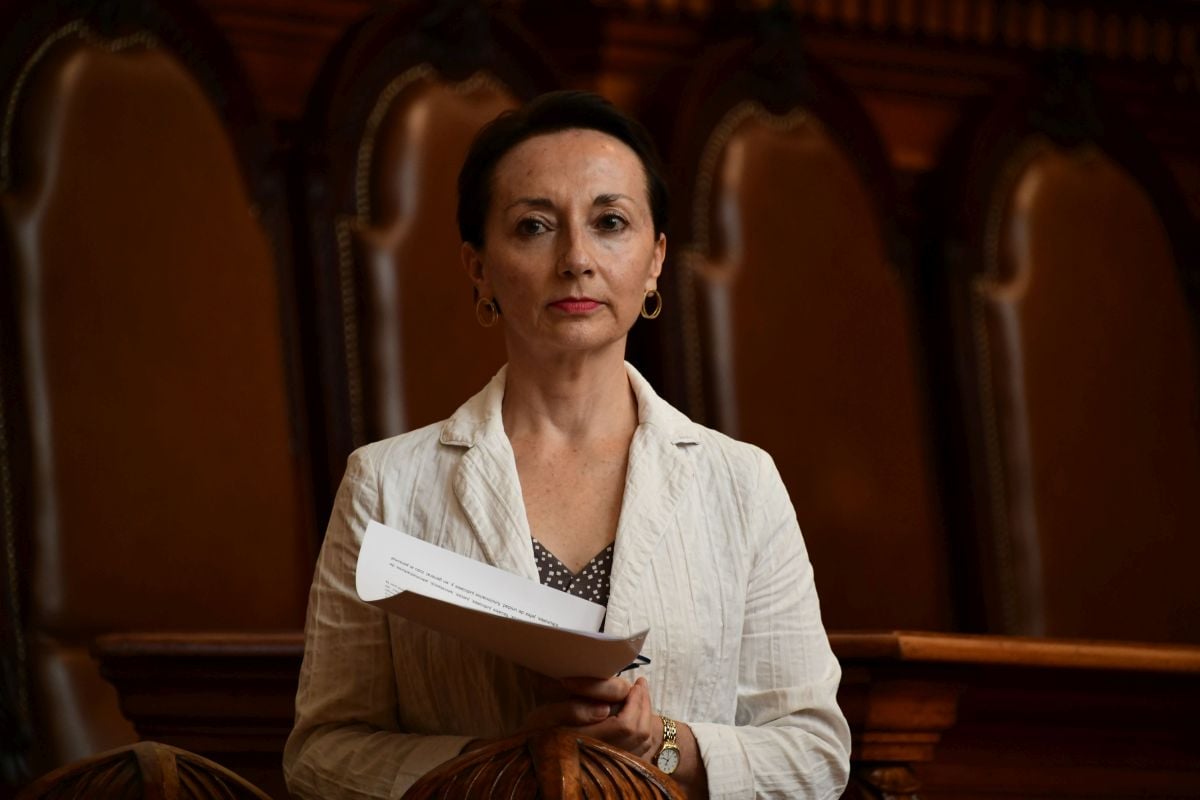
This legal action, which has been accepted for processing by the Seventh Criminal Court of Santiago, directly targets the current Supreme Court minister, Mario Carroza Espinosa, Santiago Court of Appeals minister, Guillermo de la Barra Dünner, and attorney Luis Hermosilla Osorio.
The «Lost Years» in Brazil
The core of the lawsuit stems from a decision made by then-Minister Mario Carroza on September 2, 2019. According to the document, following the extradition of Hernández Norambuena from Brazil, Carroza refused to credit the majority of the time that the claimant spent in preventive detention for extradition purposes in that country.
While the Brazilian authorities indicated that approximately three years, six months, and 13 days (the period between April 2003 and November 2006) should be credited, Minister Carroza acknowledged only 12 days, willfully ignoring international commitments such as the MERCOSUR Extradition Agreement and Brazilian laws requiring that this time be counted toward the final sentence.
Hernández Norambuena’s attorneys, Yanira González Henríquez and Mauricio Menares Hernández, explain, «The issue is technical but straightforward: at the time someone is extradited, the time spent in custody abroad awaiting that process must be subtracted from their final sentence in Chile. Sources indicate that the MERCOSUR Extradition Agreement and Brazilian law obligated the State of Chile to acknowledge this time.»
Confirming this, the attorney provided an important detail: «Brazil sent a Diplomatic Note formally noting that the time to be credited spanned from April 2003 to November 2006, amounting to about 3 years and 6 months. However, Carroza disregarded these international rules and Brazil’s official documents and ultimately recognized only 12 days of credit,» stated Yanira González, sponsor of the cause.
This results in a significant discrepancy, as mentioned in the lawsuit. According to Hernández Norambuena’s lawyers’ calculations, he has completed ten years of the thirty-year sentence. However, had the corresponding credit been recognized, the remaining years would be considerably fewer, especially since the former guerrilla fighter is nearing 70 years of age. Regardless, his defense states that the situation constitutes illegality, which they deem «serious.»
Connections Revealed by the «Audios Case» and Carroza’s Ineligibility
The lawsuit presented against one of the individuals involved in the “Audios Case” contends that this ruling was not a legal error but rather the result of an improper close friendship and collaboration between Judge Carroza and attorney Luis Hermosilla.
At the time of the ruling, Hermosilla was acting as the representative for Jaime Guzmán’s family while simultaneously serving as an advisor for the Ministry of the Interior, both plaintiffs in the case. Due to leaks from the aforementioned case, chats were revealed indicating an exchange of favors and a «close familiarity» between Hermosilla and Carroza.
The messages reveal that Carroza may have leaked information regarding judicial appointments to Hermosilla, who, in turn, managed political support for Carroza’s ascension to the Supreme Court. Legally, this relationship should have disqualified Carroza from involvement. Article 196 N°15 of the Organic Code of Courts mandates a judge to withdraw if they have a manifest friendship with any of the parties involved.
Hernández’s defense lawyers are emphatic: «The minister did not disqualify himself mainly because we believe he preferred to keep his friendship secret so that no one would doubt his impartiality during the process.»
To further emphasize this point, Mauricio Menares states: «Article 320 of the same code also prohibits judges from discussing their cases privately or meeting attorneys outside their workplace or office. Ignoring this rule violates Article 19 N°3 of the Constitution and Article 8 of the American Convention on Human Rights, which are the golden rules ensuring that everyone is judged by someone impartial and not a ‘friend’ of the opposing attorney.»
By failing to adhere to the law and not recusing himself, Carroza ultimately issued a 2019 ruling that denied almost all of the credit due to Hernández Norambuena, conceding only 12 days instead of the three and a half years that were legally warranted. «Essentially, it is suspected that this decision was a favor named explicitly to satisfy his friend Hermosilla and the interests he represented, in this case, the Independent Democratic Union (UDI) and primarily Jaime Guzmán’s family,» concluded the defense attorney.
The suit suggests that this was a form of «favor trading» or a reward, as shortly after that ruling, Hermosilla leveraged his contacts in the government to have Mario Carroza appointed as Minister of the Supreme Court.
“The chats that surfaced indicate that both operated within a mutual favor network, where Hermosilla communicated with ministers and advisors to expedite Carroza’s appointment, while the judge leaked confidential documents or recommended individuals for other positions. Ultimately, it seems they cared more about maintaining their power and influence than adhering to the treaties and laws that mandated the judge to recuse himself from the case,” claim the attorneys sponsoring the lawsuit.
Criminal Accusations Against Hermosilla, Carroza, and De la Barra
The lawsuit outlines three key criminal charges to understand the gravity of the allegations:
Misconduct. The judges are accused of issuing resolutions that are clearly contrary to the law, knowingly compromising the freedom of the claimant. In this case, the failure to credit the years reported by the Brazilian state to Hernández Norambuena, due to the previously mentioned close friendship revealed by the Audios Case.
The second crime they are accused of is bribery. An investigation is underway to determine if there were benefits or promises (such as promotion to the Supreme Court) in exchange for favorable judicial decisions for Hermosilla’s interests and those he represented, namely Jaime Guzman’s family.
Lastly, breach of confidentiality points to the provision of private information and judicial documents by the judges to the attorney outside official channels.
The Implications of Guillermo de la Barra Dünner
The legal action also includes Supreme Court Minister Guillermo de la Barra, who in June 2023 rejected a request for the prescription of penalties. This means he dismissed the defense’s request using a criterion that they argue is illegal: basing calculations on the original sentences of life imprisonment rather than the current 15-year terms effective since the 2019 amendment. By consciously ignoring the new sentences, the judge blocked any chance of reducing the sentence, leaving Mauricio Hernández with approximately 20 more years of effective imprisonment ahead.
“The lack of recognition severely impacts our client, Mauricio Hernández, forcing him to spend far more years in prison than legally warranted. According to the legal action, this ruling was not a mere technical error but a decision ‘against the law’, as it disregards the principle of legality and Article 97 of the Penal Code, which constitutes a presumed crime of misconduct. In practice, this denial acts as a second critical blow to his liberty—after the issue of credits—because it closes legal avenues to shorten his prison stay and keeps him in a situation of confinement much graver than it should be under his current legal status,” asserts Hernández’s defense.
The lawsuit calls for investigating whether De la Barra acted under pressures from Hermosilla and Carroza’s networks of influence to maintain Hernández Norambuena’s deprivation of liberty, which, as emphasized by the former guerrilla’s attorney, violates the principle of legal legality.
The Impact on the Claimant
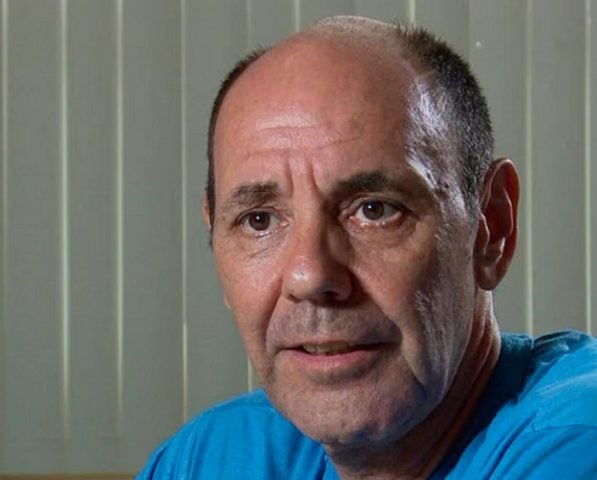
Hernández Norambuena, who is currently serving a total of 30 years in the Rancagua Penitentiary Complex, emphasizes that these irregularities directly impact his life and freedom. The lack of acknowledgement of the more than three years served in Brazil unlawfully extends his incarceration.
The defense has requested urgent measures, including the seizure of electronic devices from Minister Carroza and full access to Luis Hermosilla’s chats to determine the full extent of these extrajudicial dealings.
Finally, Yanira González states, «Had the judge disqualified himself as he should have, another magistrate would have to adhere to the treaties and today Hernández Norambuena’s time in prison would be much shorter.»
Artículos Relacionados
IACHR Holds Brazil Accountable for Inhumane Prison Conditions Faced by Mauricio Hernández Norambuena
Hace 2 meses


Supreme Court Upholds Charges Against Former Minister Verónica Sabaj for Serious Judicial Corruption Offenses
Hace 2 semanas
Supreme Court Approves Formal Charges Against Former Prosecutor Guerra in Connection to Hermosilla
Hace 1 mes
Supreme Court Upholds 17-Year Prison Sentence for Former PDI Director Héctor Espinosa for Embezzlement and Money Laundering
Hace 2 semanas