Original article: Proyecto Latam-GPT: Costa Rica se incorpora a iniciativa de Chile sobre inteligencia artificial
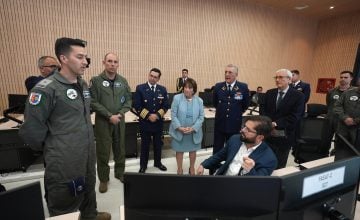
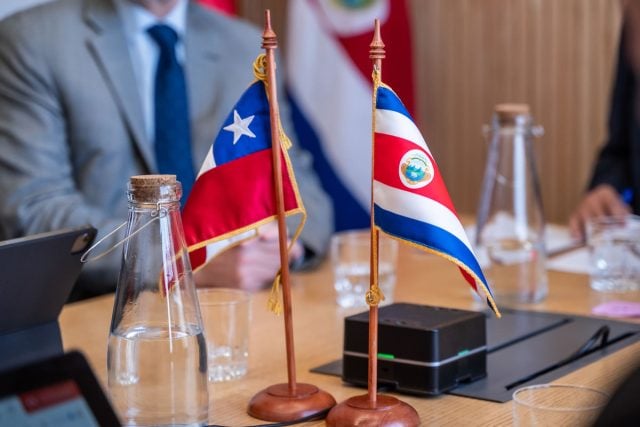
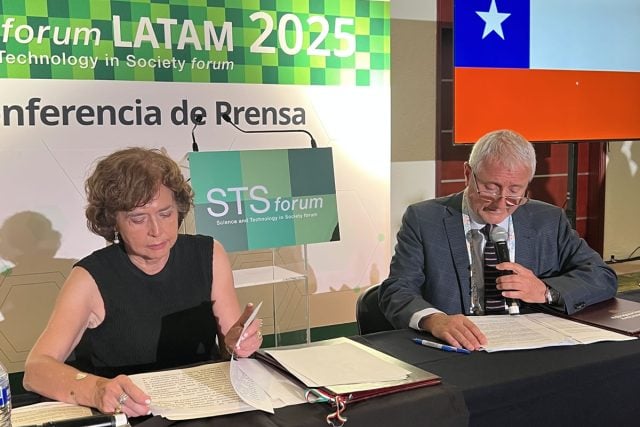
A significant advancement in regional scientific and technological cooperation occurred this Thursday with the signing of a Memorandum of Understanding (MoU), formalizing Costa Rica’s entry into the Latam-GPT project, an initiative led by Chile aimed at developing a language model for Latin America and the Caribbean.
The agreement, signed between Chile’s Ministry of Science, Technology, Knowledge and Innovation (MinCiencia) and Costa Rica’s Ministry of Science, Innovation, Technology and Telecommunications (MICITT), reinforces the formation of a regional agenda on artificial intelligence grounded in principles of ethics, responsibility, and shared technological sovereignty.
The document lays out a cooperative framework for the joint development of Latam-GPT, envisioned as a strategic infrastructure for the region.
Among its primary objectives is the preservation of Latin America’s digital heritage through collaborative data collection that reflects the cultural, social, and linguistic diversity of the participating countries, as well as the establishment of standards and protocols for the ethical use of information.
“Chile and Costa Rica share a profound vision of science, technology, and innovation as engines of democratic progress, equity, and well-being. This signing symbolizes not only a bilateral alliance but also a shared commitment to contribute to the technological autonomy of Latin America and the Caribbean,” stated Aldo Valle, Minister of Science, Technology, Knowledge, and Innovation.
The agreement also promotes innovation and joint technological development by leveraging the scientific and technical capabilities of both nations. Within this framework, progress will be made on designing the language model and creating evaluation methodologies that ensure adequate representation of the regional diversity.
“Costa Rica’s incorporation into the Latam-GPT project represents a strategic step to ensure that the development of artificial intelligence in the region aligns with our values, cultural diversity, and social realities. We advocate for ethical, inclusive artificial intelligence built from Latin America, with technological sovereignty and a focus on serving the people,” noted Paula Bogantes Zamora, Costa Rica’s Minister of Science, Innovation, Technology, and Telecommunications.
Coordination and Implementation
Another relevant focus is the promotion of joint scientific research through collaborative projects among academic institutions and research centers, in addition to the exchange of knowledge, methodologies, and best practices in the field of artificial intelligence.
“The objective is to create language models that represent us, reflecting our idiosyncrasies, cultures, languages, arts, and social realities, allowing us to feel like active participants in the global revolution of knowledge and artificial intelligence, rooted in our unique and shared regional identity,” commented Mónica Soto, Director of Operations at the National Artificial Intelligence Center (CENIA).

To implement the agreement, each country will designate a national technical counterpart within 30 days from the MoU’s entry into force. In Chile, this role will be taken on by the National Artificial Intelligence Center (CENIA), while in Costa Rica, it will be managed by the Research, Development, and Innovation Directorate of the MICITT.
These entities will coordinate national ecosystems of science, technology, and culture, integrate datasets into the regional digital heritage, and promote participation among technical teams and collaborative projects.
The memorandum will be implemented according to the internal legislation of each country and will allow for the participation of public institutions, the private sector, and civil society. The agreement does not entail additional financial commitments for the states and will have an initial validity of one year, automatically extendable for up to four years.
The Citizen
Relacionados
Chile and Mexico Sign Agreement to Foster Responsible Development of Artificial Intelligence
Hace 2 meses