Original article: Maestranza Ukamau II: Cuando la vivienda es dignidad organizada
By Damaris Astete Marchant, spokesperson for Ukamau
The recent key handover ceremony on February 20 for 200 families at the Maestranza Ukamau II project was not merely a ceremonial event. It marked the culmination of years of struggle and organization: endless assemblies, community training, social mobilization, and collective perseverance.
This occasion confirmed that housing is not a charity benefit granted, but a right that must be fought for.
Much like its predecessor Maestranza Ukamau I, this new project spearheaded by the Ukamau People’s Movement transcends the mere act of handing over apartments.
It encompasses the stories of women who raised children alone, enduring the uncertainties of rental and overcrowding; of elderly individuals who dreamed of aging in a secure and personal space; and of working families who have sustained their organization over the years with the belief that a life beyond marginalization and precarity was indeed possible.
The housing crisis in Chile demands solutions that go beyond traditional subsidies. For decades, public policy has succeeded in reducing the quantitative deficit, but at the cost of deepening segregation: isolated neighborhoods lacking services, with poor connectivity and limited community infrastructure. The numbers were addressed, but not the right to the city.
From my professional and activist experiences, I have learned that the success of such processes does not solely depend on access to land or available funding. True transformation occurs when residents take a leading role in collective organization and in shaping their own territory.
Because without an organized community, housing reduces to a mere material structure; however, when conscious and coordinated participation exists, it evolves into a shared life project.
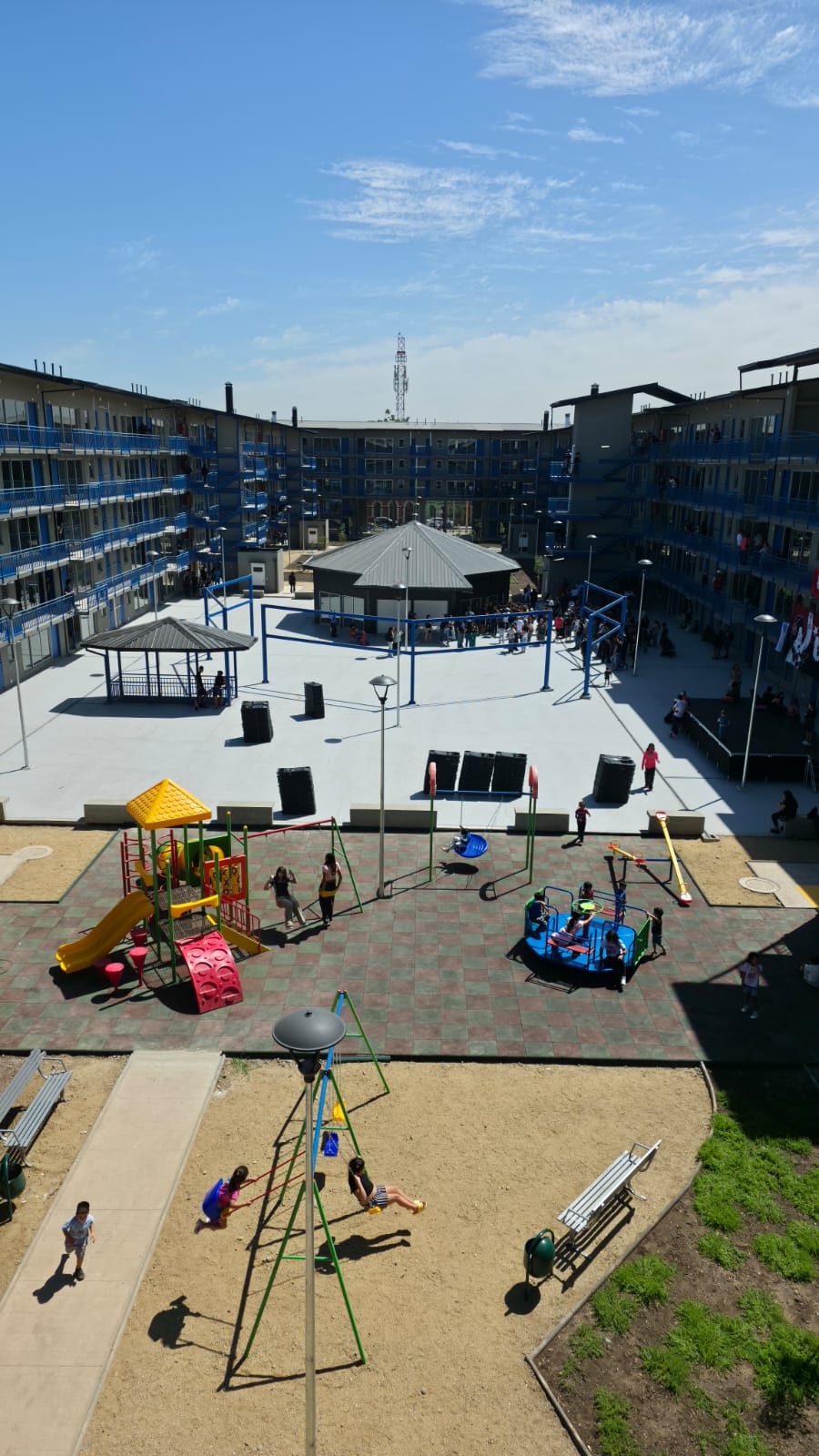
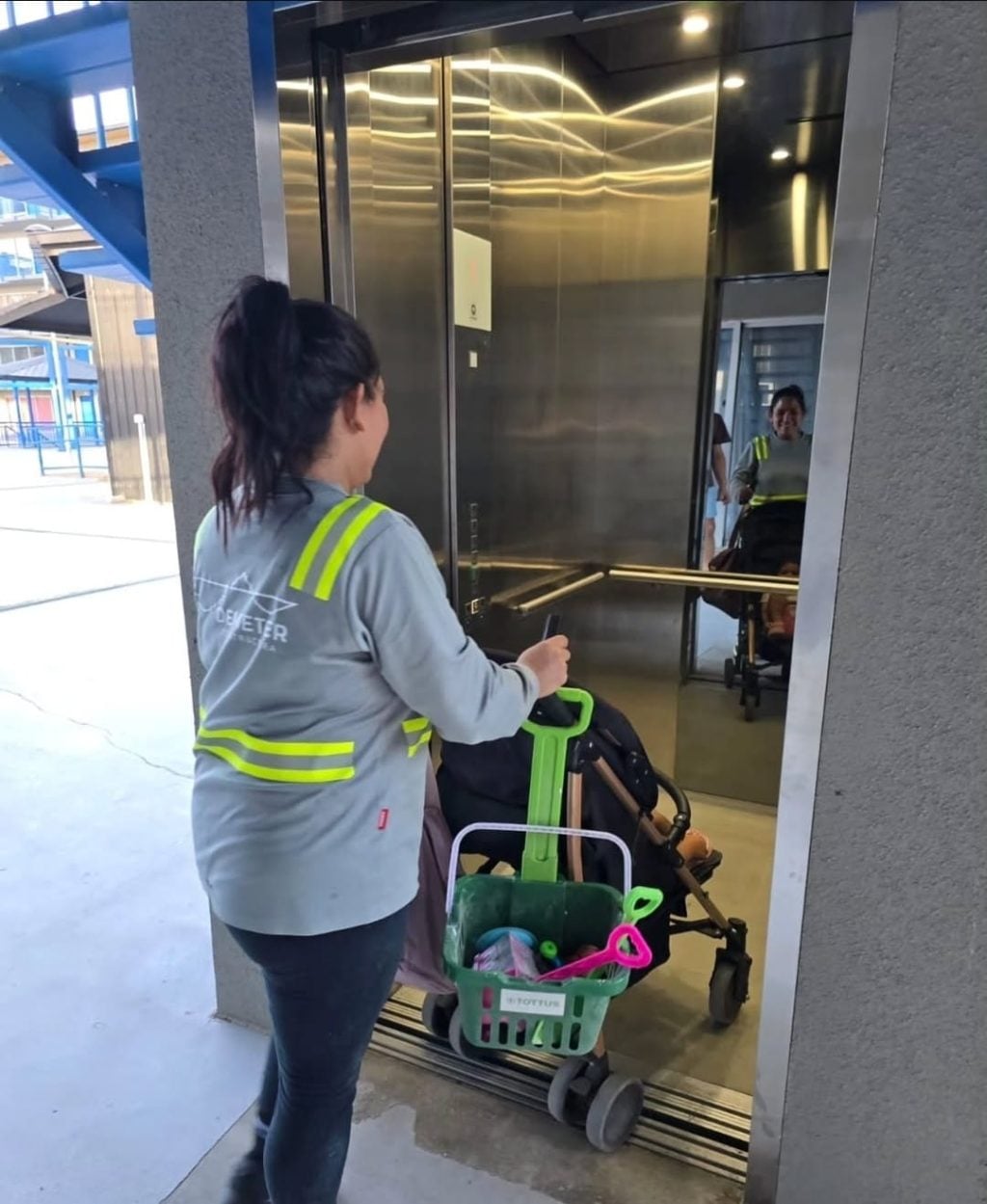
Maestranza Ukamau II symbolizes a significant technical and ethical advancement in urban justice standards. The inclusion of elevators, underground parking, and a design that places common areas at the project’s heart are not luxuries or decorative additions: they are political decisions. They signify accessibility for the elderly, enhanced security, improved quality of life, and recognition that popular sectors also deserve high-standard infrastructure.
Architecture is not neutral here. The hallways connecting the condominium, community center, green spaces, and play and sports areas are part of an integrated concept of habitation. As Jane Jacobs argued, urban vitality depends on daily interactions and vibrant public spaces. Without adequate common spaces, there is no community; without community, there can be no mutual care or genuine safety.
Moreover, the right to the city — a concept developed by David Harvey — entails not just residing in a property but actively participating in the production of urban space. Both Maestranza Ukamau neighborhoods embody this concept: families were not passive recipients of housing solutions but active protagonists from design to final execution.
Training in community coexistence, establishing internal regulations, and learning property management show that housing does not end with the key handover; it is merely the beginning of the challenge to build a community.
This project demonstrates that it is technically and socially possible to build to high standards without displacing families from the city or their networks of origin. It shows that social housing need not be synonymous with precarity or marginalization. Moreover, it highlights something deeper: when communities organize persistently, they challenge the paradigm and raise the standard for all public policy.
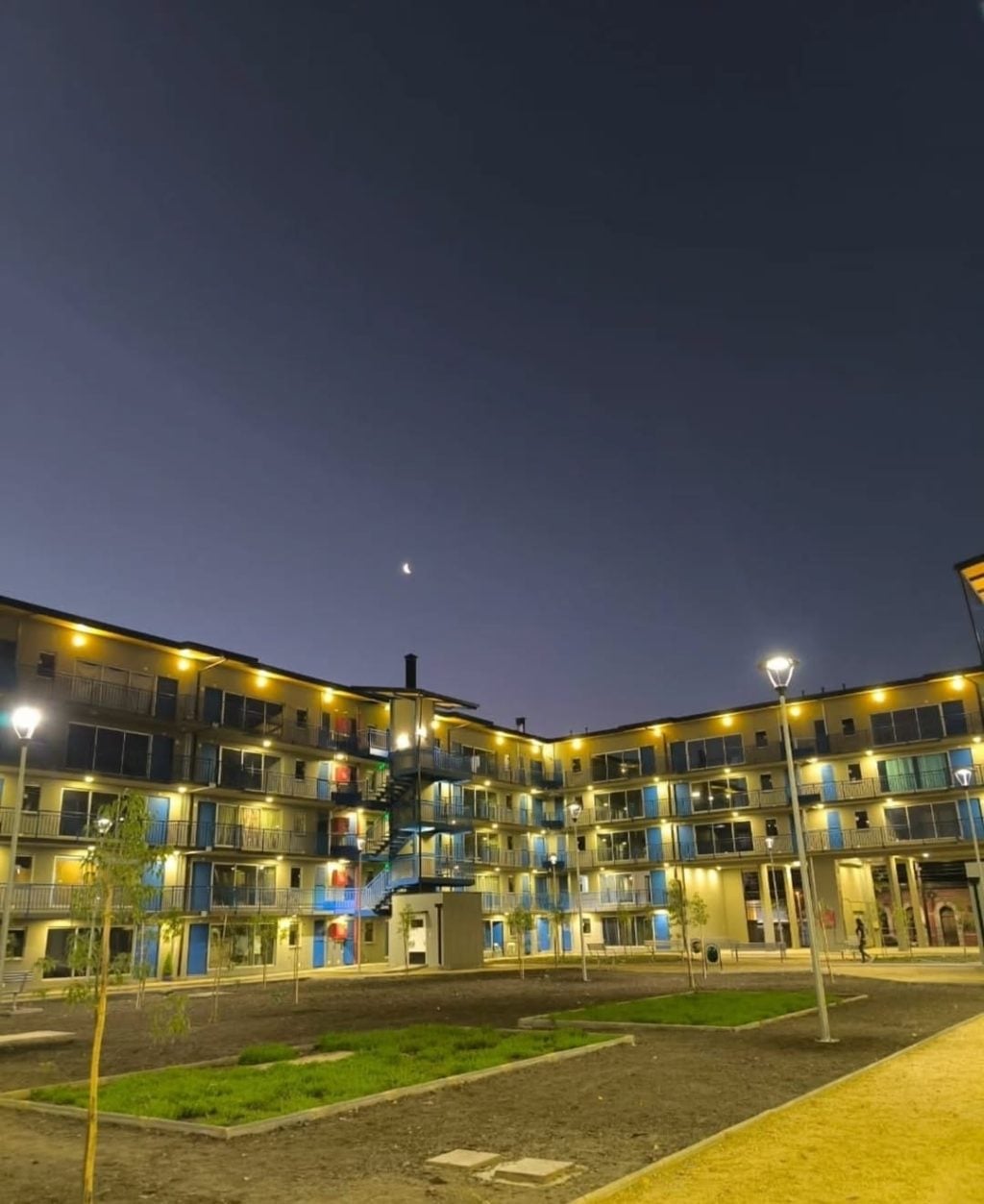
Maestranza Ukamau II is not the final destination. It sets a precedent and opens the debate around the necessity to enshrine, by law and not just through decrees, minimum housing standards: good location, universal accessibility, sufficient community spaces, urban integration, and binding participation of future residents.
The 200 keys handed out do not just unlock apartment doors. They open the possibility to build neighborhoods, strengthen networks, raise children in dignified spaces, and age with peace of mind. They demonstrate that when popular organization is sustained over time, the city can also transform.
Discussing Maestranza Ukamau II is not merely about square meters or building materials. It’s about a victory against a segregated city model. I have witnessed how territorial design can become an act of resistance when the community stops being a spectator and takes on the role of architect of their own well-being.
In the end, Maestranza Ukamau II shows that when housing arises from organized dignity, what is built is not just houses: it is community, belonging, and a shared future.
(*) Damaris Astete Marchant is a Social Worker, Territorial Manager, and holds a Diploma in Building Territories for Good Living and Cooperative Housing.
Relacionados
Chiguayante: Eureka Committee Secures Land for Housing Project After 15 Years of Collective Struggle
Hace 1 mes
Government Unveils Housing Project for San Antonio Settlement: Land Expropriation Announced
Hace 3 meses
Housing Committee Leaders Protest at Macul City Council Demanding Urgent Housing Solutions
Hace 3 meses