Original article: Presos políticos mapuche del caso Quilleco inician huelga de hambre: exigen anular el juicio
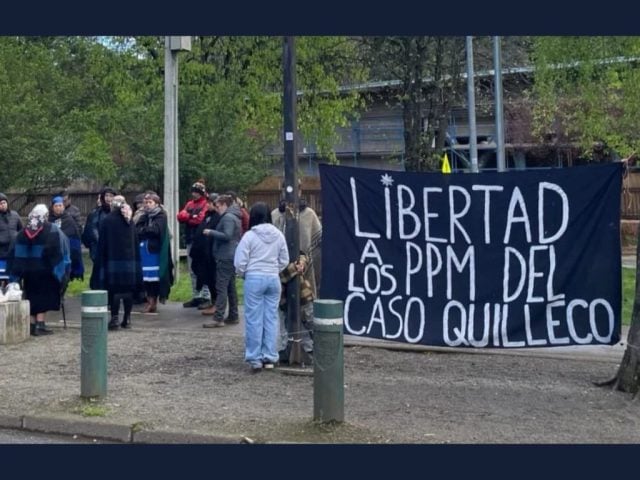
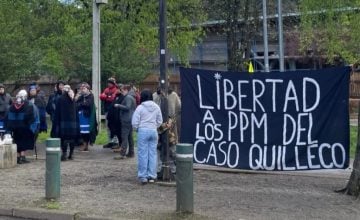
The Quilleco Case adds a new chapter of unrest. According to a statement received by our editorial team, Mapuche political prisoners have started an indefinite hunger strike, claiming violations of due process related to the sentencing handed down in January.
In the document, the political prisoners communicate their current situation and emphasize that their action is not symbolic: they demand the nullification of the convicted trial, insist on respect for due process, and also address the harsh prison conditions in the Mapuche wing at the Temuco Penitentiary Center (CCP).
Indefinite Hunger Strike in Quilleco Case: Demands Raised by Mapuche Political Prisoners
The statement outlines:
“Through this document, we want to communicate our current status as political prisoners of the Quilleco case. Today, February 16, 2026, we have initiated an indefinite hunger strike demanding the following:
1.- The annulment of the conviction we received on January 20, 2026, at the Criminal Court of Los Ángeles, sentencing us to 15 and 17 years in prison.
2.- Respect for due process and an end to political convictions.
3.- Improvements to the prison conditions within the Mapuche module at the CCP Temuco.”
The text positions the hunger strike as a response to a conviction that, they argue, was established under unfavorable conditions for the defense and reflects a pattern of criminalization that is not new to Mapuche organizations and social movements following the case.
Indefinite Hunger Strike in Quilleco Case: The January Sentencing and Underlying Process Context
This hunger strike begins weeks after the conviction handed down on Tuesday, January 20, 2026, by the Oral Criminal Court of Los Ángeles. In that ruling, seven Mapuche community members received prison sentences of 17, 15, 7, and 5 years related to accusations involving the burning of trucks and threats stemming from events on October 13, 2023, in the municipality of Quilleco.
According to judicial information, Óscar Cañupan, José Lienqueo, Bastián Llaitul, Axel Campos, and Roberto Garling were sentenced for the arson of two trucks and threats. They were acquitted of the charge of criminal association and also of charges for attempted homicide against police officers. Meanwhile, Rafael Pichún Collonao and Tania Sagal were convicted as intellectual authors of the truck fire but acquitted of the charge of completed arson.
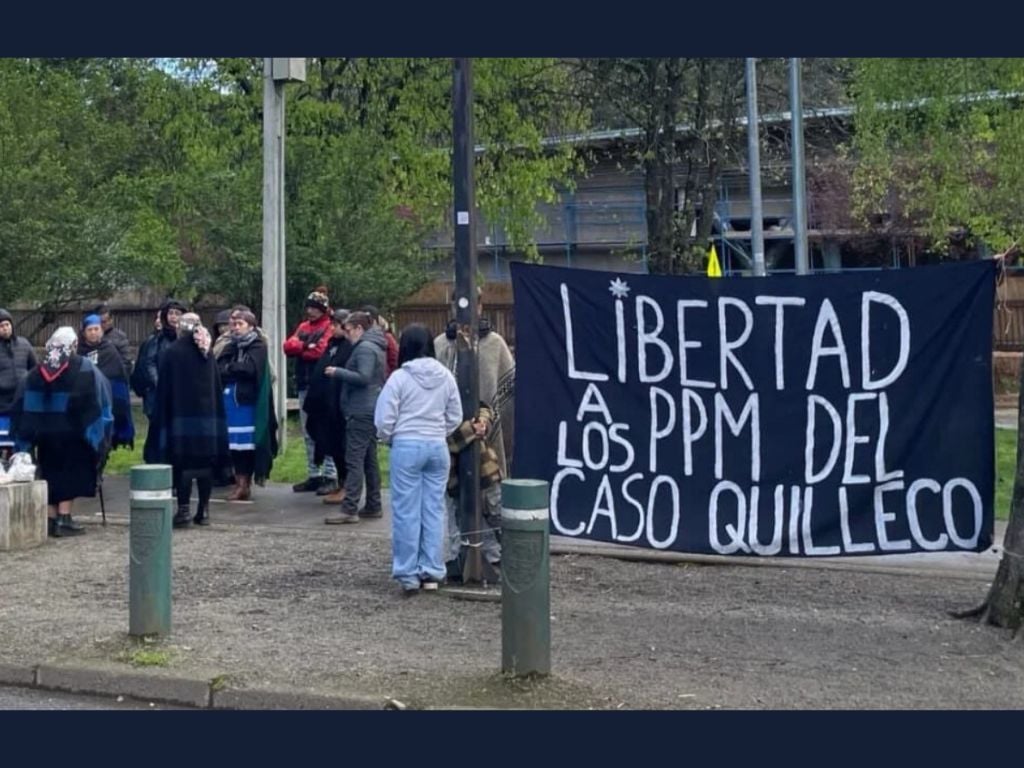
The context of the case includes a pretrial detention that—according to the provided information—lasted more than two years for five of the defendants, starting from October 13, 2023, in addition to deferrals of the trial. Irregularities reported during the investigation are also noted, such as questionable reformulations, late or incomplete evidence submissions to the defense, and the use of faceless witnesses connected to the forestry sector.
The process also included private and state complainants: Forestal Arauco (Group Angelini), a contractor of Forestal Mininco/CMPC (Grupo Matte), Transportes Inostroza, the Presidential Delegation of Biobío, and the Public Prosecutor’s Office. It is also mentioned that the case was led by Prosecutor Juan Yáñez.
This is not the first time the case has escalated to pressure measures: during this period, the Mapuche political prisoners of the Quilleco Case have conducted two prior hunger strikes to secure basic guarantees, such as in-person attendance at hearings and respect for a reasonable timeframe. Today, the new hunger strike raises a fundamental question: Is there real due process for everyone, or are there exemplary convictions when it comes to Mapuche community members?
Relacionados
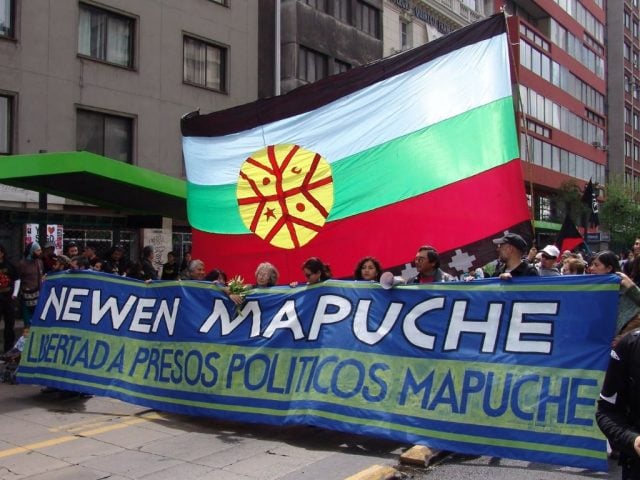
Quilleco Case: Trial Postponed Again Due to Lack of Judges, Raising Concerns Over Legal Irregularities
Hace 3 meses
Presos políticos mapuche del caso Quilleco inician huelga de hambre: exigen anular el juicio
Hace 1 minuto