Original article: Premio Nacional de Innovación Alimentaria: Científicas de la U. de Chile transforman el cochayuyo en la proteína del futuro
Chile boasts a vast coastline and abundant macroalgae, yet their presence in the everyday diet of Chileans remains limited.
A study revealed that in 2019, out of the 15 kg of seafood consumed annually by Chileans, only 0.19 kg came from seaweed.
Simultaneously, there has been a strong rise in the search for alternative proteins in recent years, driven by the need to produce sufficient and nutritious food while using fewer resources and minimizing environmental impact.
To address this gap and contribute to the development of what are termed «foods of the future,» a group of researchers from the University of Chile developed a biotechnological process based on fungal fermentation, significantly enhancing the nutritional quality of seaweed and increasing the absorption of its proteins.
The result of this research is a highly digestible mycoprotein that opens new possibilities for incorporating marine biomass into food products that are more accessible and appealing to human consumption.
The study was published in the scientific journal Molecules, in the section «Effects of Functional Foods and Dietary Bioactives on Human Health,» under the title ‘In Vitro Bioaccessibility of Edible Seaweed Proteins from the Chilean Coast and Proteins from the Novel Seaweed-Derived Mycoprotein.’
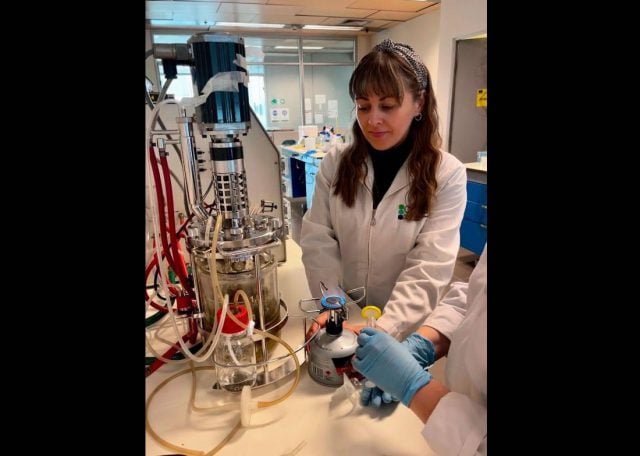
This research was led by Dr. Catalina Landeta Salgado, a professor at the Faculty of Chemical and Pharmaceutical Sciences at the University of Chile, in collaboration with scientists Javiera Munizaga, María Paz González, Anamaría Daza, Irene Martínez, and Dr. María Elena Lienqueo, researchers from the Department of Chemical Engineering, Biotechnology and Materials and the Centre for Biotechnology and Bioengineering (CeBiB).
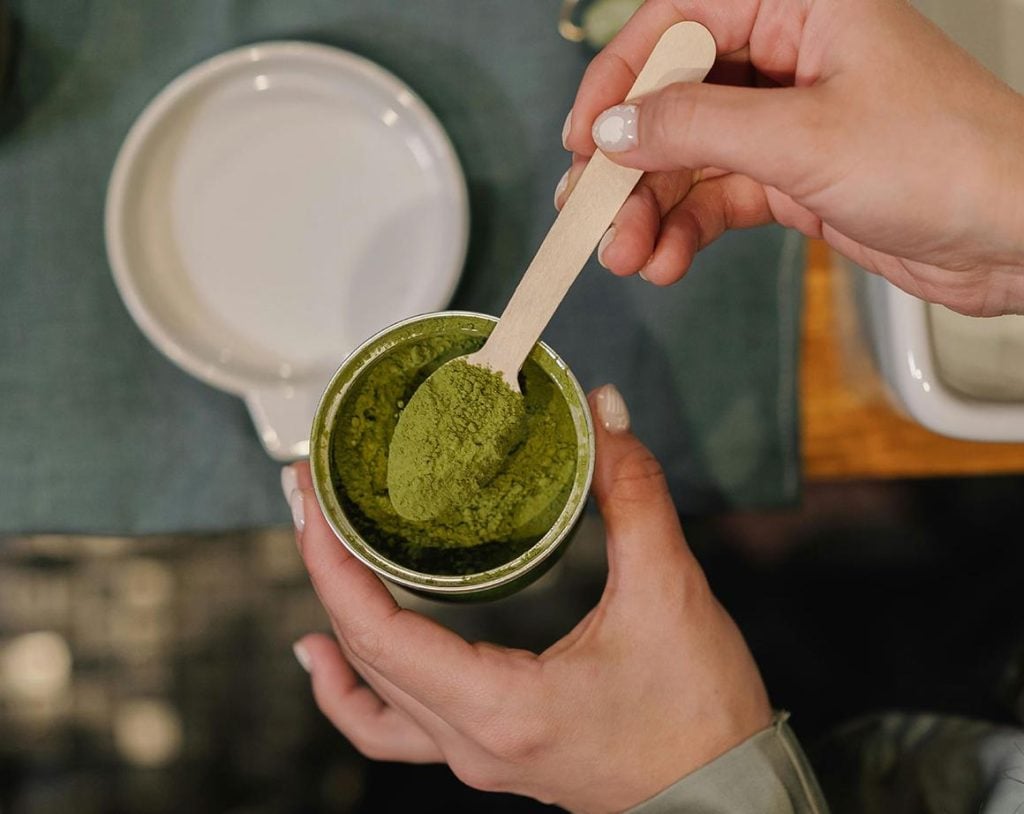
The study compared the nutritional quality and digestibility of proteins and amino acids in a total of four seafood products: two brown algae (Durvillaea and Macrocystis pyrifera), one green algae (Ulva), and a novel mycoprotein derived from cochayuyo (Durvillaea) through fungal fermentation.
For the comparison between algae, an in vitro gastrointestinal digestion model was conducted to estimate the protein quality and digestibility. The results favored the mycoprotein, which demonstrated a digestibility close to 100%, significantly higher than the untreated algae, which remained below 60%.
The hypothesis was that the enzymes produced by the fungi would break down the rigid cell walls of the algae, making the proteins more accessible, explains the research leader, Catalina Landeta.
Internationally, mycoprotein has positioned itself as an alternative to animal protein, although this concept is still relatively unknown in Chile. Unlike visible fungi (such as mushrooms), mycoprotein is associated with mycelium, a fine network that can be produced in fermenters similar to those used in industries like wine or beer.
In addition to nutritional factors, the team has also considered a key aspect for widespread adoption—taste. Some cultural barriers to seaweed consumption in the West relate to their sensory properties, so the research has progressed toward prototypes with more neutral and versatile characteristics for food formulations.
Regarding the environmental impact of the product, the researcher asserts that «we want to produce a complete, nutritious food without using fresh water or agricultural land; this type of mycoprotein may require up to five times less land and fifteen times less water than the production of animal proteins, which is crucial when discussing foods of the future.»
Extensive Work History
The University of Chile explained that this research falls within a broad and longstanding trajectory focused on the valorization of macroalgae.
«The research line led by academic Catalina Landeta has advanced toward the development of MycoSeaweed®, a patented food that has won various competitive grants to continue the product’s development,» they noted in a statement.
The potential of this formula’s development was recognized in 2025 with the first national place at the National Food Innovation Award, Transforma Alimentos (Corfo).
El Ciudadano
Relacionados



Chilean Families Confront ICE Detentions: Held incommunicado, Erased from Systems, and Treated as Criminals
Hace 6 días