Original article: Neovak-RONTs: Rusia y la primera vacuna personalizada de ARNm contra el melanoma: una esperanza contra el cáncer de piel
The Russian Ministry of Health has taken a historic step by authorizing the clinical use of «Neovak-RONTs,» a personalized messenger RNA (mRNA) therapeutic vaccine designed to combat melanoma, the most aggressive form of skin cancer. This innovative treatment, tailored to each patient, promises to train the immune system to recognize and attack tumor cells, thereby preventing the recurrence of the disease. However, health authorities and scientists urge caution, stating it is not a cure-all but the beginning of a new and promising path in precision oncology.
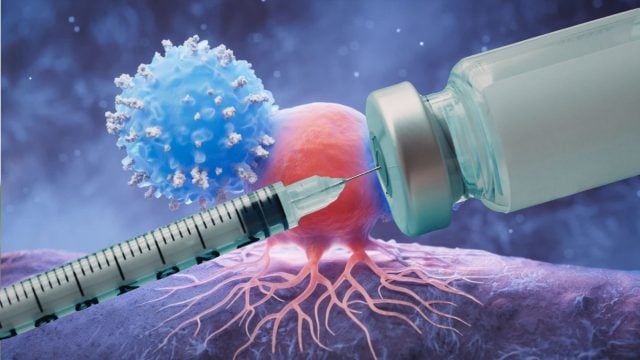
Moscow – In a statement issued this week, the Ministry of Health of the Russian Federation confirmed the authorization for the N.N. Blokhin National Medical Research Center of Oncology to use «Neovak-RONTs» . This is a personalized biotechnological drug, an mRNA vaccine aimed at neoantigens, specifically created from the genetic profile of each patient’s tumor .
What is «Neovak-RONTs» and Who is it For?
Unlike preventive vaccines, «Neovak-RONTs» is a therapeutic vaccine. Its aim is not to prevent cancer but to treat those who already have it. It is indicated for adults over 18 years with stage IIB, III, and IV cutaneous melanoma, under one crucial condition: all visible metastatic sites must have been surgically removed . The vaccine will be administered as adjuvant therapy, meaning after surgery, and in combination with PD-1 inhibitors, a modern immunotherapy that enhances the immune response .
The Technology: A Tailored Suit Against Tumors
The creation process of this vaccine is a feat of high-precision biological engineering. It begins with the genetic analysis of the tumor extracted from the patient. Scientists identify the unique mutations of those cancer cells, their «neoantigens,» which act as distinguishing signals .
To process the vast amounts of genetic data, research centers, including the Gamaleya Center, have developed software based on artificial intelligence capable of selecting the most effective mutations to «train» the immune system . Using this information, an mRNA molecule is synthesized that contains the instructions for producing those tumor markers. When injected, this vaccine «educates» immune cells to recognize and destroy any remaining cancer cells that express those same markers, aiming to prevent recurrence .
The Architects and the Cost of Hope
The development of «Neovak-RONTs» is the result of collaboration between three heavyweight institutions in Russian science:
- NМИЦ онкологии им. Н.Н. Блохина (Blokhin Cancer Research Center), which serves as the main producer.
- НИЦЭМ им. Н.Ф. Гамалеи (Gamaleya Center), globally known for its COVID-19 vaccine.
- НМИЦ радиологии (Radiological Research Center) .
According to Andrei Kaprin, director of the Radiological Research Center, the development cost for each personalized dose for the state is approximately 300,000 rubles (about $3,900). However, the authorities have assured that patients will receive the treatment completely free of charge within the public healthcare system .
Caution From Science
Despite the enthusiasm surrounding the announcement, authoritative voices call for calm. Health Minister Mikhail Murashko recently stated, «This technology is not a panacea but just one of the treatment methods we are developing and implementing» . Furthermore, he emphasized that scientists still need to thoroughly evaluate the long-term efficacy and safety of the drug, as its use is in the initial phase and it is not a mass application .
In the same vein, academic Ivan Stilidi, director of the Blokhin Center, confirmed that the inclusion of patients in the treatment protocol will be strictly decided by a medical council, and that the vaccine is set to begin administration throughout 2026 .
El Ciudadano
Relacionados
Health Ministry Urges Vaccination for Children Against Measles Following New Imported Case
Hace 7 días
Detection of Influenza A(H3N2) Subclade K Confirmed: 2025 Vaccine Remains Effective Against Severe Disease
Hace 2 meses
Argentina's Vaccine Coverage Drop Triggers Chile to Strengthen Measles Alerts and Call for Vaccination
Hace 2 meses
Health Catastrophe in Gaza: UNRWA Reports 'Record' Disease Levels Amid Health System Collapse
Hace 3 semanas