Original article: Nueva ley de Sociedades Anónimas Deportivas avanzó en el Senado: Comisión aprobó régimen sancionatorio con multas de hasta $55 millones
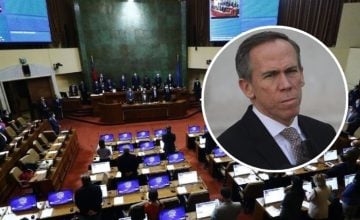
With the approval of fines and penalties for non-compliance with the new law’s requirements, the Senate Constitution Commission has moved towards the final phase of its work on the project that revises the legislation governing professional sports corporations.
The regulations specifically address issues of oversight, conflicts of interest, and encouraging fan participation in the ownership of sports corporations.
According to the Senate bulletin, during the last session, senators focused on reviewing the initiative, making progress in approving the norms related to the oversight, control, and monitoring of grassroots professional sports organizations.
In this regard, it was confirmed that the oversight, control, and monitoring of grassroots professional sports organizations that offer shares publicly will fall under the National Sports Institute, while the oversight, control, and monitoring of sports corporations and the new league will be managed by the Financial Market Commission (CMF).
Additionally, a regulation was approved that outlines the amount of penalties to be imposed for violations of the law and the criteria for determining their severity (as established in the law).
After the session, Senator Matías Walker (Democrats) explained that the approved fines can reach up to 55 million pesos: «If regulations concerning the prohibition of multiple ownership or the prohibition of player agents owning clubs are violated, exemplary penalties can be enforced: 55 million pesos in fines,» the legislator stated.
Finally, Walker announced, «We want to take an additional step and penalize as a crime the willful provision of false information regarding who are the true owners of the clubs, and who are the ultimate beneficial natural persons, which will be voted on in the next session in January.»
What remains? According to Walker, the next step is to advance with the voting on the transitional provisions that establish deadlines for organizations to adjust their statutes to the new law, after which the initiative will be dispatched for voting in the Senate Chamber.
The Citizen
Artículos Relacionados

Constitutional Amendment Establishing Right to the City Set for Senate Discussion and Vote
Hace 1 mes


Right-Wing Parties Strengthen Senate Control with Paulina Núñez and Iván Moreira at the Helm
Hace 2 semanas