Original article: “Nada que ver que nos caguís la onda”: joven encara a personas por bañarse donde está prohibido en Torres del Paine
A recent incident involving tourists who disregarded conservation regulations at the Torres del Paine National Park has sparked outrage on social media and reignited the debate over the impact of rising visitor numbers in protected wilderness areas.
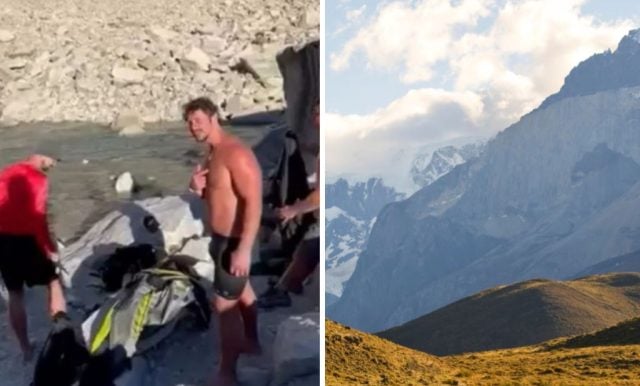
A group of individuals was caught swimming in a forbidden section of the park, an act that was recorded and reported by a staff member of CONAF, who confronted the offenders.
The incident, which was captured on video and shared across social media platforms, showcases the refusal of the Chilean-Australian swimmers to heed the warning.
The young woman who filmed the footage — identified as a park employee — approached the tourists to remind them of the regulations, only to be met with rejection.
«Nothing to see here, don’t ruin our fun»
The viral video depicts several individuals submerged in the water as the filmer points out, «It’s right there, visible to everyone, less than two meters from this situation, yet we see these people doing whatever they want, as if it were a beach, and the worst part is they get offended when called out.»
A recorded response from one of the offenders was defiant: «I find it ridiculous that you tell us not to have fun if we’re enjoying ourselves,» he asserted, claiming they had only been in the water for «30 seconds.»
However, he did admit they were aware they were breaking the rules.
«Yes, we know we shouldn’t, but we’re just having fun,» he explained.
CONAF Urges Respect for the Rules
When asked by Meganoticias, the Acting Regional Director of the National Forest Corporation (CONAF), Michael Arcos, addressed the incident and emphasized the park’s regulatory framework. Arcos clarified that the areas «are not designated as swimming spots» and that the prohibition aims to ensure the «preservation of ecosystems in their original condition.»
CONAF, which has managed the park since its inception in 1959, has maintained a permanent staff of rangers since 1975, whose mission is to protect the biodiversity and natural resources of the area. However, the exponential increase in visitors — surpassing 650,000 in 2024 — poses logistical and regulatory challenges.
The Booming Tourism and Its Risks in Torres del Paine
According to the Torres del Paine Hotel and Tourism Services Association, 65% of visitors in 2024 were international tourists, highlighting the park’s global appeal. This number is expected to rise in 2025, continuing an upward trend that began in the early 2000s when the park welcomed about 100,000 annual visitors.
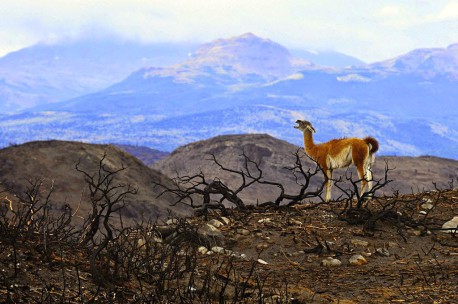
Declared a Biosphere Reserve by UNESCO in 1978, Torres del Paine spans 227,298 hectares between the Andes Mountains and the Patagonian steppe. Its ecological value is immeasurable, hosting 14 types of ecosystems, over 250 plant species, native wildlife such as guanacos, pumas, and foxes, and more than 100 bird species including the Andean condor and the mora eagle.
However, tourism success brings threats. In 2020, CONAF and UNESCO published a book titled «Biosphere Reserve of Torres del Paine: Challenges of a New Territory,» outlining risks associated with climate change, wildfires, deforestation, and critically, the human impact due to non-compliance with regulations in this park, which conserves 14 types of ecosystems and over 250 types of plants; a unique native fauna like the guanaco (an ancestral symbol of the park), pumas, and foxes, and more than 100 types of birds such as the Andean condor or the mora eagle.
The recorded incident in Torres del Paine transcends a mere warning. It is a symptom of a greater challenge: how to preserve a unique ecosystem amid increasing tourist pressure. While CONAF reiterates the importance of regulations, and the young woman in the video concludes with frustration: «The worst part is they get offended when called out,» the question arises whether collective awareness will prevail over the temptation to «have fun» at any cost.
Relacionados
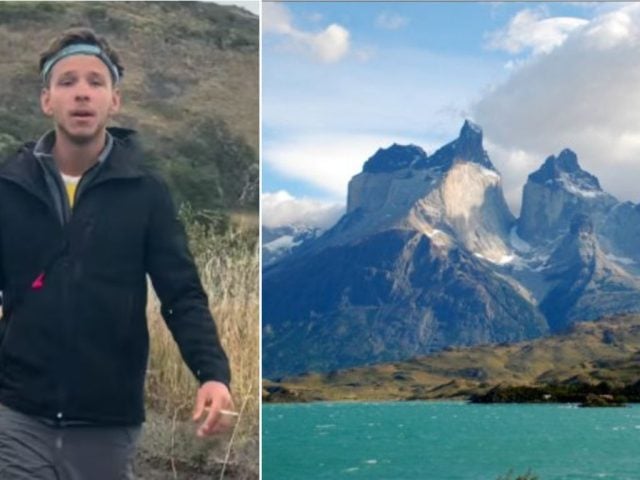
Torres del Paine Isn't a Trash Bin: 17 Israelis Lead Expulsions in Magallanes Parks, Reports Conaf
Hace 2 semanas
Tragedy Strikes Torres del Paine: 5 Tourists Dead After Being Caught in Violent Blizzard While Trekking
Hace 3 meses
Justice Takes Action: Israeli Tourist Fined and Banned from Chile for Fire Use in Torres del Paine
Hace 2 semanas

Israeli Tourist Charged for Starting a Fire at Torres del Paine to Donate $1 Million to Firefighters and Banned from Chile for One Year
Hace 3 semanas