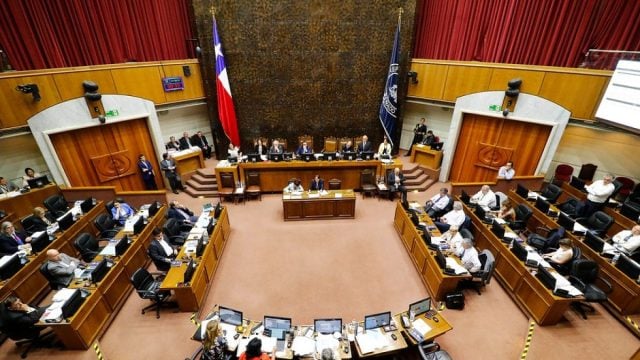
Original article: Más de 300 indicaciones buscan frenar proyecto de la derecha que abre la puerta a criminales de la dictadura
Senators from the PS, PPD, and Frente Amplio have submitted over 300 amendments aimed at halting a controversial bill (Bulletin No. 17.370-17) on alternative sentencing, which allows older inmates and terminally ill individuals to serve their sentences under house arrest, potentially benefiting criminals from the civic-military dictatorship.
The initiative, put forth by Senators Francisco Chahuán, Luz Ebensperger, Luciano Cruz-Coke, Alejandro Kusanovic, and Carlos Kuschel, narrowly passed its general vote in the Senate with just 23 votes in favor and 22 against. It could directly benefit inmates from Punta Peuco convicted of crimes against humanity and human rights violations.
If this bill progresses, it is estimated that over 300 individuals convicted of crimes against humanity, along with more than 300 criminals convicted of homicide, femicide, child sexual abuse, and parricide, could potentially have their sentences commuted.
In response to this scenario, Senators Diego Ibáñez and Beatríz Sánchez from the Frente Amplio submitted over 100 amendments «to prevent the application of benefits to those who have committed crimes against humanity.»>
Ibáñez warned that the approved text of the law would «commute the sentences of criminals and allow them to return home.»>
He criticized that the bill «does not set age restrictions» and includes a very broad provision concerning chronic illnesses, which could allow inmates with conditions like diabetes or hypertension to «eventually return home to serve their sentences.»>
The senator also highlighted the potential human rights implications of the right-wing proposal, stating it represents «an attack on the dignity of families still searching for their loved ones» and could constitute «a violation of international treaties.»>
Meanwhile, PS and PPD senators have introduced 236 amendments to counter a project that could lead to «covert impunity» by allowing convicted individuals to serve their sentences at home under specific health criteria. The implications of the law could extend well beyond cases related to human rights violations, paving the way for individuals convicted of serious crimes, including homicides and sexual assaults, to request to serve their sentences outside of prison.
«We want to inform the public that, as the PS and PPD blocs, we have presented over 200 amendments aimed at preventing this project from generating, as our party president (Senator Paulina Vodanovic) has stated, covert impunity,» indicated Senator Fidel Espinoza (PS), outlining the bloc’s position.
Espinoza made it clear that they would maintain total opposition during the legislation of the project presented by Chahuán, Ebensperger, Cruz-Coke, Kusanovic, and Kuschel.
«We will oppose it at every stage, starting with the Senate Human Rights Commission; we will unite to discard an initiative that could not only free human rights violators but also other types of criminals,» he remarked, as reported by La Tercera.
PPD Senator Ricardo Celis warned that if the controversial initiative progresses, it could allow «a rapist who has even murdered a woman, if they were diabetic, to be released at 70 years old. That is inadmissible, and we completely agree on that.»
Celis stressed that the discussion should also focus on presidential pardons, emphasizing: «We do not want an exit route; we do not want a bypass.»
«Both the presidential pardon and that project, which horrified the country, need to be thoroughly reviewed,» the legislator asserted.
In the meantime, Senator and PS President Paulina Vodanovic argued that this is not an ideological debate, but a debate on responsibility.
«We cannot open the door to benefits that would end up favoring those who have committed serious crimes. What is at stake here is trust in the justice system,» she asserted.
For the PPD and PS senators, alternative sentencing projects like the one proposed by the right cannot diminish the enforcement of penalties, especially against those convicted of human rights violations during the dictatorship.
Artículos Relacionados

UN Letter to Chile's Senate Critiques Controversial Bill Favoring Dictatorship Criminals
Hace 1 semana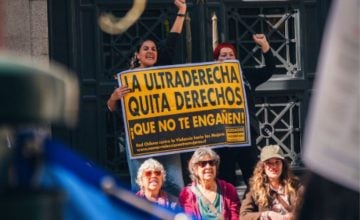
Chilean Women's Network Warns New Right-Wing Bill Could Benefit Criminals, Including Femicides and Sexual Offenders
Hace 2 semanasKrassnoff's Attorney Involved in Drafting Controversial Bill for Criminals of the Dictatorship
Hace 1 semana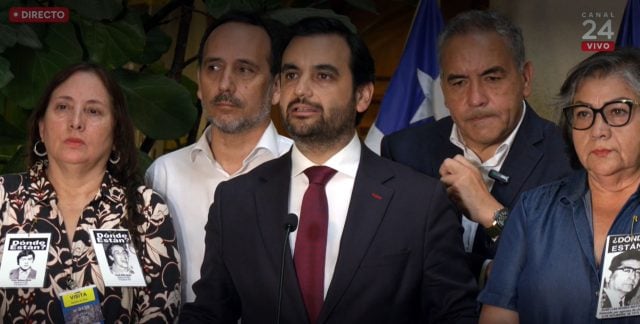
Justice Minister Warns: Proposed Bill Endangers Societal Safety by Allowing Early Release for Aging Criminals
Hace 2 semanas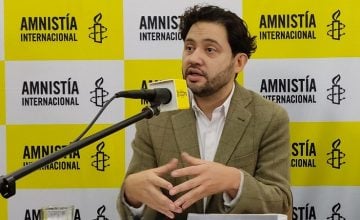
Amnesty International Raises Alarm Over Prison Release Law: "It Would Directly Benefit Some of History's Worst Criminals"
Hace 2 semanas
Progressive Legislators Challenge Right-Wing Over Sentence Commutation Law, Demanding Clarification on Costs and Financing
Hace 2 semanas