Original article: Investigadores buscan proteger a la Antártica de invasiones (vegetales)
Antarctica, often perceived as a vast expanse of ice, is actually one of the driest ecosystems on Earth. Most of its water is frozen and inaccessible, classifying the continent as a cold desert.
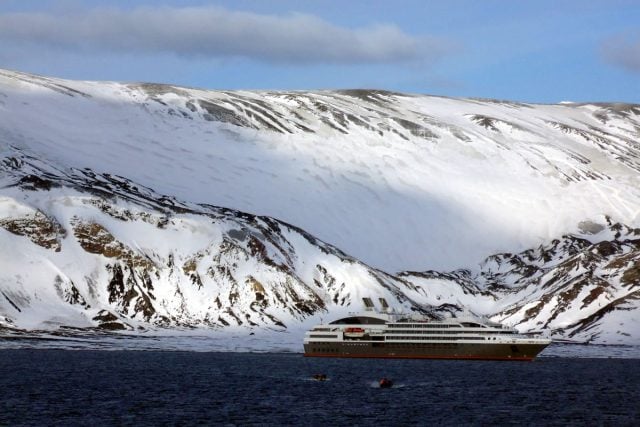
However, glacial retreat and the increase in liquid water are creating new ice-free areas where exotic species could potentially establish themselves. This is compounded by human activity; every summer, between 100,000 and 150,000 people, including tourists and researchers, unknowingly transport seeds or plant fragments into this fragile ecosystem.
In response to these challenges, the project titled “Risk of Plant Invasion in a Changing Antarctica (PRISMA)” has been initiated by the University of Talca, awarded in the 2025 call for the National Research and Development Agency (ANID) Research Rings Competition.
This three-year study aims to predict the arrival of invasive species to the White Continent using an interdisciplinary approach that merges biology, ecology, genetics, social sciences, econometrics, and advanced modeling.
Led by academic Ian Acuña Rodríguez from the University of Talca, a diverse team of researchers will work from the university’s Center for Integrative Ecology, conducting experiments in growth chambers that replicate temperature, light cycles, and humidity typical of Antarctica, utilizing actual Antarctic soils sourced from areas that are becoming ice-free.
The research will focus on ten plant species recognized globally as invasive, assessing their germination rates, physiological traits, genetics, microbial associations, and competitive abilities against native Antarctic flora.
With this data, a biological risk ranking will be developed to inform biosecurity protocols, as well as monitoring guidelines for scientific bases and tour operators.
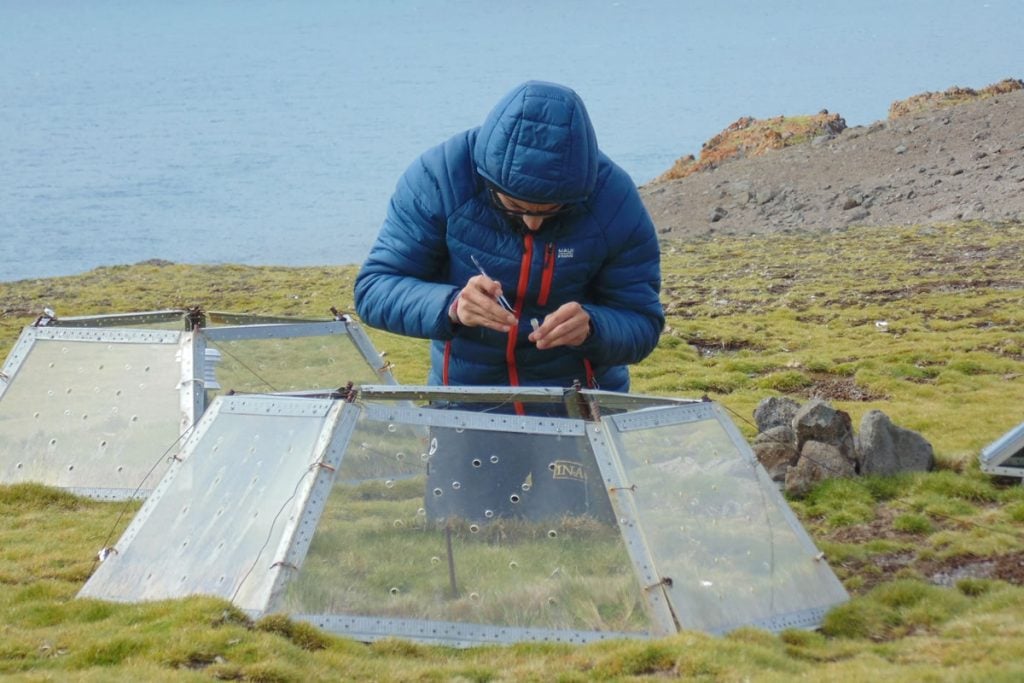
The socio-ecological component of the project includes surveys targeting tourists, researchers, and logistical staff to assess their risk perception and the effectiveness of current biosecurity protocols.
These findings will be incorporated into risk maps and a detailed register of anthropogenic pressure associated with logistical routes and areas most vulnerable to the introduction of exotic species.
The initiative also features an educational program titled “Maule-South Pole Connection,” designed to link rural schools with researchers working on-site in Antarctica.
“This is not just a biological problem; it is also a social and regulatory challenge. We aim for the knowledge we generate to help update protocols and strengthen Chile’s presence in the governance system associated with the Antarctic Treaty,” stated the project director.
Professor Acuña is a researcher in the Postdoctoral Research Program at UTalca, supported by the Faculty of Economics and Business (FEN), reinforcing the interdisciplinary nature of this initiative.
The team will also include key researchers Marco Molina Montenegro and Leidy García Pérez from the University of Talca, along with Cristian Torres Díaz from the University of Bío-Bío.
Completing the national group are associate researchers Gabriel Ballesteros Teuber from the University of Talca and Stella Moisan from the Catholic University of Maule.
El Ciudadano
Relacionados

National Food Innovation Award: Chilean Scientists Transform Seaweed into the Protein of the Future
Hace 1 mes
Catastrophe Due to Wildfires in Chile: The Industrial Forestry Model Under Scrutiny Again
Hace 1 mes