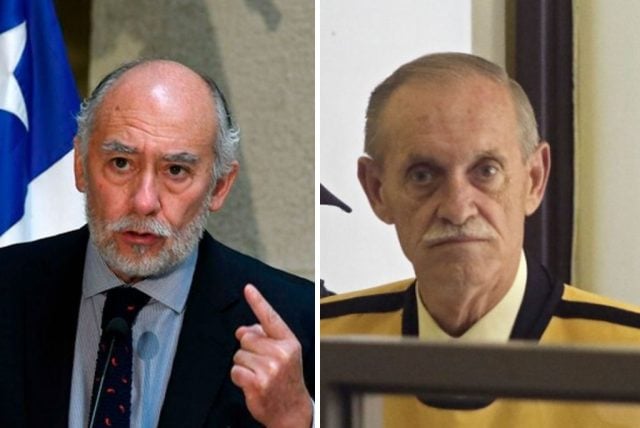
Original article: “No estoy disponible para que Krassnoff salga de la cárcel”: senador Flores ante proyecto de beneficios penales
As legislative activities resume, the Senate is set to discuss one of the most controversial initiatives of the session: a bill regulating the suspension and alternative fulfillment of prison sentences.
Presented by lawmakers from Chile Vamos and initially approved by the Human Rights Commission, the proposal has faced strong opposition from the Executive and ruling party senators. They warn that if passed in its current form, the bill could benefit convicted individuals for human rights violations and sexual crimes against minors.
The bill allows for sentence cancellation or total house arrest for offenders suffering from serious illnesses or those over 80 years of age. However, the absence of an explicit exclusion for individuals convicted of crimes against humanity and serious sexual offenses lies at the heart of the controversy.
This Tuesday, Interior Minister Álvaro Elizalde expressed his opposition, stating that the initiative «allows criminals who have committed serious crimes to potentially receive various benefits,» without distinguishing between cases of crimes against humanity or sexual assaults on minors.
«This sets a particularly grave precedent,» he affirmed, reiterating that President Gabriel Boric’s administration maintains the position that «those who commit crimes in Chile must face justice, and their place is behind bars.»
From the Ministry of Public Security, Minister Luis Cordero reminded that similar proposals have already been rejected by the Senate, as was the case in 2024.
He noted that La Moneda has a “very clear opinion on this matter,” considering there are “constitutional and legal reasons” to oppose the measure.
In statements reported by Diario U. de Chile, Secretary of State Cordero extended a call to await the decision from the Upper Chamber, making it clear that the regulation, by not establishing distinctions, «benefits a significant group of people beyond those convicted of crimes against humanity.»
Flores: «I Will Not Allow Krassnoff to Be Released from Prison»
The discussion transcends the legal realm and represents a symbol: the former Punta Peuco Prison, now called the Til-Til Penitentiary Center following President Gabriel Boric’s order to convert it into a standard facility. This is where several ex-agents of the dictatorship, convicted of crimes against humanity, are serving their sentences and could potentially benefit from the bill aimed at modifying the penalty compliance regime for the elderly, terminally ill, and persons with severe disabilities.
Democratic Christian (DC) senator Iván Flores emphasized this point, arguing that the benefits would not extend to just any ill or elderly inmate but would primarily impact a specific group held in that facility.
Regarding this, the parliamentarian declared firmly: «I will not allow individuals like Krassnoff to be released from prison.»
This reference directly points to Miguel Krassnoff Martchenko, a former member of the National Intelligence Directorate (DINA), who holds over 80 convictions for aggravated kidnapping, homicide, and other crimes against humanity committed during the military dictatorship. The total of his sentences amounts to nearly a thousand years in prison.
In the final days of 2025, extraordinary visiting minister Paola Plaza of the Santiago Court of Appeals issued a first-instance ruling, sentencing the former army brigadier to 15 years in prison for the aggravated kidnapping of Dignaldo Herminio Araneda Pizzini, a student at the University of Chile, who was detained on August 10, 1974, and remains missing to this day.
It is important to note that Krassnoff, known as «The Russian,» has never acknowledged his involvement in the crimes committed under DINA’s command. Despite the repeated convictions, he continues to be a living symbol of the systematic repression exercised during the dictatorship.
Relacionados
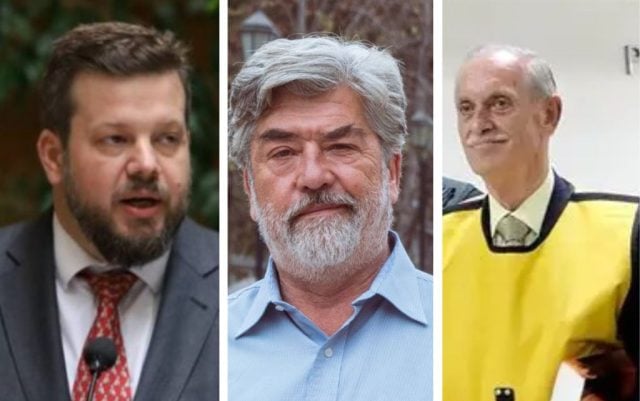

"Human Rights Criminals Like Krassnoff Don't Deserve Mercy": Jara Rejects Pardons in Archi Debate
Hace 3 meses
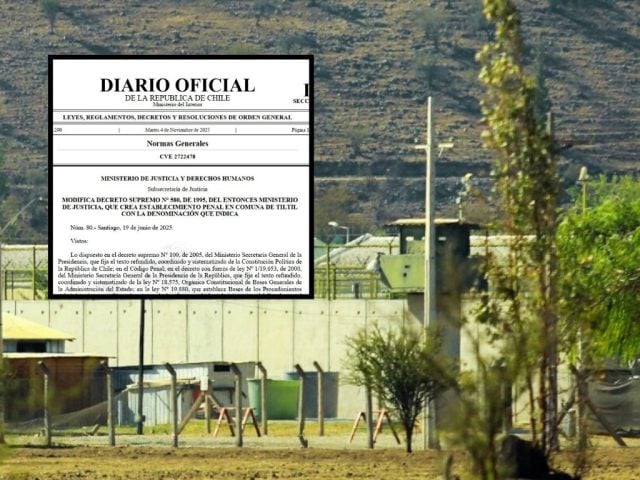
The Controversial Decree Ending Punta Peuco's 'VIP Status': Implications for Chile's Penal System
Hace 4 meses