Original article: Trump le echa más leña al fuego con Irán y el precio del petróleo se dispara
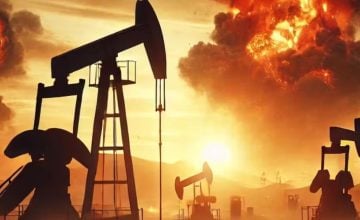
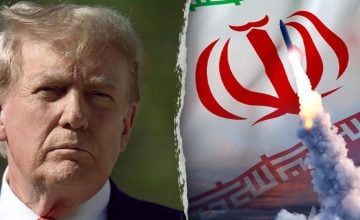
The price of oil surged sharply in international markets following a televised address by President of the United States, Donald Trump, which heightened tensions in the ongoing conflict with Iran. This was not a casual statement: the nationwide message raised doubts about a swift resolution to the conflict and caused renewed anxiety in the energy sector.
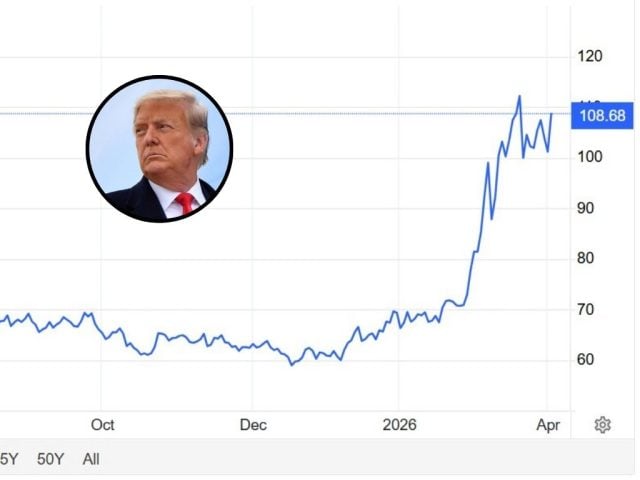
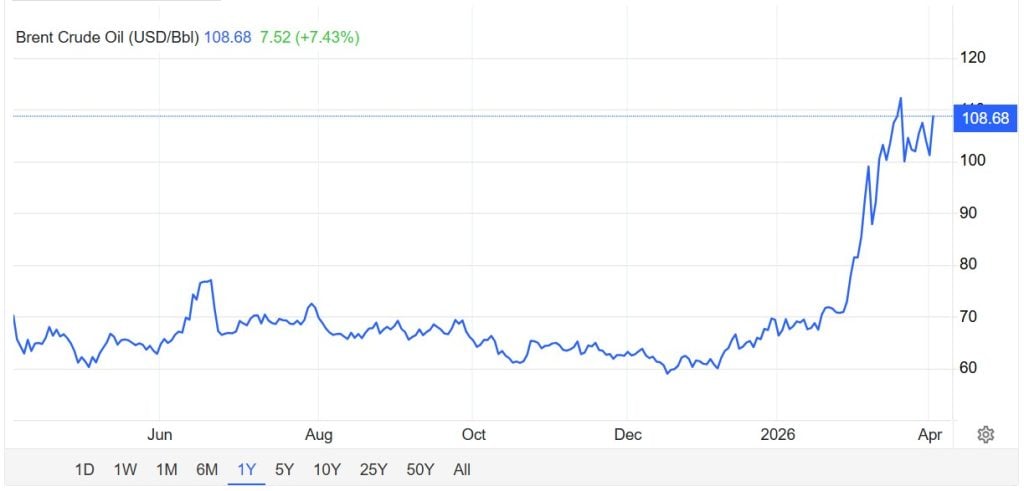
The impact was immediate. Brent crude jumped by more than 6%, while WTI rose over 5%, reversing two consecutive days of declines and climbing back above $100 per barrel. Currently, Brent is priced around $108, while WTI is at $105.19.
A Speech That Dims Expectations
During his address, Trump did not provide clear signals regarding the end of hostilities. On the contrary, he stated that the United States is close to achieving its strategic objectives in Iran and warned that military operations might intensify in the next two to three weeks. He declared that they would «send them back to the Stone Age,» emphasizing his hardline stance.
This rather tough tone, which lacked any indication of resolution, was interpreted by the market as a warning of possible escalation. Specifically, concerns heightened regarding potential damage to energy infrastructure in the region, a key factor directly influencing the price of oil.
«The market will now take into account an intensification of military campaigns,» explained Bloomberg analyst Vandana Hari, founder of Vanda Insights. «He did not offer a clear timeline to end the war, which the crude market had previously discounted,» she added.
The Hormuz Factor Resurfaces Tensions
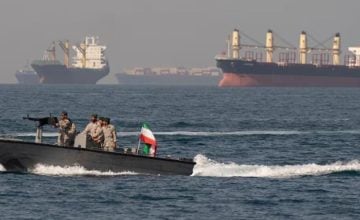
Compounding this situation is a structural element: the Strait of Hormuz, one of the most significant routes for global oil transport. Disruptions in this passage remain one of the primary concerns for the market.
In recent days, Trump has alternated between threats of attacks on Iranian infrastructure, including power plants, and calls for other nations to take control of the area. Meanwhile, Gulf nations have requested international organizations to authorize the use of force to ensure maritime transit.
In response, Iranian authorities have rejected these pressures and have insisted that the future of the strait will not be determined under external conditions.
As the conflict approaches its sixth week with no clear signs of de-escalation, the energy market remains on high alert. Each statement, especially when delivered via national broadcasts, continues to have direct effects on the price of oil, which, for now, is rhythmically responding to geopolitical tensions.
Artículos Relacionados
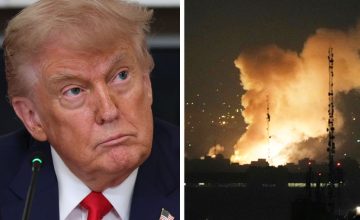
Tehran Rejects Talks with Washington and Accuses Them of Attacking Energy Infrastructure
Hace 1 semana
Tehran Takes Initiative: Responds to the U.S. with Conditions and Accuses of Time-Wasting Maneuver
Hace 7 días